Welded Wire Mesh Fence: Galvanized Panels & Rolls
Source welded wire mesh fence in panels or rolls, 50-200 mm openings, 2.0-6.0 mm wire, electro, hot-dip, or PVC coatings. Request a factory quote.
View SpecificationsWelded Wire Mesh Fence Specifications
A welded wire mesh fence is defined by six variables: mesh opening, wire diameter, panel or roll format, coating, steel grade, and standard. State all six in every RFQ so the delivered fence matches the posts and site you have planned.
Square openings from 50x50 mm to 200x200 mm, with rectangular and diamond patterns on request for special duties
2.0-6.0 mm low-carbon steel wire with weld shear strength controlled at every intersection
Panels 0.9-2.4 m high by 2.0-3.0 m wide; rolls 0.5-2.4 m wide in 10-50 m lengths
Electro-galvanized, hot-dip galvanized before or after welding, and PVC-coated welded wire mesh fence in RAL colors
Q195/Q235 low-carbon wire as standard for welded wire mesh fencing; 304/316 stainless on request
Zinc-coated steel wire per ASTM A641, welded wire mesh fencing per ASTM F2549, hot-dip coatings per ISO 1461
| Mesh opening | Wire diameter | Coating | Panel size | Best for and RFQ note | |
|---|---|---|---|---|---|
| 50x50 mm | 2.0-2.5 mm | Electro or hot-dip | 0.9-1.2 m high panels | Poultry and small livestock runs. Specify zinc coating weight in g/m2 for outdoor use. | |
| 75x75 mm | 2.5-3.0 mm | Hot-dip galvanized | 1.2-1.5 m high panels | Sheep and medium stock. Confirm opening tolerance so young animals cannot pass through. | |
| 100x100 mm | 3.0-4.0 mm | Hot-dip galvanized | 1.5-1.8 m high panels | Cattle, horses, and general perimeter duty. State weld shear strength with the RFQ. | |
| 150x150 mm | 4.0-5.0 mm | Hot-dip galvanized | 1.8-2.4 m high panels | Construction sites and heavy-duty fencing. Specify corner posts and fixing brackets. | |
| 200x200 mm | 5.0-6.0 mm | Hot-dip or PVC | 2.0-2.4 m high panels | High-security and road barriers. Confirm panel weight for crane or loader handling. |
Common Stock Sizes: Welded Wire Mesh Fence
Typical stock welded wire mesh fence panels and rolls. Custom openings, wire diameters, and heights are available at MOQ; confirm coating and tolerances at RFQ.
| Height | Panel width | Roll length | Common opening | Typical use | |
|---|---|---|---|---|---|
| 0.9 m | 2.5 m | 25 m | 50x50 or 75x75 mm | Poultry, garden, and small animal runs | |
| 1.2 m | 3.0 m | 25 m | 75x75 or 100x100 mm | Sheep and medium livestock | |
| 1.5 m | 3.0 m | 20 m | 100x100 mm | Cattle and general farm fencing | |
| 1.8 m | 2.5 m | Panels only | 100x100 or 150x150 mm | Construction sites and security | |
| 2.0 m | 2.5 m | Panels only | 150x150 mm | Temporary site hoardings | |
| 2.4 m | 2.5 m | Panels only | 150x150 or 200x200 mm | High-security perimeters |
Coating Options for Welded Wire Mesh Fence
Match the coating to exposure and budget. Coating choice decides how many years a welded wire mesh fence stays sound, so state the zinc weight or PVC thickness in the RFQ.
| Coating | Finish and thickness | Expected life | Best for | RFQ note | |
|---|---|---|---|---|---|
| Electro-galvanized | Bright thin zinc, 30-60 g/m2 | 3-5 years outdoors | Indoor, temporary, and low-budget fencing | Specify zinc weight; not suitable for coastal or acid environments | |
| Hot-dip galvanized | Dull grey zinc, 250-350 g/m2 | 15-25 years | Permanent farm, site, and security fencing | Choose hot-dip after welding so weld points are fully covered | |
| PVC coated | Zinc base plus 0.4-0.6 mm PVC | 15-25 years | Gardens, estates, and colored fencing | State RAL color and confirm UV-stabilized compound for sun-exposed sites |
Selecting Welded Wire Mesh Fence by Application
A practical starting point for specifying welded wire mesh fencing by duty. Confirm the animal, site, and security level before finalizing opening and wire.
| Application | Mesh opening | Wire diameter | Coating | Format | |
|---|---|---|---|---|---|
| Poultry and small animals | 50x50 mm | 2.0-2.5 mm | Electro or hot-dip | Rolls | |
| Sheep and medium stock | 75x75 mm | 2.5-3.0 mm | Hot-dip galvanized | Rolls or panels | |
| Cattle and horses | 100x100 mm | 3.0-4.0 mm | Hot-dip galvanized | Panels | |
| Construction sites | 150x150 mm | 4.0-5.0 mm | Hot-dip galvanized | Panels | |
| High security | 200x200 mm | 5.0-6.0 mm | Hot-dip or PVC | Panels |
Welded Wire Mesh Fence vs Chain Link vs Wood
Compare the three most common fence routes before you specify. A welded wire mesh fence wins on rigidity and maintenance-free life; chain link wins on cost and curves; wood wins only where privacy is the priority.
| Property | Welded wire mesh fence | Chain link fence | Wood fence | |
|---|---|---|---|---|
| Cost per meter | Moderate; panels need fewer posts | Lowest; rolls need posts every 2-3 m | High; materials plus skilled labor | |
| Service life | 15-25 years when hot-dip galvanized | 10-20 years with tension maintenance | 10-15 years with painting and repairs | |
| Rigidity | Rigid, holds shape under impact | Flexible, sags and bulges under load | Rigid but rots and warps | |
| Installation | Fast; panels bolt to posts | Medium; requires tensioning skill | Slow; needs skilled carpenters | |
| Maintenance | None when galvanized | Retensioning and rust spot repair | Painting, staining, board replacement | |
| Visibility | Full sight lines for security | Full sight lines | Blocked view | |
| Best for | Livestock, sites, security perimeters | Long boundaries, undulating ground | Privacy, gardens, aesthetics |
Post Spacing for Welded Wire Mesh Fence
Post spacing controls how much a welded wire mesh fence deflects under stock pressure and wind. Reduce spacing by 20-30% in exposed sites or where heavy stock push against the panels.
| Panel height | Wire diameter | Recommended post spacing | Typical duty | |
|---|---|---|---|---|
| 0.9-1.2 m | 2.0-2.5 mm | 2.5-3.0 m | Poultry, garden, and small animal runs | |
| 1.2-1.5 m | 2.5-3.0 mm | 2.5-3.0 m | Sheep and medium livestock | |
| 1.5-1.8 m | 3.0-4.0 mm | 2.5-3.0 m | Cattle and horses | |
| 1.8-2.4 m | 4.0-6.0 mm | 2.0-2.5 m | Construction sites and security; reduce spacing in high wind areas |
Welded Wire Mesh Fence Height Guide
Match welded wire mesh fence height to the animal or security level. Height works with opening size: never combine a low fence with a large opening where children or small stock are present.
| Purpose | Recommended height | Mesh opening | Top treatment | |
|---|---|---|---|---|
| Pets and poultry | 0.9-1.2 m | 50x50 mm | Plain top edge | |
| Sheep and goats | 1.2-1.5 m | 75x75 mm | Plain top or single top wire | |
| Cattle and horses | 1.5-1.8 m | 100x100 mm | Plain top edge | |
| Construction sites | 2.0-2.4 m | 150x150 mm | Anti-climb top or security topping | |
| High security | 2.4 m and above | 200x200 mm | Anti-climb top rail with concertina options |
Welded Mesh Fence Types We Source
Three welded wire mesh fence formats cover almost every site. Compare rigidity, installation speed, and coating before you specify.
Welded wire mesh fence panels
Rigid panels 0.9-2.4 m high with welded frame or self-supporting mesh, fixed to posts with brackets for fast, repeatable installation.
Welded mesh fence rolls
Flexible rolls tensioned between posts like netting, ideal for long farm boundaries and gentle terrain where panels are impractical.
Coated welded mesh fence
Hot-dip galvanized or PVC-coated routes that protect weld points and wire from corrosion, adding years of service in exposed sites.
How to Select the Right Welded Wire Mesh Fence
Start from the animal or site you must contain, then fix opening, wire, coating, format, and height. A complete welded wire mesh fence RFQ avoids re-quotes and wrong deliveries.
Panels or rolls?
Choose welded wire mesh fence panels for rigid, fast-erecting sections on flat ground; rolls suit long boundaries, curves, and budgets. Panels cost more per meter but need fewer posts.
Mesh opening size
Small animals need 50x50 mm openings; cattle and horses are safely held by 100x100 mm. Never exceed 150x150 mm where children or small stock are present.
Wire diameter
Thicker wire resists impact and sagging but raises weight and price. Use 2.0-2.5 mm for light runs and 4.0-6.0 mm for construction and security duty.
Electro or hot-dip galvanized?
Electro-galvanized welded mesh fence suits indoor and temporary use. Hot-dip galvanizing after welding covers every weld point and delivers 15-25 years outdoors.
PVC coated or bare?
PVC coating adds color, UV protection, and a smooth finish for gardens and estates. Bare hot-dip galvanized wire is the economical choice for farm and site duty.
Panel height and post spacing
Match fence height to the animal or security level, and post spacing to the wire and wind load. Share the post centers with us and we match panel widths to them.
Weld shear strength
Welds must hold under impact and tension. State the weld shear strength requirement so the welded wire mesh fence stays intact where stock pushes against it.
Standards and certification
Confirm the ASTM A641 zinc coating class and ASTM F2549 welding requirements with the supplier, and request material certificates with the order.
Roll length and panel count
Calculate fence length first, then convert to roll lengths or panel counts. Order 3-5% extra for joins, gates, and cutting waste.
Sample and batch consistency
Confirm opening, wire diameter, coating, and weld quality on a sample, then lock inspection standards before mass production so bulk welded mesh fence matches the approved sample.
Post spacing and panel width
Plan posts 2.0-3.0 m apart for most welded wire mesh fence duty, tighter for tall panels and windy sites. Order panel widths to match the post centers so the fence installs without cutting welds.
Gates and corner hardware
Specify walk gates (1.0-1.2 m), vehicle gates (3-4 m), braced corner posts, and tensioners with the fence order, so the welded mesh fence stays square and gates keep their alignment.
Why Buyers Choose Welded Wire Mesh Fence
Welded wire mesh fencing remains the default barrier for farms, sites, and perimeters for honest reasons: rigidity, longevity, and low lifetime cost.
Rigid, dimensionally stable panels
Every wire intersection is welded, so a welded wire mesh fence keeps its shape under impact, wind, and animal pressure without sagging.
Decades of service when galvanized
Hot-dip galvanized welded wire mesh fence with proper zinc weight lasts 15-25 years outdoors with no painting and minimal maintenance.
Fast, low-skill installation
Panels bolt to posts in minutes and rolls tension quickly, cutting labor cost against masonry, timber, or chain-link alternatives.
Cost-effective security
Rigid welded mesh fence panels are hard to climb and cut, delivering high-security performance at a fraction of solid wall cost.
Cut and finished to order
Panels, rolls, gates, and special heights are manufactured to drawing, so the welded wire mesh fence fits the site without field cutting.
Verified, traceable supply
Every welded mesh fence lot ships with material certificates, zinc coating reports, and labels stating opening, wire, and coating.
Where Welded Wire Mesh Fencing Is Used
Choose a welded wire mesh fence when you need a rigid, see-through, low-maintenance barrier that installs fast and stays square for decades.
Livestock and agriculture
A welded wire mesh fence with 75-100 mm openings contains cattle, horses, and sheep while staying visible and easy to maintain.
Construction site fencing
Heavy 150 mm opening welded wire mesh fence panels form temporary hoardings and fall-protection barriers that survive site abuse.
Security perimeters
Rigid welded mesh fence panels around warehouses, compounds, and utilities deter climbing while allowing full sight lines for patrols and cameras.
Garden and estate fencing
PVC-coated welded wire mesh fence in green or black blends into landscaping and defines boundaries without blocking views.
Sports and playground enclosures
Smooth, rigid welded wire mesh fencing contains balls and children safely around pitches, courts, and playgrounds.
Road and railway barriers
High-strength welded mesh fence panels keep pedestrians and livestock clear of highways, rail corridors, and restricted zones.
Welded Wire Mesh Fence Buying Mistakes to Avoid
Eight errors that cause early rust, stock escapes, or specification disputes. Every one is avoidable at the RFQ stage.
Choosing electro galvanizing for outdoor duty
Electro-galvanized welded wire mesh fence rusts within a few years outdoors. Specify hot-dip galvanizing with 250-350 g/m2 zinc for permanent fencing.
Buying by wire gauge alone
Gauge numbers vary between wire systems and can hide thin wire. State wire diameter in millimeters and weld shear strength in the RFQ.
Oversized openings for small livestock
100x100 mm openings let lambs, kids, and poultry escape or get stuck. Use 50x50 or 75x75 mm where small animals are present.
Forgetting weld point protection
Welds are the first places rust starts unless covered. Hot-dip galvanizing after welding protects every intersection; electro coating leaves weld points vulnerable.
Ignoring zinc coating weight
Zinc weight decides service life. A welded wire mesh fence with thin zinc fails years early. Specify g/m2 and the ASTM A641 class, not just 'galvanized'.
Mismatching panel widths to post spacing
Panels ordered wider than the post centers cannot be fitted without cutting welds. Share post spacing before confirming panel dimensions.
Choosing panels where rolls fit better
Rigid panels on undulating terrain leave gaps under the fence. Use tensioned rolls or order stepped panel heights for sloped ground.
Skipping gate and corner hardware
Gates, corner posts, and braces take the highest loads in any fence. Plan them into the order so the welded mesh fence stays tensioned and square.
Ignoring top treatment
A 1.2-1.5 m welded wire mesh fence stops most livestock but can be jumped or climbed in high-pressure situations. Add a top wire, extra height, or anti-climb topping where jumping or climbing is a real risk.
Underestimating wind load
Tall welded mesh fence panels catch wind like a sail. On exposed sites, tight post spacing and deeper-set posts are required, or the fence can be pulled over in the first storm season.
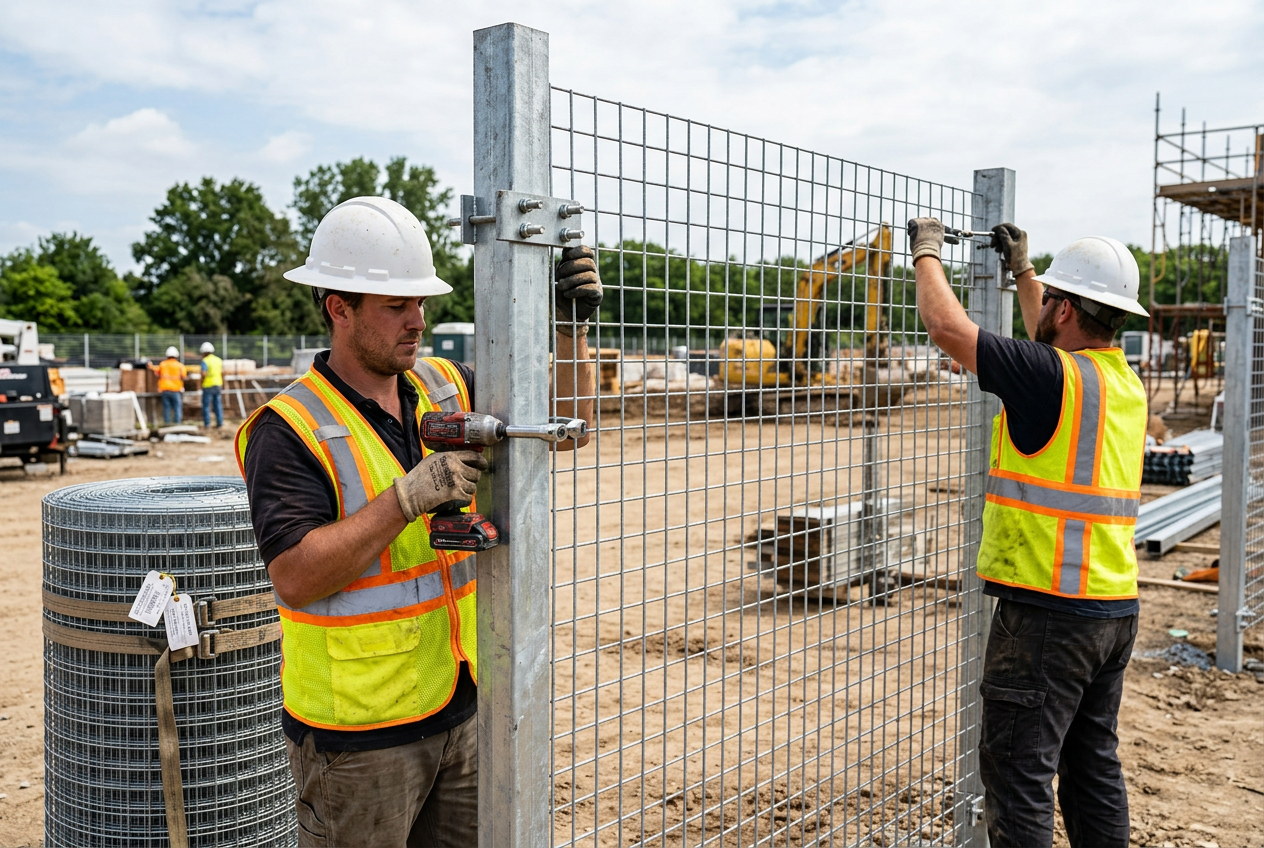
Set posts, fix panels or tension rolls, and protect weld points to get the full service life from a welded wire mesh fence.
Working with Welded Wire Mesh Fence
Set and align posts
Set end, corner, and line posts at the planned centers, plumb them, and cure the concrete before fixing any welded mesh fence panels.
Fix panels or tension rolls
Bolt panels to posts with brackets at top, middle, and bottom. For rolls, tension evenly along the run and tie at every post.
Join sections and fit gates
Align panel edges on the post center line and fix gates with braced gate posts, so the welded wire mesh fence stays square under load.
Check welds and finish
Inspect every intersection after installation and touch up any scratched coating with zinc-rich paint to stop rust before it starts.
Welded Wire Mesh Fence Packing for Export
Packing keeps panels flat, rolls tight, and coatings undamaged through transit and receiving inspection.
Panels edge-protected
Welded wire mesh fence panels are stacked flat with corner and edge protectors, strapped to pallets, and wrapped against abrasion.
Rolls compressed and wrapped
Rolls are tightly compressed, tied, and wrapped in waterproof paper with edge guards so openings and coating survive handling.
Palletized for container loading
Pallet loads follow the container plan with steel strapping and corner guards, so panels arrive flat and rolls arrive round.
Label by specification
Every package carries mesh opening, wire diameter, coating, dimensions, quantity, and production lot.
Certificates on request
Material certificates and zinc coating reports accompany every welded mesh fence shipment when ordered; SGS, BV, or TUV inspection is available.
Welded Wire Mesh Fence in Service
Use scenarios show how opening, wire, and coating change by duty; they are not customer claims.
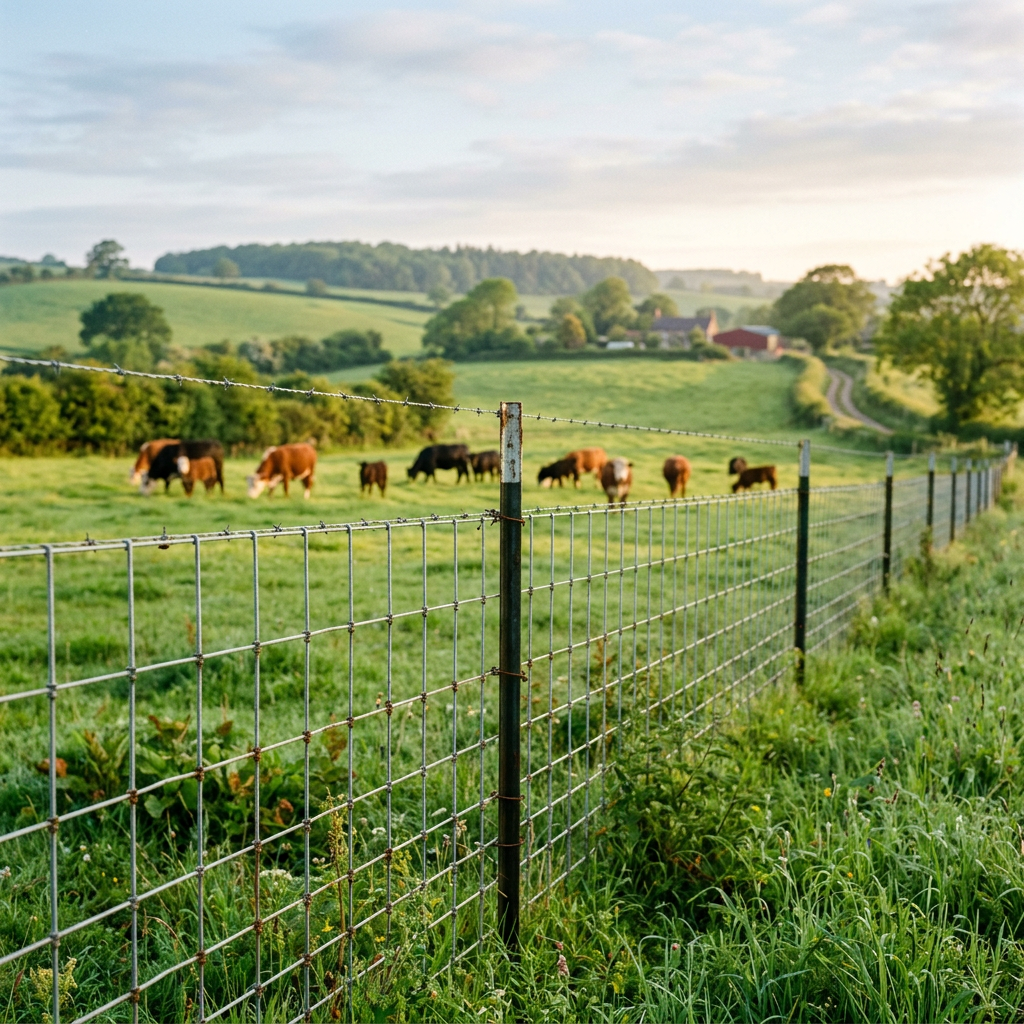
Cattle farm boundary
Hot-dip galvanized welded wire mesh fence panels at 100x100 mm, 4.0 mm wire, 1.5 m high, braced at corners and gates, holding cattle with zero sag after six seasons.
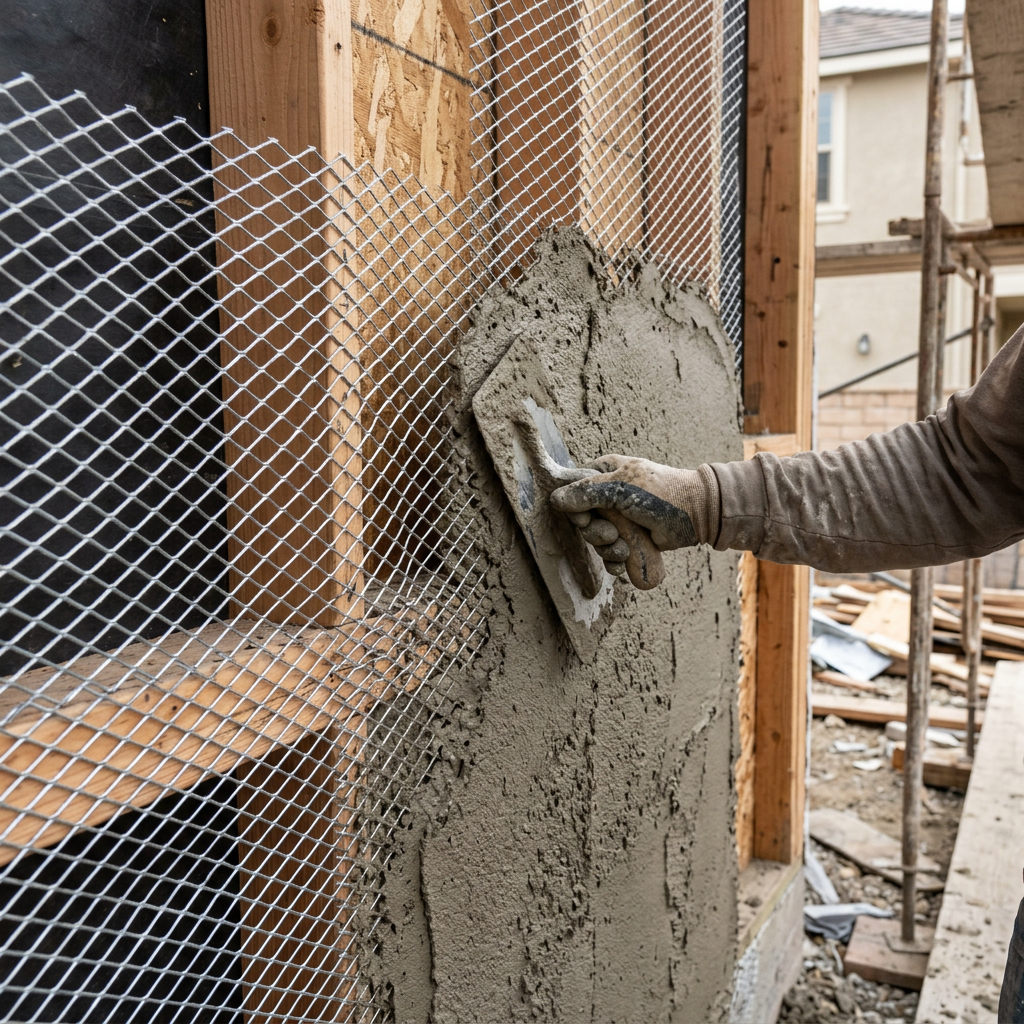
Construction site hoarding
150x150 mm welded mesh fence panels at 2.0 m high, bolted to concrete blocks, forming a fall-protection and anti-climb barrier around an active building site.
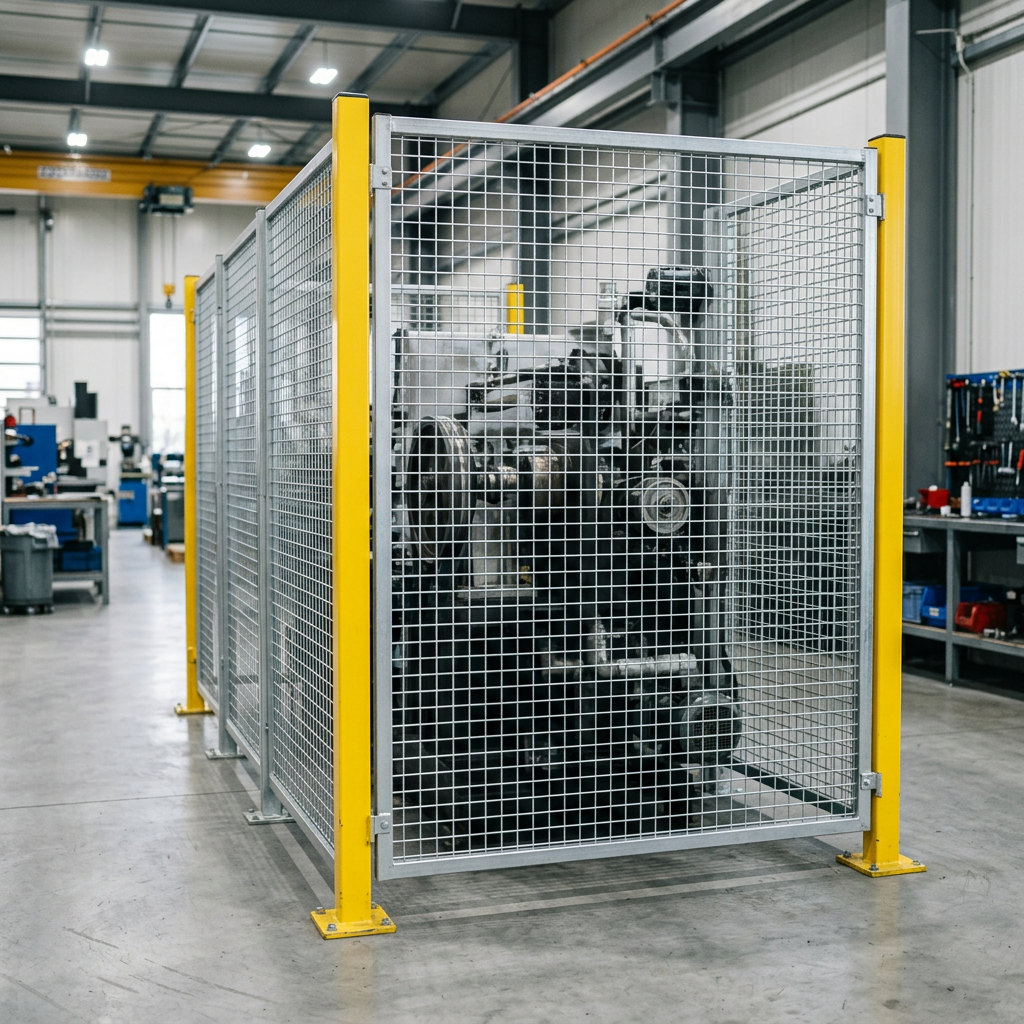
Warehouse security perimeter
200x200 mm heavy welded mesh fence panels with 6.0 mm wire and anti-climb top edge around a distribution yard, keeping full visibility for CCTV patrols.

Sports ground enclosure
PVC-coated welded wire mesh fence in green at 50x50 mm around a school pitch, protecting children and containing balls without blocking the view.
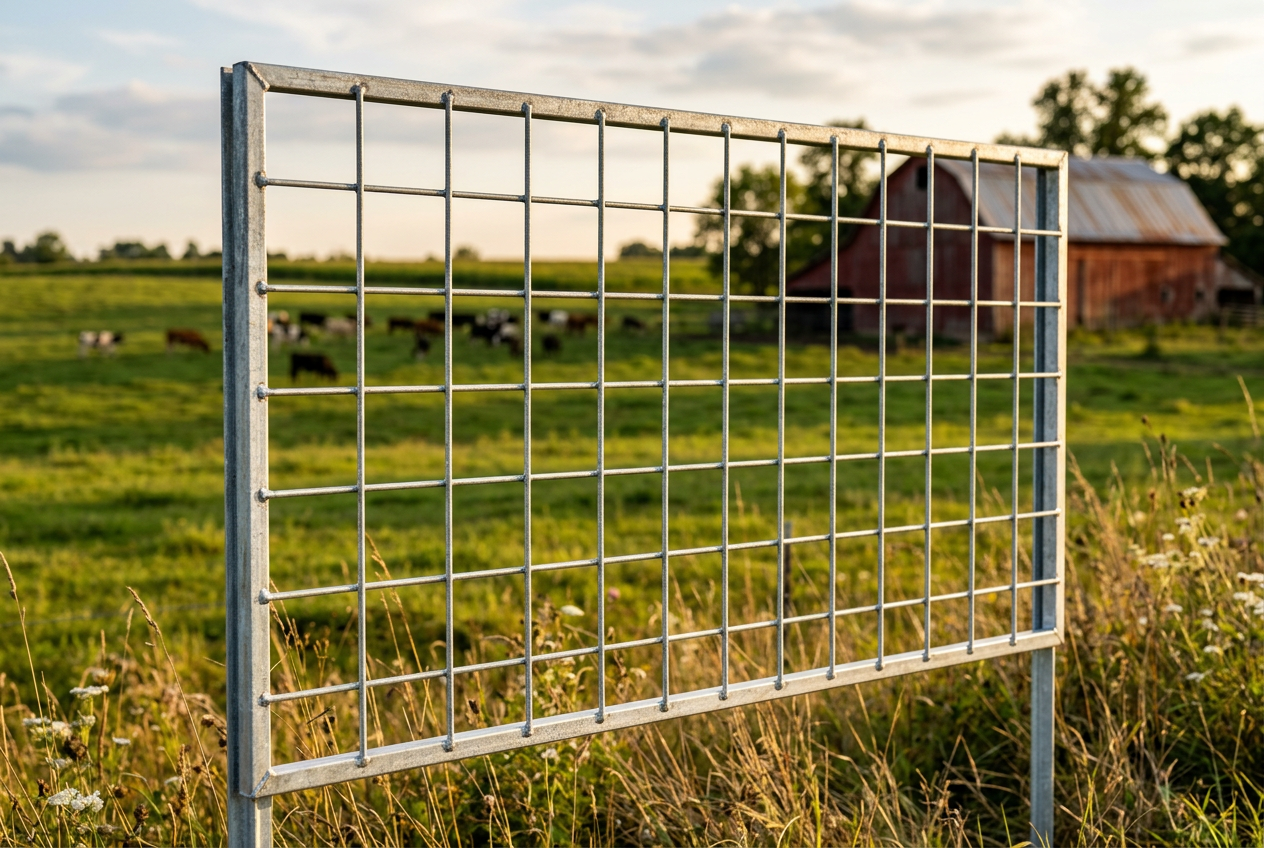
Deer and wildlife protection
A 2.0 m high welded wire mesh fence with 150x150 mm openings around an orchard, with a visible top edge and taut panels, keeping deer out without blocking light or air.
Temporary event fencing
Freestanding welded mesh fence panels at 1.8 m with quick-couple feet, deployed around a festival site in one day and removed without foundations.
Welded Mesh Fence Sourcing Resources
Compare welded wire mesh fence products, related fencing, and standards. Confirm the coating class and standard edition before ordering.
Last updated: 2026-08-07
Related pages
Reference standards
Welded Wire Mesh Fence FAQ
Common procurement questions about openings, coatings, formats, and ordering welded wire mesh fencing.
Still have questions about welded wire mesh fence?
Send your fence length, opening, wire diameter, coating, height, and site photos. Our sourcing team replies with a specification-led review and matched options.
Request a QuoteRequest Welded Wire Mesh Fence Pricing
Send fence length, mesh opening, wire diameter, coating, panel or roll format, height, quantity, and destination for a specification-led sourcing review. Our team replies with matched welded wire mesh fence options and a factory quote.
Your details stay private. We reply with a matched factory quote — no spam.