Gopher Wire Mesh: Galvanized Underground Rodent Barrier Supplier
Source gopher wire mesh in hot-dip galvanized, PVC-coated, and stainless steel welded mesh for underground gopher, mole, and vole exclusion. Compare openings, gauges, and roll sizes, then request a factory quote.
View SpecificationsGopher Wire Mesh Specifications
Gopher wire mesh is defined by five variables: welded square opening, wire diameter, coating route, roll dimensions, and standard. State all five in millimeters in every RFQ to avoid gauge-table ambiguity and re-quotes.
Resistance-welded square mesh with rigid nodes; the standard underground barrier that keeps its shape under soil load
Square apertures 1/4, 1/2, and 3/4 inch measured center-to-center; 1/2 inch and smaller block gophers
0.7-1.2 mm (about 20-19 gauge) chosen to resist gnawing and soil pressure
Electro galvanized, hot-dip galvanized, PVC-coated, or 304/316 stainless gopher wire mesh
Widths 0.6-1.5 m (common 0.9 m, 1 m, and 48 in) in 15 m, 25 m, and 30 m lengths
Galvanized wire per ASTM A641; coating verification per ASTM A90; stainless wire per ASTM A580
Select one or more specifications. Your choices will be included in the quote request.
0 specs selected
| Material route | Typical coating | Expected service | Typical use and RFQ note | |
|---|---|---|---|---|
| Electro galvanized | 8-20 g/m2 bright zinc | Indoor and short outdoor duty; about 1-3 years outside | Economical gopher wire for temporary beds and dry interior root guards. Lowest cost; state the ASTM A641 class in the RFQ. | |
| Hot-dip galvanized | 40-80+ g/m2 zinc on the welded mesh | Long outdoor and buried service; 5-15 years by soil and climate | The default buried gopher wire mesh for lawns, beds, and tree roots. Specify galvanized-after-welding so every weld node is sealed. | |
| PVC-coated over galvanized core | Zinc core plus 0.4-0.8 mm PVC jacket | Extended buried life with color; 10-20 years | Green or black gopher wire blends into gardens and softens soil-contact corrosion. Name the core coating class and jacket thickness. | |
| 304 / 316 stainless steel | Bare corrosion-resistant alloy wire | Decades underground; no coating to wear away | Premium gopher wire for wet, acidic, or coastal soil where long life pays. Highest cost, longest life, zero rust stains. |
Common Stock Sizes: Gopher Wire Mesh Rolls
Typical stock specifications of gopher wire mesh in electro and hot-dip finishes. Custom widths, lengths, and wire diameters are available at MOQ; confirm wire tolerance and coating mass at RFQ.
| Opening (square) | Wire diameter (mm) | Gauge (approx.) | Roll size | Common finish | |
|---|---|---|---|---|---|
| 1/4 in (6 mm) | 0.6-0.9 | 23-20 ga | 0.9-1 m x 15/25 m | Hot-dip galvanized | |
| 1/2 in (13 mm) | 0.7-1.0 | 22-19 ga | 1-1.2 m x 25/30 m | Hot-dip or PVC-coated | |
| 3/4 in (19 mm) | 0.8-1.1 | 21-19 ga | 1-1.5 m x 25 m | Hot-dip galvanized |
Choosing Gopher Wire Mesh by Target and Duty
Match the opening and wire diameter to the burrower and the planting. Gophers test every edge, so 1/2 inch openings on heavy wire beat light netting for any underground duty.
| Target or duty | Recommended opening | Recommended wire | Why | |
|---|---|---|---|---|
| Pocket gophers | 1/2 in (13 mm) maximum | 0.9-1.0 mm | Adult gophers cannot pass 1/2 inch; weld nodes resist gnawing | |
| Moles and voles | 1/2 in (13 mm) | 0.7-0.9 mm | Same barrier works for smaller burrowers; 1/4 inch adds margin | |
| Tree and shrub root guards | 1/2 in (13 mm) | 0.7-0.9 mm | Roots grow through while tunneling stops at the mesh | |
| Lawn and turf underlay | 3/4 in (19 mm) maximum | 0.8-1.0 mm | Larger openings drain and let roots move; heavy wire resists soil load | |
| Raised beds and planters | 1/2 in (13 mm) | 0.7-1.0 mm | Buried floor liner stops gophers entering from below |
Gopher Wire Mesh Roll Weight Reference
Theoretical weight for freight and handling estimates. Actual weight varies by coating mass and wire tolerance; confirm exact weight on the packing list.
| Opening | Wire diameter (mm) | Approx. weight (kg/m2) | 1 m x 25 m roll (kg) | |
|---|---|---|---|---|
| 1/4 in (6 mm) | 0.7 | 0.85 | 21.3 | |
| 1/2 in (13 mm) | 0.8 | 0.90 | 22.5 | |
| 1/2 in (13 mm) | 1.0 | 1.40 | 35.0 | |
| 3/4 in (19 mm) | 1.0 | 1.30 | 32.5 |
Gopher Wire Mesh Types We Source
One rigid welded construction, three corrosion-protection routes. Compare coating life against your soil before you specify gopher wire mesh.
Galvanized gopher wire mesh
Electro or hot-dip zinc on low-carbon steel wire; the standard buried barrier for lawns, beds, and root zones.
PVC-coated gopher wire mesh
Green or black PVC jacket over a galvanized core; extra life and color for gardens, nurseries, and coastal soil.
Stainless steel gopher wire mesh
304 or 316 alloy welded mesh for wet, acidic, or long-life underground duty with no coating to fail.
How to Select the Right Gopher Wire Mesh
Start from the burrower and the planting, then fix opening, wire diameter, coating, roll size, and verification. A complete gopher wire RFQ avoids assumptions and re-quotes.
By target burrower
Gophers need 1/2 inch openings or smaller on heavy wire; moles and voles are stopped by the same mesh, and 1/4 inch adds a margin for young animals.
By opening size
Smaller openings stop smaller burrowers but slow drainage and root growth. Choose the largest aperture that still blocks the target; 1/2 inch is the proven default.
By wire diameter
Light wire saves cost but bends under soil load. Underground duty demands 19-20 gauge (0.9-1.0 mm) so the mesh stays rigid and resists gnawing.
Electro or hot-dip?
Electro galvanized suits short-term and dry use. Hot-dip gopher wire mesh carries far more zinc and is the standard for buried service.
When to choose PVC or stainless
PVC adds a jacket over the zinc core for wet gardens; stainless suits acidic, coastal, or permanent underground duty.
Bury deep enough
Place the mesh at least 60 cm (24 in) deep so it sits below the main feeding tunnels, and bend an extra 15-20 cm outward at 90 degrees to stop digging underneath.
Roll width and length
Match roll width to the bed or trench width to minimize seams. Common widths are 0.9 m, 1 m, and 48 in.
State millimeters, not gauge
Gauge tables vary by standard and country. State opening and wire diameter in millimeters in every gopher wire RFQ.
Welded mesh or hexagonal netting?
Welded square mesh is the rigid standard for buried gopher barriers. Hexagonal netting is lighter and cheaper for short-term or above-ground use; step up to welded mesh for permanent exclusion.
Why Buyers Choose Gopher Wire Mesh
Gopher wire mesh is the standard underground barrier for lawns, beds, and roots for honest reasons: it is permanent, root-friendly, and proven in service.
Permanent, humane exclusion
A buried gopher wire barrier stops gophers, moles, and voles without poisons or traps, and protects roots for the life of the planting.
Root-friendly openings
Square openings let water drain and roots grow through while the welded nodes block tunneling from below.
Rigid, gnaw-resistant mesh
Resistance-welded nodes keep the mesh flat and intact under soil pressure and repeated gnawing.
Three corrosion routes
Hot-dip galvanized, PVC-coated, and stainless options let you buy the buried service life the site demands.
Ready stock, fast lead time
Standard openings and gauges ship from stock programs in days, keeping planting and renovation schedules on track.
Verified, traceable supply
Rolls carry labels with opening, wire diameter, coating class, and quantity; coating mass is verifiable per ASTM A90.
Where Gopher Wire Mesh Is Used
Choose gopher wire mesh when you need a permanent, buried barrier that protects roots while letting water and air pass through.
Lawn and turf protection
Bury gopher wire mesh under new or resodded lawns so pocket gophers cannot tunnel up into the root zone or push up mounds.
Garden beds and raised beds
A floor liner of gopher wire under raised beds and vegetable plots stops gophers and voles entering from below without restricting drainage.
Tree and shrub root guards
Vertical gopher wire collars around newly planted trees and shrubs protect roots from below while allowing them to develop.
Vineyards and orchards
Continuous buried runs of gopher wire protect vine and orchard rows from gopher feeding damage over the life of the planting.
Planter and root-guard baskets
Mesh formed into baskets or liners guards individual planters, containers, and nursery stock from underground feeding.
Golf courses and landscaped sites
Specification-led gopher mesh under tees, greens, and ornamental beds reduces tunneling damage and rework for course managers.
Gopher Wire Mesh Buying Mistakes to Avoid
Seven errors that let gophers through, shorten buried service life, or trigger disputes. Every one is avoidable at the RFQ stage.
Choosing openings too large
Openings over 3/4 inch let young gophers through. Use 1/2 inch or smaller for reliable exclusion.
Buying wire that is too light
Light 23-22 gauge mesh bends under soil load and teeth. Buried duty needs 19-20 gauge welded wire.
Using electro galvanized underground
Thin bright zinc fails within a couple of seasons in soil. Buried barriers need hot-dip galvanized gopher wire mesh.
Burying too shallow
Mesh laid just under the surface sits in the feeding zone. Bury at least 60 cm (24 in) deep, below the main tunnels.
Skipping the L-shape bend
A straight buried edge can be dug around. Bend an extra 15-20 cm of mesh outward at 90 degrees so gophers cannot tunnel underneath.
Mixing gauge standards in the RFQ
BWG, SWG, and AWG tables differ. State wire diameter and opening in millimeters only, and the dispute disappears.
Ignoring soil corrosivity
Acidic or coastal soil shortens zinc life. For permanent plantings in aggressive soil, specify stainless steel or PVC-coated gopher wire.
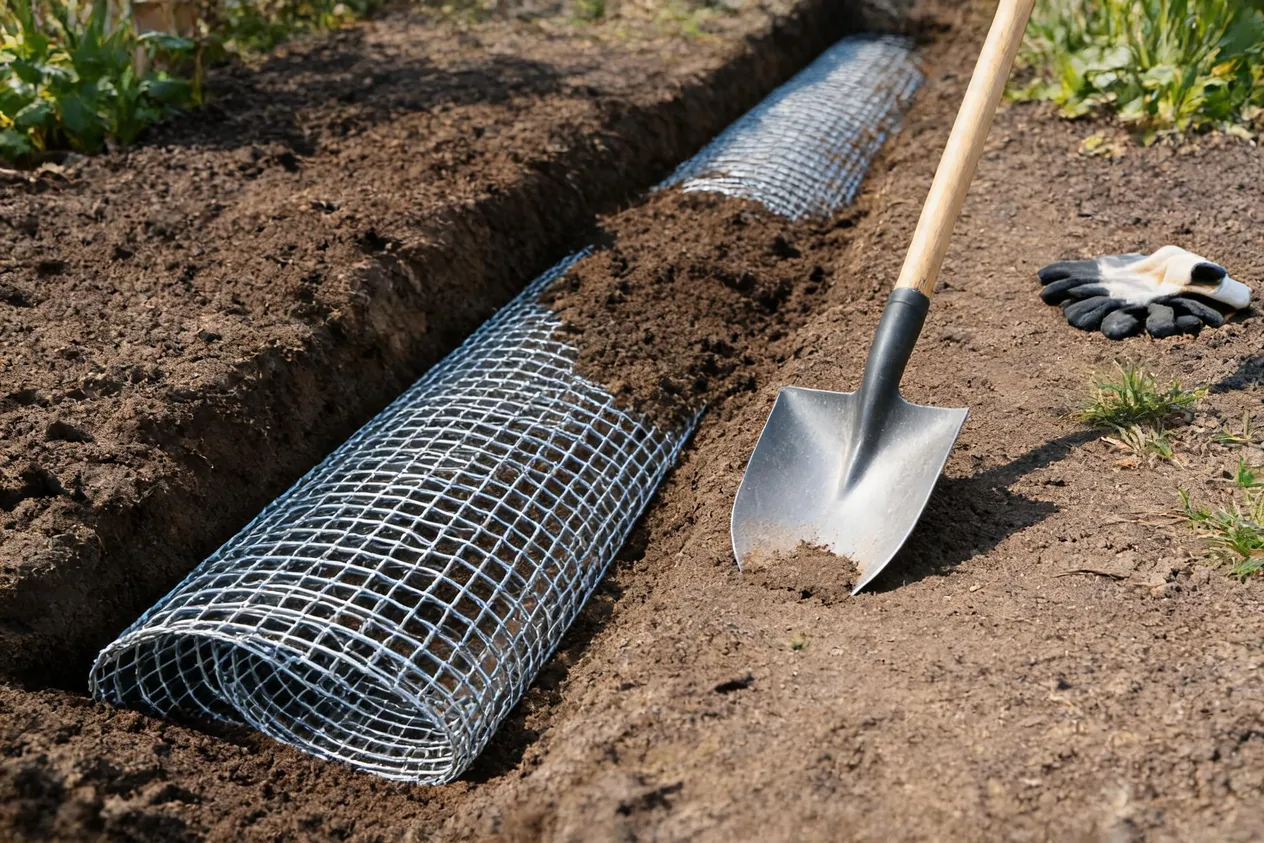
Bury the mesh deep enough, bend an L-shaped foot, and keep one continuous barrier for reliable underground exclusion.
Installing Gopher Wire Mesh
Trench to depth
Excavate at least 60 cm (24 in) deep along the bed, lawn, or planting line, so the mesh sits below the main feeding tunnels.
Lay the mesh with an L-shaped foot
Lay gopher wire flat on the trench floor and bend an extra 15-20 cm outward at 90 degrees, so gophers cannot tunnel underneath the barrier.
Keep the barrier continuous
Overlap adjoining sheets by at least 10-15 cm and tie the seams, keeping one continuous barrier with no gaps at corners or ends.
Backfill and settle
Backfill in layers, firming the soil so the mesh stays taut and level. On lawns, resod or reseed over the buried barrier.
Gopher Wire Mesh Packing for Export
Packing keeps rolls round, protects zinc and PVC finishes, and preserves traceability through transit and receiving inspection.
Rolls wrapped and strapped
Each gopher wire roll is compressed, wrapped in waterproof paper and woven bag, and strapped to hold its shape.
Palletized for container loading
Rolls stand on pallets or pack in bundles sized to the container plan, with edge protection against forklift damage.
Label by specification
Every bundle carries opening, wire diameter, coating class, roll dimensions, quantity, and production lot.
Certificates on request
Coating mass certificates per the RFQ standard and mill certificates for the steel wire accompany the shipment when ordered.
Share destination details
State destination port, trade term, and inspection requirements. Pre-shipment inspection by SGS, BV, or TÜV is available on request.
Factory QC before shipment
Every lot passes incoming wire inspection, welding, galvanizing, and final inspection with AQL sampling before packing. Coating mass per ASTM A90 and mill certificates are available with the shipment.
Gopher Wire Mesh in Service
Use scenarios show how opening, wire diameter, and coating change by duty; they are not customer claims.
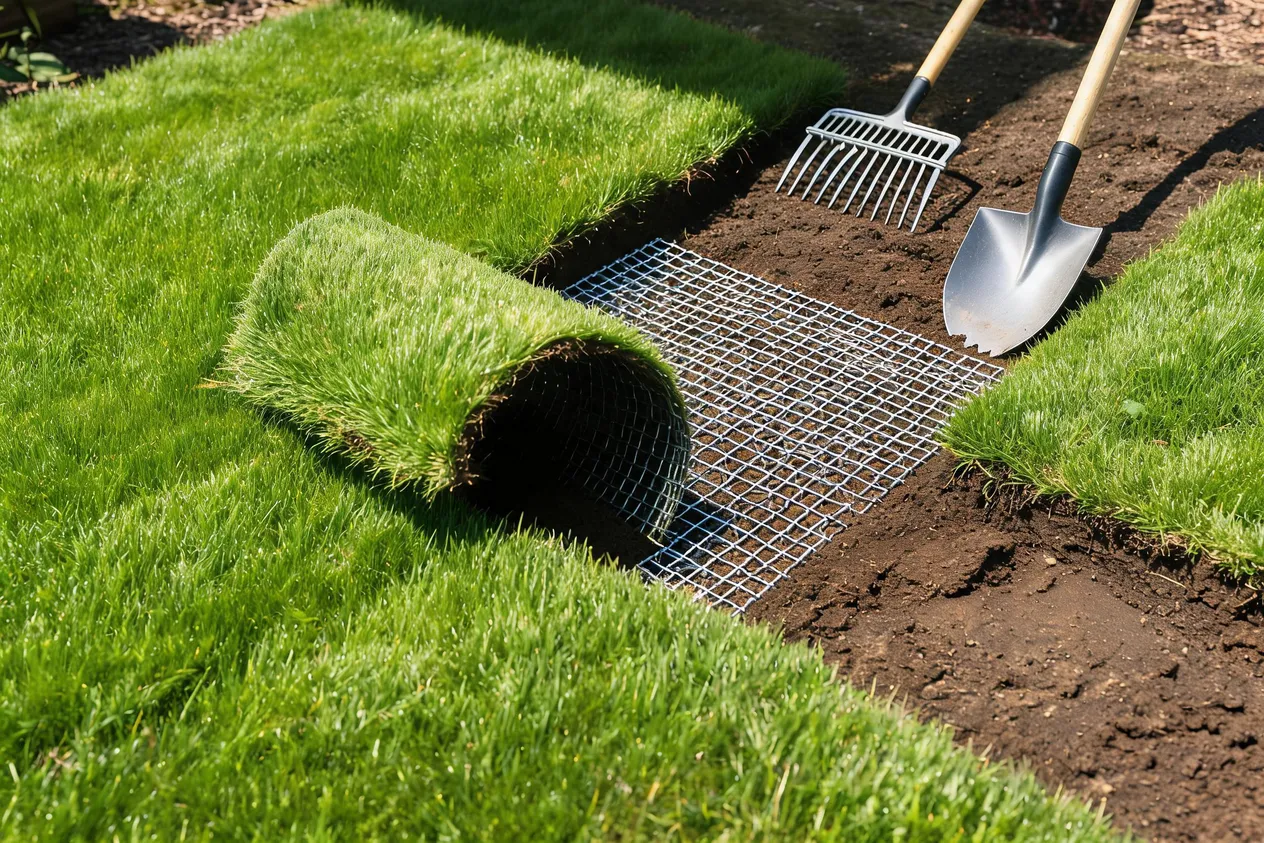
Lawn renovation with buried barrier
Hot-dip galvanized gopher wire mesh in 1/2 inch opening on 0.9 mm wire, laid at 60 cm depth with an L-shaped foot before resodding.
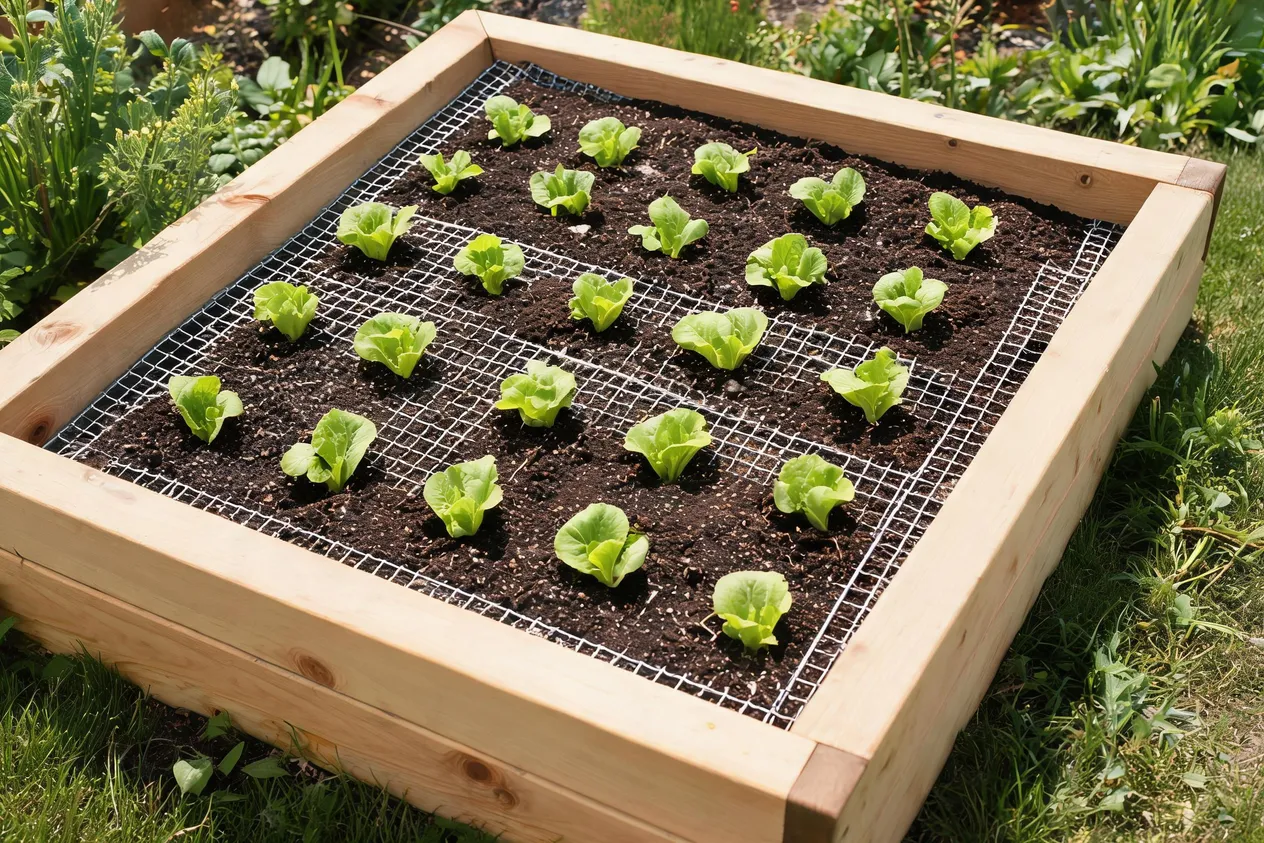
Raised bed floor liner
1/2 inch gopher wire fixed across the bed base, keeping gophers and voles out of the root zone while draining freely.
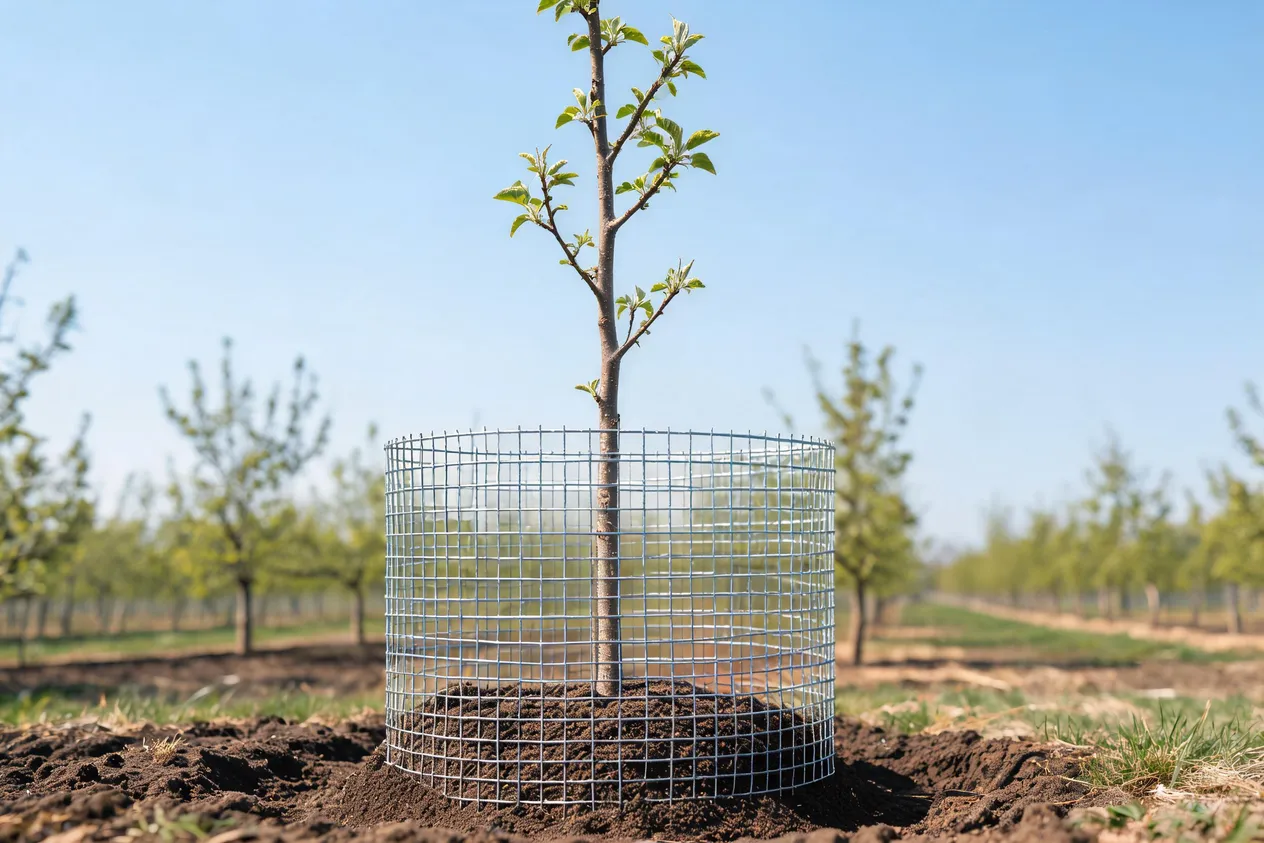
Tree root guard collar
Vertical stainless gopher wire collar around a specimen tree root ball, protecting the root zone in acidic soil.
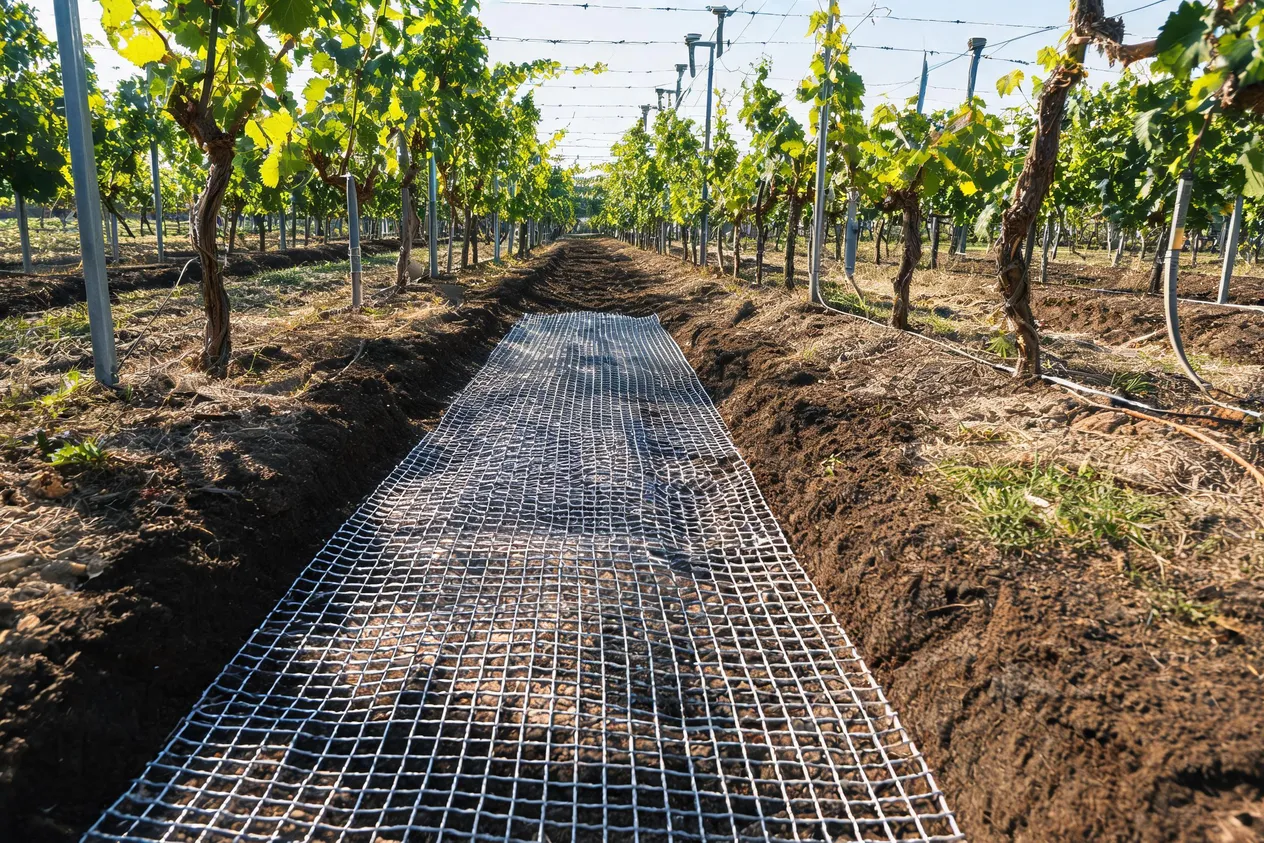
Vineyard row barrier
Continuous 1/2 inch hot-dip gopher wire run under vine rows, protecting the planting from gopher feeding over its life.
Gopher Wire Mesh Sourcing Resources
Compare welded mesh products, coating standards, and related categories. Confirm the standard edition and project requirements before ordering.
Last updated: 2026-09-03
Related pages
Reference standards
Gopher Wire Mesh FAQ
Common procurement questions about openings, wire gauges, coatings, and ordering gopher wire mesh.
Still have questions about gopher wire mesh?
Send your opening, wire diameter, coating route, roll size, and quantity. Our sourcing team replies with a specification-led review.
Request a QuoteRequest Gopher Wire Mesh Pricing
Send opening, wire diameter, coating type and class, roll dimensions, quantity, application, and destination for a specification-led sourcing review. Our team replies with matched gopher wire mesh options and a factory quote.
Your details stay private. We reply with a matched factory quote — no spam.