High Temperature Wire Mesh for Furnace Screens and Filtration
Specify high temperature wire mesh for furnace screens, heat-treatment supports, and process filtration. Compare heat-resistant alloys, weave structures, and the operating conditions that must be confirmed before quotation.
View SpecificationsHigh Temperature Wire Mesh Specification
High temperature wire mesh is selected as a system: alloy, wire form, mesh geometry, fabrication, support, and actual furnace atmosphere work together. A quoted mesh is not a temperature guarantee; confirm the complete operating condition before release.
State the requested grade or approved alternatives, such as 310S / UNS S31008 or a specified nickel alloy; do not order by the words heat resistant alone
Give normal and peak metal temperature, ramp rate, hold time, cycle count, and required service life. Gas temperature alone may not equal mesh temperature
Identify air, inert, reducing, carburizing, nitriding, sulfur-bearing, vacuum, or other process gases, including contamination and cleaning exposure
State construction, mesh count or clear opening, wire diameter, open area, width, length, panel shape, edge treatment, and flatness or tension requirements
Give part weight, distributed or point load, span, orientation, vibration, thermal cycling, fixture contact, and any deformation limit
State material certificate, chemistry verification, dimensional inspection, marking, packing, quantity, destination, and required delivery date in the RFQ
| Material route | What it helps assess | Relevant conditions | RFQ note | |
|---|---|---|---|---|
| 310S stainless steel / UNS S31008 | Heat-resistant chromium-nickel stainless route for oxidizing furnace service | Atmosphere, cyclic exposure, metal temperature, load, and creep or distortion requirement | Outokumpu lists 310S / 1.4845 at a 1050°C maximum application temperature in its Therma range; treat that as grade-reference data, not a mesh-service guarantee. | |
| Nickel-chromium alloy route | A higher-alloy route when the engineering specification requires oxidation or high-temperature-corrosion resistance beyond stainless selection | Exact alloy, atmosphere, duration, thermal cycling, load, and fabrication method | Name the alloy and governing material specification. For example, Special Metals publishes oxidation data for INCONEL alloy 601; confirm wire availability and suitability during quotation. | |
| Other specified heat-resistant alloy | A route for customer-named grades and process-specific material requirements | Chemistry, furnace gases, contaminants, temperature history, and service-life target | Provide the UNS, EN, or proprietary grade designation and allow an approved alternative only if your engineering team permits it. | |
| 304 / 316 stainless steel | General stainless routes that may be relevant below the temperature and atmosphere limits of the application | Heat profile, chloride or chemical exposure, and structural load | Do not substitute a general stainless grade for a high-temperature requirement without approval of the stated service conditions. |
Wire Mesh Construction Routes for Heat Duty
Construction changes support, airflow, particle retention, and how the mesh responds to thermal movement. Select it after the alloy and process duty are defined.
| Construction | Structure | Typical role | Specify before quotation | |
|---|---|---|---|---|
| Woven wire cloth | Interlaced wires in plain, twill, or other agreed weave | Furnace screens, light support layers, and process separation where a defined opening is required | Opening, wire diameter, weave, roll or panel size, cut edge, and support span | |
| Crimped woven screen | Pre-crimped wire that locks the aperture | Coarser screens and more rigid panels where particle support and airflow are both important | Aperture, wire, crimp style, panel size, hooks or edges, and installation orientation | |
| Welded wire mesh | Wire intersections fused into a rigid grid | Guards, partitions, and support panels where square openings and rigidity are required | Opening, wire, panel dimensions, weld condition, frame interface, and thermal expansion allowance | |
| Fabricated mesh assembly | Mesh formed with frames, rods, hems, or welded supports | Baskets, trays, screens, and replacement inserts for named equipment | Drawing, material for every component, joint method, load path, flatness, and inspection points |
High Temperature Wire Mesh Forms to Specify
The form follows the job the mesh must do. A fine filtration screen, a furnace support, and a conveyor surface need different geometry and support details even when the same alloy is selected.
Woven heat-resistant wire mesh
A flexible or framed wire cloth route for defined openings, screening, and process filtration. State the full mesh geometry because mesh count alone does not define the aperture.
Crimped high-temperature screen
A coarse, locked-opening route for screening and support where a heavier wire and more rigid panel behavior are required.
Welded heat-resistant mesh panel
A rigid grid route for panels and guards. Confirm the alloy and joint design because welded intersections and frames can govern service behavior.
Framed screen, basket, or tray insert
A fabricated route for equipment-specific replacement parts. Provide a drawing, interface dimensions, load path, and installation details with the RFQ.
How to Select High Temperature Wire Mesh
Start with the process envelope, then define the alloy and mesh. Temperature is one input; atmosphere, duration, load, cycling, and construction can change the appropriate material route.
Define the actual metal temperature
Provide normal and peak metal temperature, not only furnace setpoint. Include ramp, hold, cooling, and cycle frequency so the selection team can assess the full heat history.
Name the furnace atmosphere
Oxidizing, carburizing, nitriding, reducing, sulfur-bearing, and vacuum conditions behave differently. State gases, moisture, contaminants, and any cleaning media.
Choose the alloy by the full duty
Use the exact grade when it is specified. A 310S stainless route can be evaluated for heat-resistant service; nickel-alloy routes need the named alloy and a condition review. Do not infer equivalence from a temperature number alone.
Fix the mesh geometry
For screening or filtration, give clear opening, wire diameter, weave, and open area. For supports, give the contact pattern and smallest part dimension as well.
Calculate the load path
State the maximum load, span, loading pattern, support points, orientation, and acceptable sag or distortion. Wire diameter and framing are selected against the installed condition.
Allow for thermal movement
Give restrained dimensions, frame material, attachment points, and clearance limits. Thermal expansion and repeated cycling can affect flatness, tension, and joints.
Separate filtration from screening standards
ISO 9044 and ASTM E2016 address industrial woven wire cloth within their stated scopes. They do not by themselves qualify a mesh for a particular high-temperature atmosphere or fabrication design.
Request documentation early
Include grade evidence, inspection, marking, packing, destination, quantity, and required date before offers are compared. This keeps the quotations based on the same specification.
What a Complete High Temperature Mesh Specification Delivers
A complete input package lets engineers and suppliers compare material and construction options against the same process duty before the mesh is made.
Alloy matched to the stated atmosphere
A named grade and full gas environment make the material decision reviewable instead of relying on a generic heat-resistant label.
Mesh geometry matched to the job
Opening, wire diameter, open area, and construction can be balanced against particle retention, airflow, drainage, and product support.
Load and thermal cycling considered together
Including span, weight, cycling, and distortion limits gives the support arrangement the context it needs for a meaningful review.
Fabrication details made explicit
Frames, welds, hems, rods, edges, and installation interfaces can be aligned to the drawing before the order is released.
Quotes easier to compare
When every RFQ names the same alloy, geometry, documents, quantity, and destination, differences between quotations are visible.
Receiving checks planned before shipment
Agreed marking, material documents, dimensions, and packing give the receiving team a clear basis for inspection.
Where High Temperature Wire Mesh Is Considered
These are application patterns for specification and engineering review. They do not establish material suitability for a particular furnace, atmosphere, or service life.
Furnace screens and hearth supports
Screens and support layers that need a stated opening, airflow path, and part-support geometry in a thermal-processing installation.
Heat-treatment baskets and inserts
Fabricated mesh components for holding or separating parts, defined by drawing, loading, thermal cycle, frame details, and atmosphere.
High-temperature process filtration
Woven or fabricated screens where a process requires a defined mesh geometry and the service conditions call for alloy review.
Kiln and drying equipment screens
Screens or guards specified around heated equipment where temperature profile, airflow, mechanical contact, and maintenance access are known.
Thermal conveyor support surfaces
Mesh surfaces or inserts associated with thermal conveying equipment, specified with load, span, drive, edge, and tracking interfaces.
Replacement screens for industrial equipment
Cut panels, framed screens, or formed inserts supplied against an equipment drawing and a complete record of the working environment.
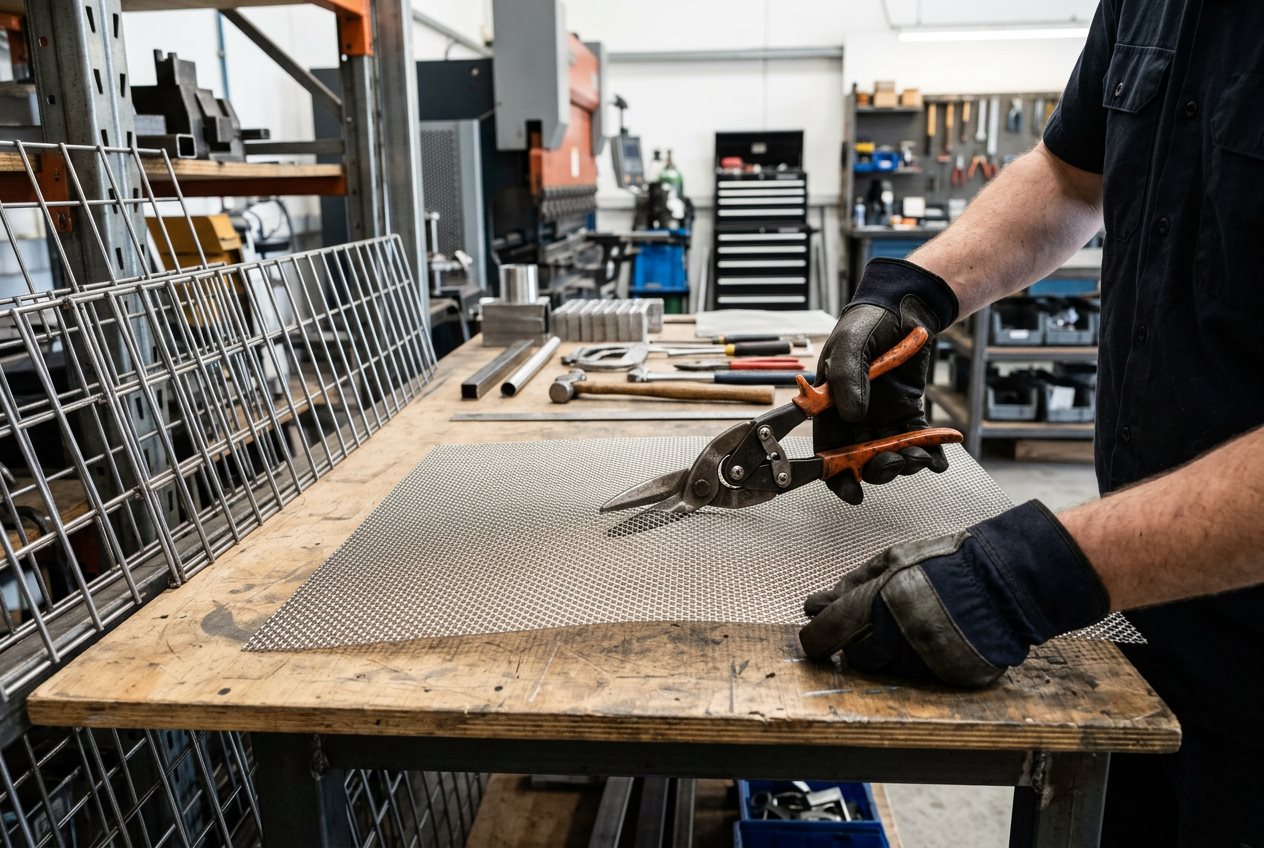
These are general receiving and fitting checks. Follow the equipment maker's instructions, the approved process procedure, and site safety requirements for installation and operation.
Handling High Temperature Wire Mesh Before Service
Check the supplied specification
Before fitting, compare the grade documents, mesh geometry, dimensions, frame or edge details, quantity, and marking against the purchase order and approved drawing.
Inspect the mesh and joints
Look for transport distortion, damaged wires, incomplete welds, sharp edges, or frame damage that could affect fit, load support, or safe handling.
Confirm supports and clearance
Verify span, support points, fastening method, orientation, and the thermal-clearance arrangement before applying process load or heat.
Commission to the approved procedure
Use the site's validated heat-up, loading, inspection, and maintenance procedure. Record observed distortion or damage for the next specification review.
High Temperature Wire Mesh Packing for Receiving
Packing should protect mesh geometry, fabricated joints, and traceability information through transit. Confirm the final packing method and documentation requirements with the quotation.
Protect mesh faces and edges
Separate and restrain rolls, panels, and fabricated parts so mesh faces, cut edges, and welded joints are not crushed or abraded.
Support fabricated assemblies
Use blocking or a crate configuration appropriate to frames, baskets, trays, and inserts so their shape is preserved during handling.
Label each specification
Identify the item, grade, mesh geometry, dimensions, quantity, order reference, and any agreed inspection status on the package documentation.
Include agreed documents
Pack or transmit material, dimensional, marking, or inspection documents in the format agreed at the RFQ stage.
Inspect on receipt
Check packaging condition, identification, documents, dimensions, and mesh condition against the purchase order before placing the item into service.
High Temperature Wire Mesh Specification Examples
These examples show the questions an RFQ should resolve. They are illustrative scenarios, not customer case studies or performance claims.
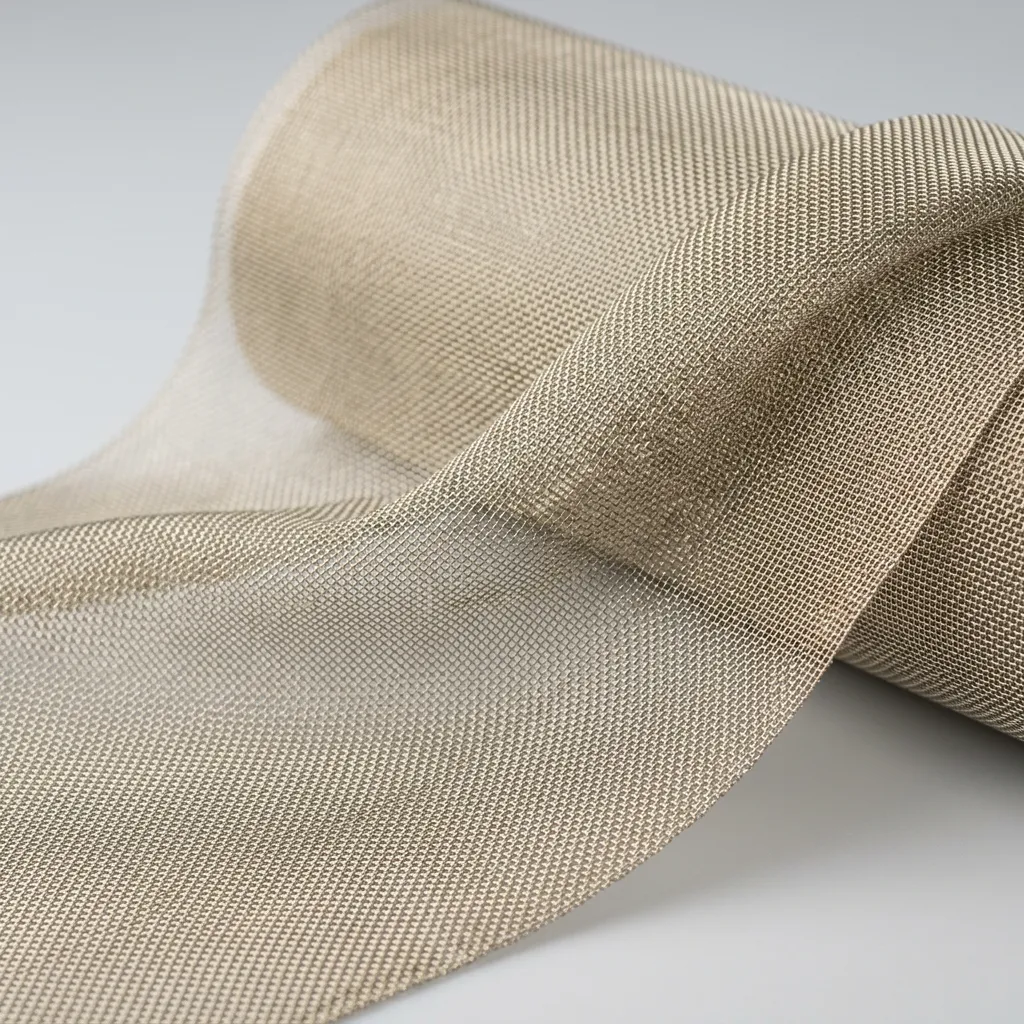
Heat-treatment support screen
A buyer provides the part weight, loaded area, support span, metal-temperature cycle, furnace atmosphere, panel dimensions, and allowable deflection for an alloy and mesh construction review.
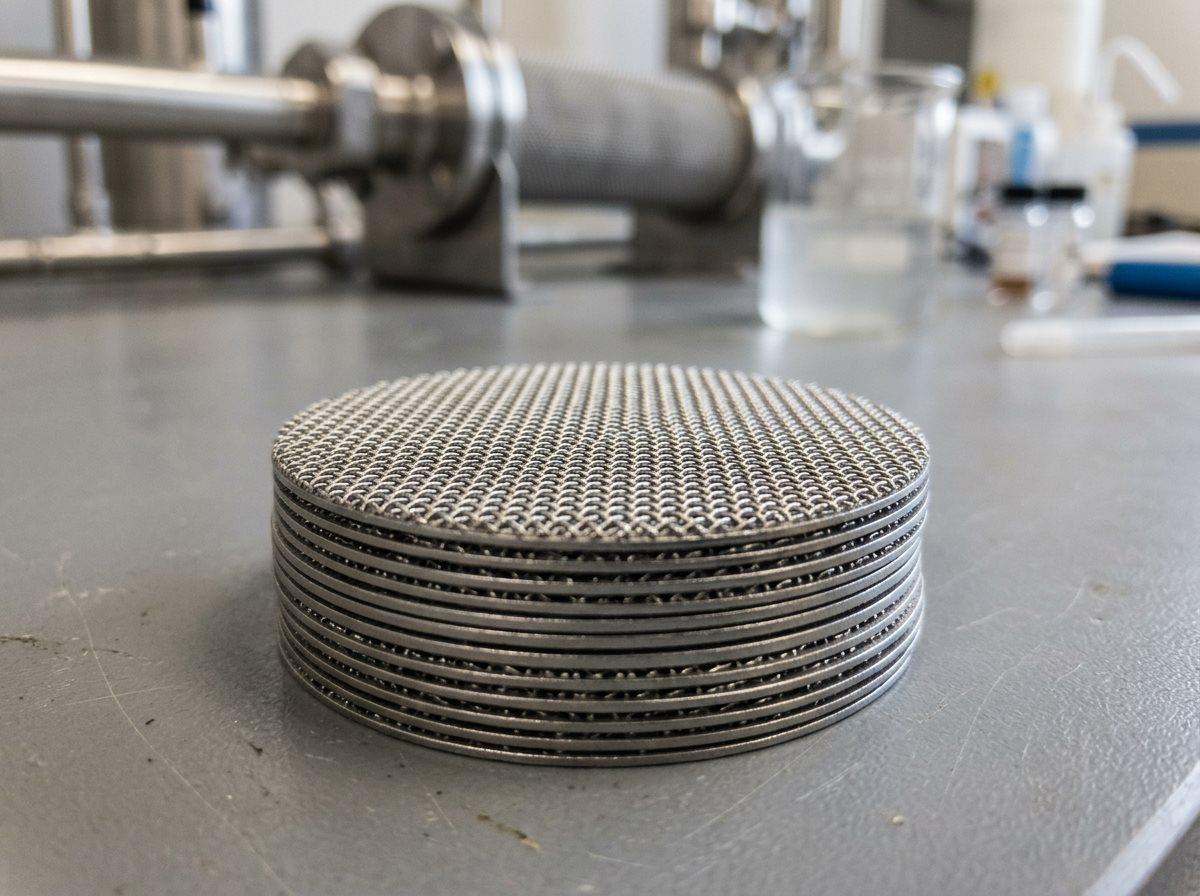
Furnace exhaust process screen
A process team defines the gas composition, temperature profile, particle size, required opening, pressure conditions, cleaning method, and frame interface before comparing woven screen options.

Replacement basket insert
A maintenance team supplies a drawing and photographs of an existing insert, then records the alloy marking, load, thermal cycle, attachment points, distortion history, and required documentation.
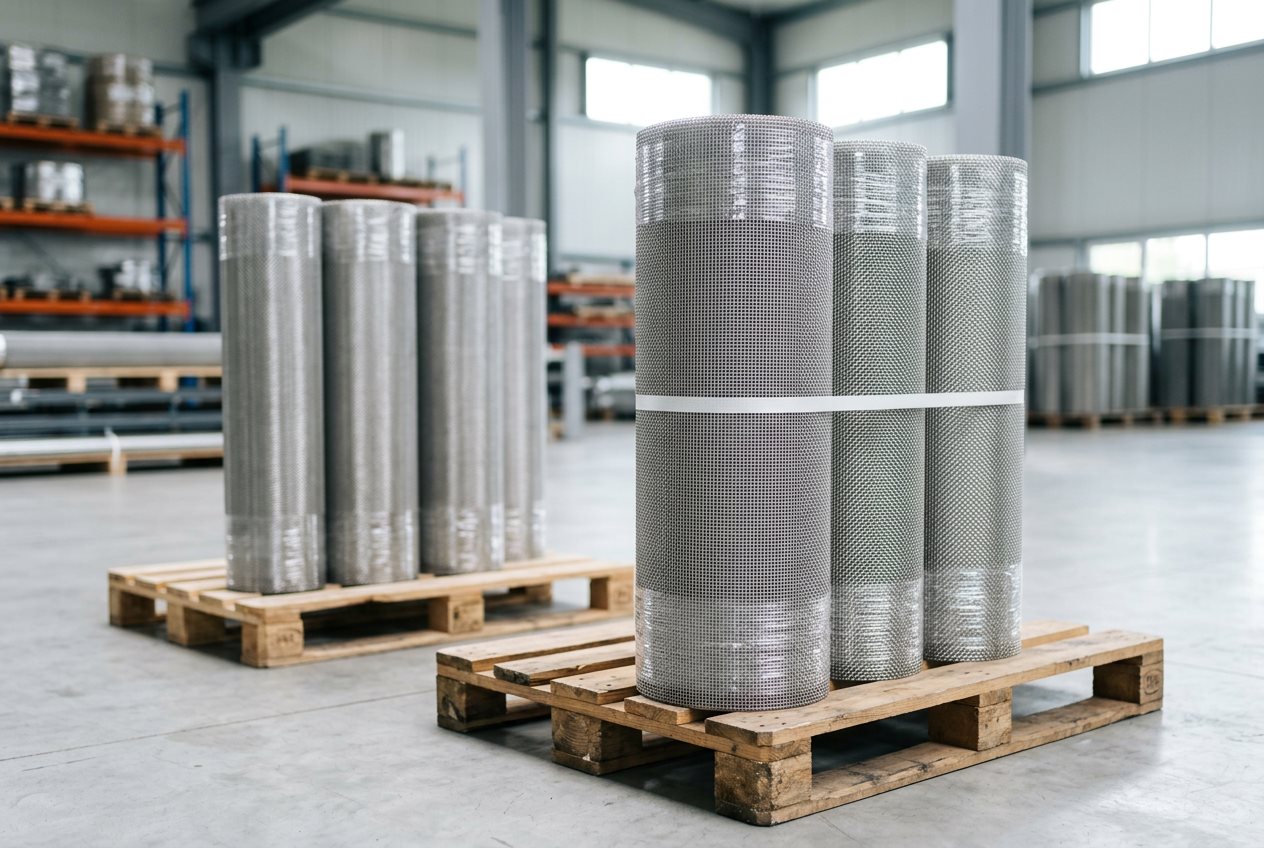
Thermal conveyor support panel
An equipment builder specifies the smallest supported part, panel opening, wire geometry, span, edge interface, temperature cycle, atmosphere, and installation clearance for a fabricated support panel review.
High Temperature Wire Mesh References
Use these pages to compare material and construction terms. Review the cited primary material and standards sources directly when writing a project specification.
Last updated: 2026-09-23
Related pages
Reference standards
High Temperature Wire Mesh FAQ
Specification questions to resolve before sourcing mesh for furnace, thermal-processing, and high-temperature process duty.
Need a high temperature wire mesh specification review?
Send the alloy or approved alternatives, metal-temperature profile, atmosphere, cycle, load, mesh geometry, drawing or dimensions, quantity, destination, and document requirements for a specification-led quotation.
Request a QuoteRequest High Temperature Wire Mesh Pricing
Send the alloy, metal temperature and atmosphere, exposure cycle, mesh construction, opening and wire diameter, dimensions, load and support details, fabrication drawing, quantity, destination, and document requirements for a specification-led sourcing review.
Your details stay private. We reply with a matched factory quote — no spam.