Wire Mesh Screen Supplier: Rolls, Panels & Custom Cut
Source wire mesh screen in rolls, panels, and cut-to-size pieces. Compare woven, crimped, and welded screens in stainless or galvanized steel. Request a quote.
View SpecificationsWire Mesh Screen Specifications to Confirm
A wire mesh screen is defined by mesh count, wire diameter, and aperture. State all three plus construction, material, dimensions, quantity, and application.
Meshes per inch, 2 to 500; popular: 4, 8, 20, 40, 80 mesh
Clear opening from 25 mm down to 20 microns for sizing and separation
0.025 mm fine screen wire through 6 mm heavy screening wire
Woven, crimped, or welded wire mesh screen matched to the duty
Stainless steel 304 or 316, galvanized steel, or high-carbon screen wire
| Spec item | What to state | Why it matters | RFQ note | |
|---|---|---|---|---|
| Mesh count and aperture | Meshes per inch and clear opening | Controls particle size and flow rate | State both values; aperture tolerances per ISO 9044. | |
| Wire diameter | Nominal diameter and tolerance | Affects strength, open area, and screen life | Use millimeters. | |
| Screen construction | Woven, crimped, or welded | Matches the wire mesh screen to the duty and frame | Describe vibration, load, and abrasion. | |
| Material and finish | Grade, coating, or special alloy | Matches corrosion and temperature exposure | Describe the service environment. | |
| Roll or panel size | Width, length, edges, quantity | Determines cutting, handling, and packing | Standard rolls are 1 m or 48 in wide by 30 m long. | |
| Open area | Aperture and wire diameter | Predicts flow rate and screening efficiency | Plain weave wire mesh screen typically runs 20% to 67%; formula: (aperture / (aperture + wire))^2 x 100%. | |
| Weight per square meter | Material, wire diameter, and mesh count | Drives freight cost and handling | Ask for the theoretical weight in the quotation. | |
| Common stock sizes | 4, 8, 20, 40, 80, 100 mesh in 1 m or 48 in rolls | Fast delivery for popular screening duties | Ask for the stock list; popular sizes ship faster. | |
| Quality acceptance | Wire diameter tolerance, aperture inspection, weld or weave check | Incoming inspection on delivery | Request mill certificate and pre-shipment report. |
Where Wire Mesh Screen Is Used
Choose a wire mesh screen by duty: accurate apertures for sizing, open area for flow, and tough constructions for vibration.
Aggregate and mining screening
Crimped wire mesh screen decks for quarry, gravel, and ore gradation under vibration.
Filtration and straining
Fine screen cloth for liquids, gases, polymers, and process lines.
Window and insect screens
Fine woven wire mesh screen keeps insects out while preserving airflow and visibility.
Food and pharmaceutical
Wash-down-safe stainless steel wire mesh screen with mill certificates for hygienic sifting, drying, and tray inserts.
Machine guards and security
Tough screen panels for machine guards, vents, and protective barriers.
Architectural and decorative
Framed screen panels for facades, ceilings, cabinets, and interiors.
Wire Mesh Screen Types and Formats
Each wire mesh screen construction serves a different duty. Compare woven, crimped, fine, and welded screens before you specify.
Woven wire mesh screen
Standard over-under weave with accurate square openings for general screening and filtration.
Crimped wire mesh screen
Pre-crimped wires lock rigid openings for vibrating screen decks and heavy sizing.
Fine mesh insect screen
Light woven wire mesh screen in 18x16 or finer counts for window and door screening.
Welded screen panels
Rigid welded wire mesh screen panels for guards, partitions, and structural screening.
How to Select a Wire Mesh Screen
Start with the duty, then specify aperture, wire, construction, material, quantity, and packing. A complete wire mesh screen RFQ avoids assumptions.
By aperture and mesh count
Define the particle size to pass or retain. State both mesh count and clear opening to avoid ambiguity.
By material and exposure
Choose a stainless steel wire mesh screen for corrosion, food, or heat. Galvanized suits general outdoor use.
By screen construction
Woven suits fine apertures, crimped locks coarse openings under vibration, and welded gives rigid panels.
Rolls, panels, or cut pieces
Rolls suit continuous runs and screen fabricators. Panels and cut-to-size pieces suit decks, guards, and assemblies.
Wire mesh screen or perforated plate?
A wire mesh screen offers higher open area and lower weight; perforated plate suits impact and heavy wear.
By service life target
For abrasive screening, heavier wire or crimped construction costs more per panel but less per operating hour. Share tonnage and changeout intervals for a life-oriented specification.
Wire mesh screen or expanded metal?
A wire mesh screen gives precise apertures for sizing; expanded metal gives one-piece rigidity for walkways and guards.
By cleaning and maintenance
Fine screens need wash-down or ultrasonic access. Plan frame opening and spare screen inventory with the order.
By blinding and pegging risk
Wet or sticky feed blinds fine apertures and kills throughput. Choose larger open area, heavier wire, or self-cleaning crimped screens for difficult material.
By hygiene and compliance
Food and pharmaceutical lines need wash-down-safe stainless screens with mill certificates. State audit requirements so certificates ship with the order.
Why Buyers Choose Wire Mesh Screen
Screen wear, blinding, and unplanned changeouts cost more than the mesh itself. The right wire mesh screen specification removes all three.
Precise aperture
A wire mesh screen delivers consistent openings for repeatable sizing and separation.
High open area
Woven screens keep throughput high at a given aperture compared with plate alternatives.
Flexible formats
Order rolls, flat panels, or cut-to-size pieces matched to decks, frames, and housings.
Cost efficient
A wire mesh screen often costs less than perforated plate at equivalent open area.
Custom fabrication
Specify weave, crimp, width, edge finish, and framing to your drawing.
Lower cost per operating hour
Cheap cloth that wears out in weeks costs more than a correctly specified wire mesh screen. Match wire diameter and construction to the duty and changeouts stretch from weeks to months.
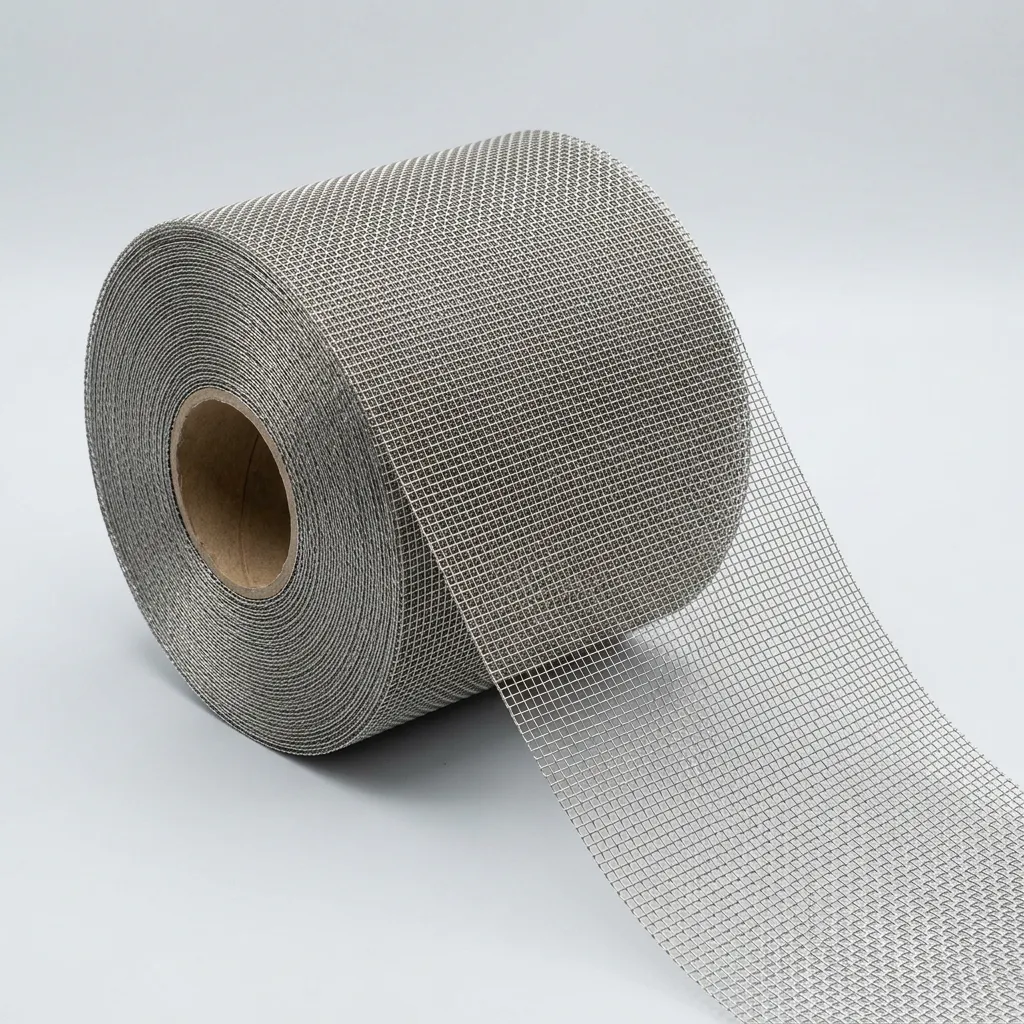
Plan for roll memory, cut edges, tensioning, and frame support. Follow project safety requirements.
Wire Mesh Screen Handling and Installation
Check the delivered specification
Compare mesh count, aperture, wire diameter, material, and quantity against the order before cutting.
Cut and deburr edges
Cut the screen with shears along the wire line and treat sharp edges as the project requires.
Tension and fix evenly
Support the wire mesh screen on frames or hooks and tension evenly so openings stay square in service.
Match fixing to the duty
Use clamping, welding, or framing that suits vibration, load, and corrosion exposure.
Wire Mesh Screen Packing for Export
Wire mesh screen packing protects fine openings, edges, and finishes during transit and inspection.
Rolls with core support
Screen rolls ship on sturdy cores wrapped in waterproof paper and woven bags.
Flat panels in cases
Cut panels and screen decks pack flat in wooden cases or on pallets with edge protection.
Bundle by specification
Separate and label mesh counts, constructions, materials, and sizes to speed receiving checks.
Provide shipping marks
Include order, item, quantity, weight, destination, and inspection marks.
Share destination details
State destination port, trade term, container plan, and delivery constraints.
Wire Mesh Screen Project Uses
Use scenarios show how specifications change by function; they are not customer claims.
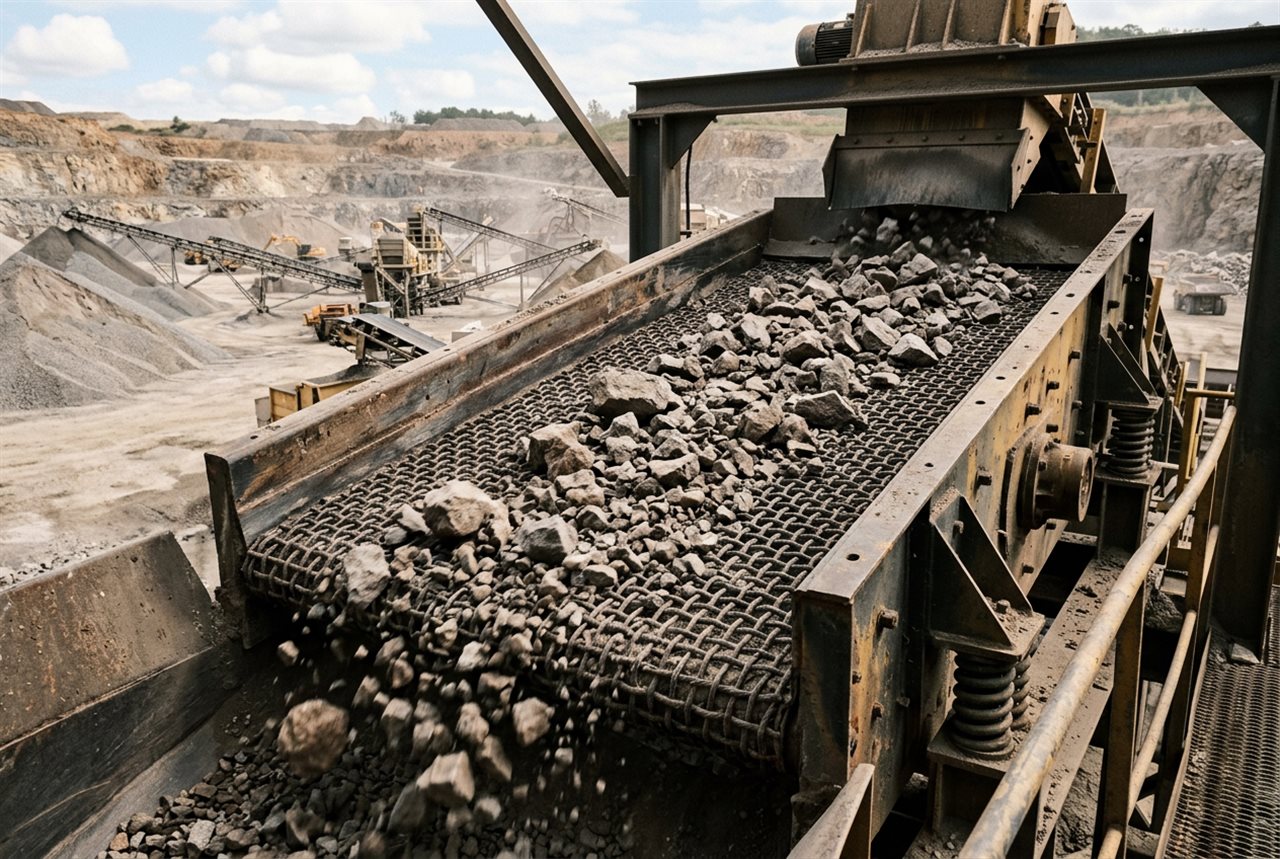
Quarry vibrating screen line
Crimped wire mesh screen in heavier wire for abrasive aggregate gradation, specified to extend changeout intervals.

Extrusion filtration
Fine dutch weave screen packs and cut discs for polymer extrusion lines.
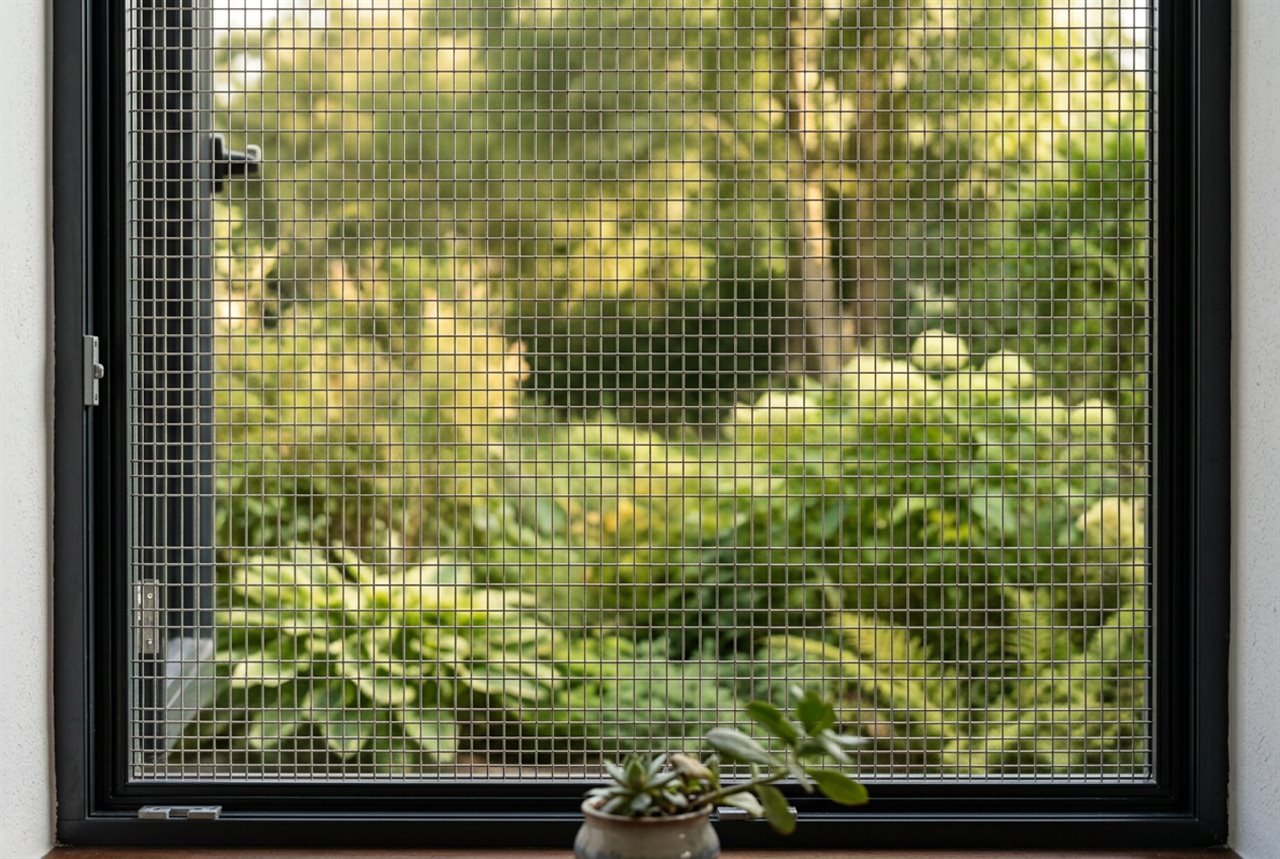
Window screen fabrication
Fine stainless or galvanized insect screen supplied in rolls for screen fabricators.
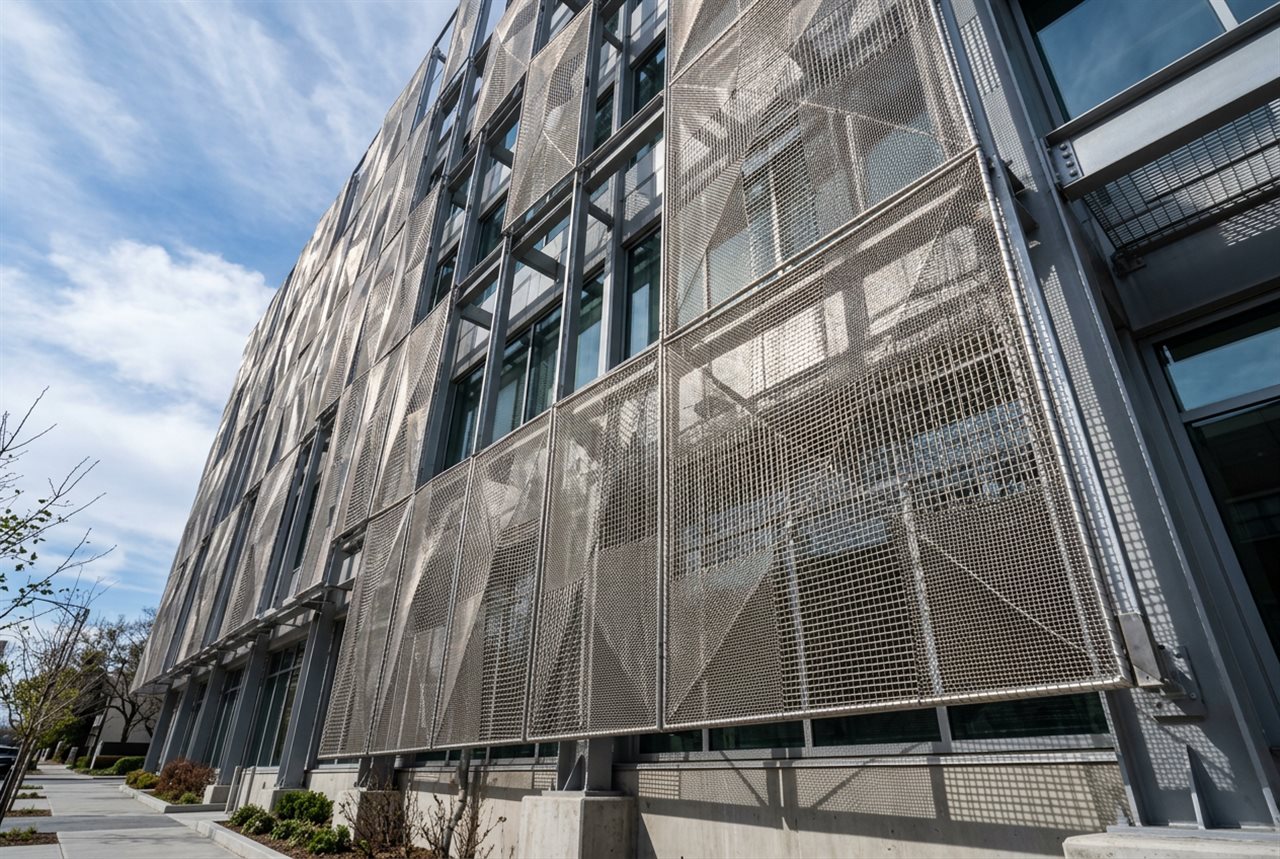
Architectural screen facade
Framed wire mesh screen panels selected for pattern, open area, and finish.
Wire Mesh Screen Sourcing Resources
Compare screen products and standards. Confirm the edition and project requirements before ordering.
Last updated: 2026-07-30
Related pages
Wire Mesh Screen FAQ
Common procurement questions about wire mesh screen specifications, constructions, and ordering details.
Still have questions about wire mesh screen?
Send your mesh count, aperture, wire diameter, material, and quantity. Our sourcing team replies with a specification-led review.
Request a QuoteRequest Wire Mesh Screen Pricing
Send your wire mesh screen construction, mesh count, aperture, wire diameter, material, dimensions, quantity, application, and destination for a specification-led sourcing review.
Your details stay private. We reply with a matched factory quote — no spam.