Wire Mesh Sheets: Welded, Woven & Cut to Size
Source wire mesh sheets in welded, woven and crimped constructions. Compare opening, wire diameter, material, sheet size and finish before requesting a quote.
Compare SpecificationsWhat Defines a Wire Mesh Sheet
A wire mesh sheet is a pre-cut or fabricated piece of woven, welded, or crimped wire mesh. Specify the construction first, then confirm opening, wire diameter, material, sheet dimensions, edge treatment, finish, quantity, and application.
Welded, woven, crimped, or welded wire reinforcement, selected by rigidity, aperture, and end use
Clear opening for welded and crimped mesh; mesh count and aperture for woven wire cloth
Nominal wire diameter and tolerance, which affect strength, open area, weight, and handling
Carbon steel, galvanized steel, stainless steel, or other confirmed alloy and finish requirements
Length, width, flatness, edge condition, and any cutouts, frames, bends, or mounting holes
Pieces per bundle, pallet or crate requirements, destination, and handling method
Select one or more specifications. Your choices will be included in the quote request.
0 specs selected
| Sheet construction | How to specify it | Common sheet use | RFQ note | |
|---|---|---|---|---|
| Welded wire mesh sheet | Opening, wire diameter, sheet size, border, material, and finish | Guards, storage, cages, fabrication, and barriers | State whether a rigid flat panel or a framed assembly is required. | |
| Woven wire mesh sheet | Weave, mesh count, aperture, wire diameter, grade, size, and edge finish | Screening, filtration, architectural infill, and fabricated inserts | Use both mesh count and aperture where screening accuracy matters. | |
| Crimped wire mesh sheet | Aperture, wire diameter, crimp type, panel dimensions, material, and wear duty | Quarry, aggregate, and heavy screening decks | Describe vibration, feed material, and support-frame details. | |
| Concrete reinforcing mesh sheet | Wire designation or diameter, spacing, sheet size, material, and drawing reference | Slabs, pavement, precast elements, and foundations | The structural drawing and applicable project standard govern the final selection. |
Where Wire Mesh Sheets Are Used
The same sheet form can serve very different duties. Select the construction and specification from the work it must perform, not from the product name alone.
Machine guards and enclosures
Rigid welded sheets create visible barriers around equipment, work cells, and controlled areas.
Screening and separation
Woven or crimped sheets separate material when aperture, wire, and wear resistance match the process.
Concrete reinforcement
Welded reinforcement sheets are specified by the structural drawing for slabs, pavement, and precast work.
Storage and fabrication
Flat mesh sheets can be formed into shelf inserts, baskets, trays, guards, and custom assemblies.
Architectural infill
Woven sheets and framed panels provide pattern, airflow, and visibility for facades, screens, and interiors.
Ventilation and protection
Specified mesh sheets protect openings and equipment while allowing the required air or light passage.
Choose Wire Mesh Sheets by Construction
Construction determines how the mesh behaves after cutting, framing, loading, or exposure. Start with the construction that fits the application, then select the specification.
Welded wire mesh sheets
Fused intersections create rigid, repeatable panels for guards, storage, barriers, and fabrication.
Woven wire mesh sheets
Interlaced wire cloth supports fine openings and precise screening, filtration, or decorative work.
Crimped wire mesh sheets
Pre-crimped wire locks openings in heavier sheet formats for screening and abrasive material handling.
Concrete reinforcing mesh sheets
Welded wire reinforcement sheets are selected from a structural design for concrete applications.
How to Select Wire Mesh Sheets
Move from the application to a complete, comparable RFQ. If the requirement is not yet final, identify the decisions below before requesting a quote.
Choose sheet or roll first
Use sheets where flat handling, repeat dimensions, or fabrication layouts matter. Use rolls for continuous coverage or field cutting over long runs.
Match welded or woven construction to the duty
Welded mesh suits rigid barriers and assemblies. Woven mesh suits fine apertures, screening, and applications where the weave is part of the performance requirement.
Define the opening and wire together
Opening controls what can pass through; wire diameter affects strength, open area, weight, and sheet stiffness. State both values in the same unit system.
Select the material for the environment
Use the service environment to decide among carbon steel, galvanized steel, stainless steel, or another confirmed material requirement.
Use 304 and 316 by exposure
For stainless steel, identify the exposure, cleaning chemicals, and chloride risk so the required grade can be confirmed against the application.
Confirm the edge treatment
Specify cut, selvage, welded border, hemmed, framed, or otherwise finished edges when handling safety, fraying, mounting, or fit matters.
Set dimensions and tolerances
Provide finished length, width, flatness needs, cutouts, mounting details, and tolerances from the drawing instead of relying on a nominal sheet name.
Plan packing and receiving
State pieces per bundle, maximum bundle weight, pallet or crate needs, unloading method, destination, and any corrosion-protection requirements.
Why Buyers Specify Wire Mesh in Sheets
Sheet-form mesh makes dimensions, handling, fabrication, and inspection easier to define before procurement.
Repeatable finished dimensions
Specified sheet length and width make it easier to plan frames, assemblies, nesting, and site handling.
Construction matched to the task
Welded, woven, crimped, and reinforcing sheets can be compared on the same RFQ without treating them as interchangeable.
Ready for fabrication
Cut sheets can be supplied for framing, forming, guarding, storage, or insertion into a larger assembly.
Clearer inspection points
Opening, wire, material, dimensions, edge condition, and finish can be checked against the agreed specification before dispatch.
Practical packing control
Flat stacking and identified bundles help buyers plan handling, storage, and receiving at the destination.
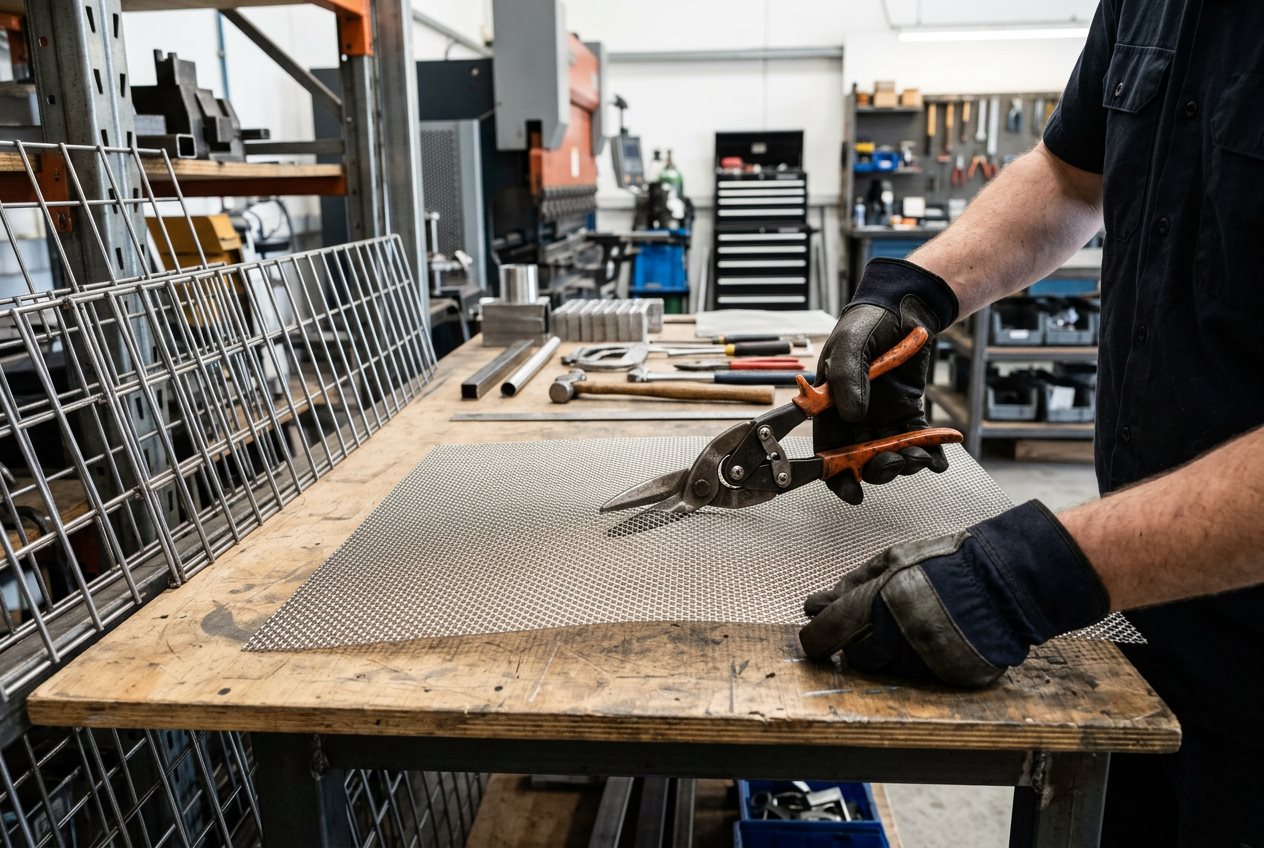
Cutting, framing, and fixing methods depend on the construction, wire size, edge treatment, and site safety requirements. Confirm the finished drawing before fabrication or installation.
Handling Wire Mesh Sheets Before Installation
Inspect against the specification
Before cutting or fitting, check the construction, opening, wire diameter, material, finished dimensions, edge condition, and visible surface requirements.
Plan the cut and support
Mark cut lines and support the sheet so it does not bend, distort, or catch during handling. Follow the applicable site safety procedure for the selected cutting method.
Finish exposed edges
Use the agreed border, frame, hem, trim, or fastening detail to control sharp edges and to preserve the intended fit in the assembly.
Confirm fit before final fixing
Check panel orientation, openings, mounting points, clearances, and alignment before fastening the sheet into a guard, frame, screen, or other assembly.
Packing Wire Mesh Sheets for Shipment
Packing requirements should protect the specified sheet dimensions, surface condition, and edges through loading, transit, and receiving.
Stack by sheet specification
Bundle sheets of the same construction, dimensions, and finish together so receiving teams can verify them without mixing specifications.
Protect edges and surfaces
Use separators, corner protection, and appropriate wrapping where the agreed finish or edge condition needs protection during handling.
State the handling method
Confirm bundle weight, lifting points, pallet or crate requirements, and forklift access before finalizing the packing plan.
Label each bundle clearly
Identify the construction, material, opening, wire diameter, sheet dimensions, quantity, and purchase-order or drawing reference.
Confirm destination details
Include destination, delivery terms, and any receiving restrictions in the RFQ so the packing route can be reviewed before quoting.
Wire Mesh Sheets by Application
These are representative application scenarios, not customer projects or performance claims. Final specifications depend on the buyer's drawing, environment, and applicable requirements.
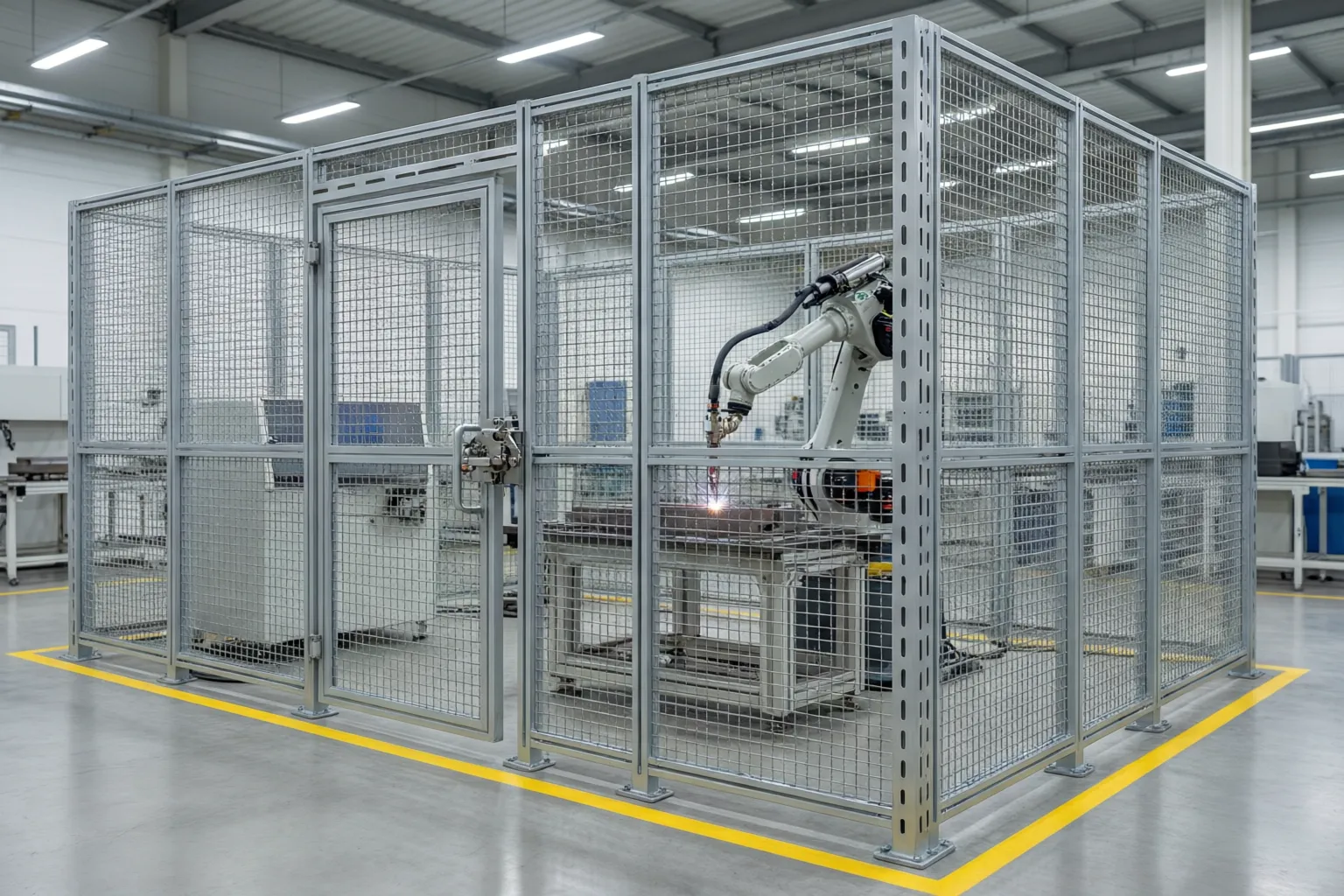
Machine guarding panel
A welded sheet selected for opening, wire diameter, border detail, and mounting method around equipment or a controlled work area.
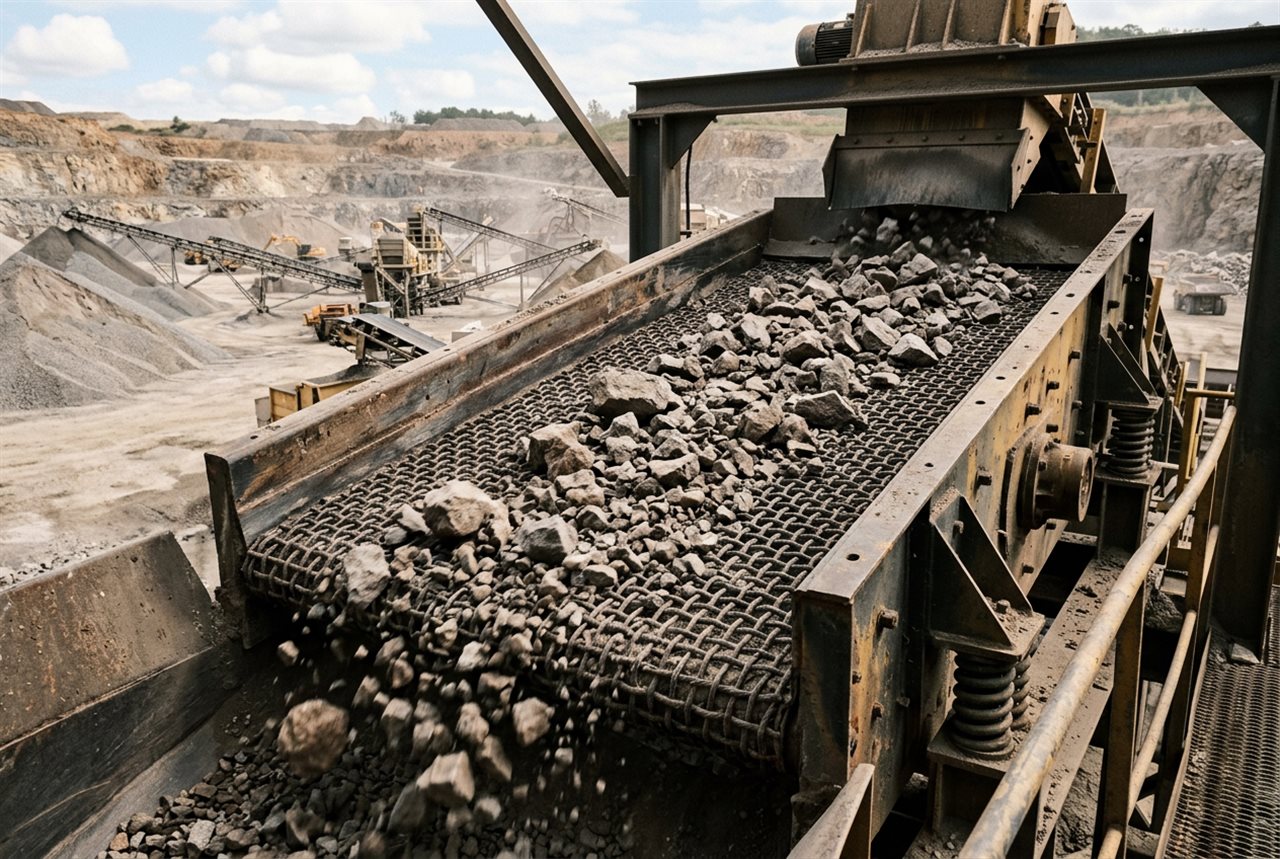
Quarry screening deck
A crimped sheet selected for aperture, wire, crimp, panel dimensions, and abrasion duty within a screening system.
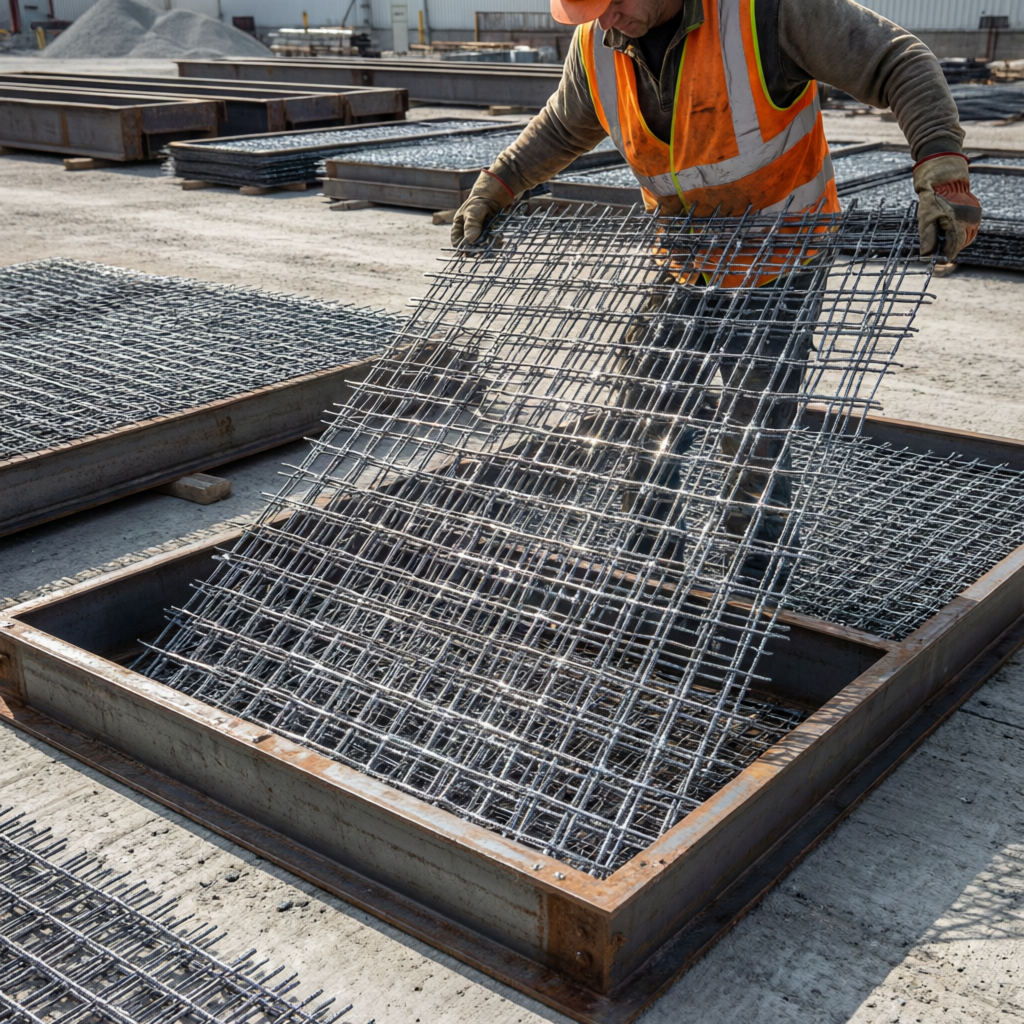
Precast reinforcement sheet
A welded reinforcing sheet selected from the concrete drawing for wire arrangement, dimensions, and placement requirements.
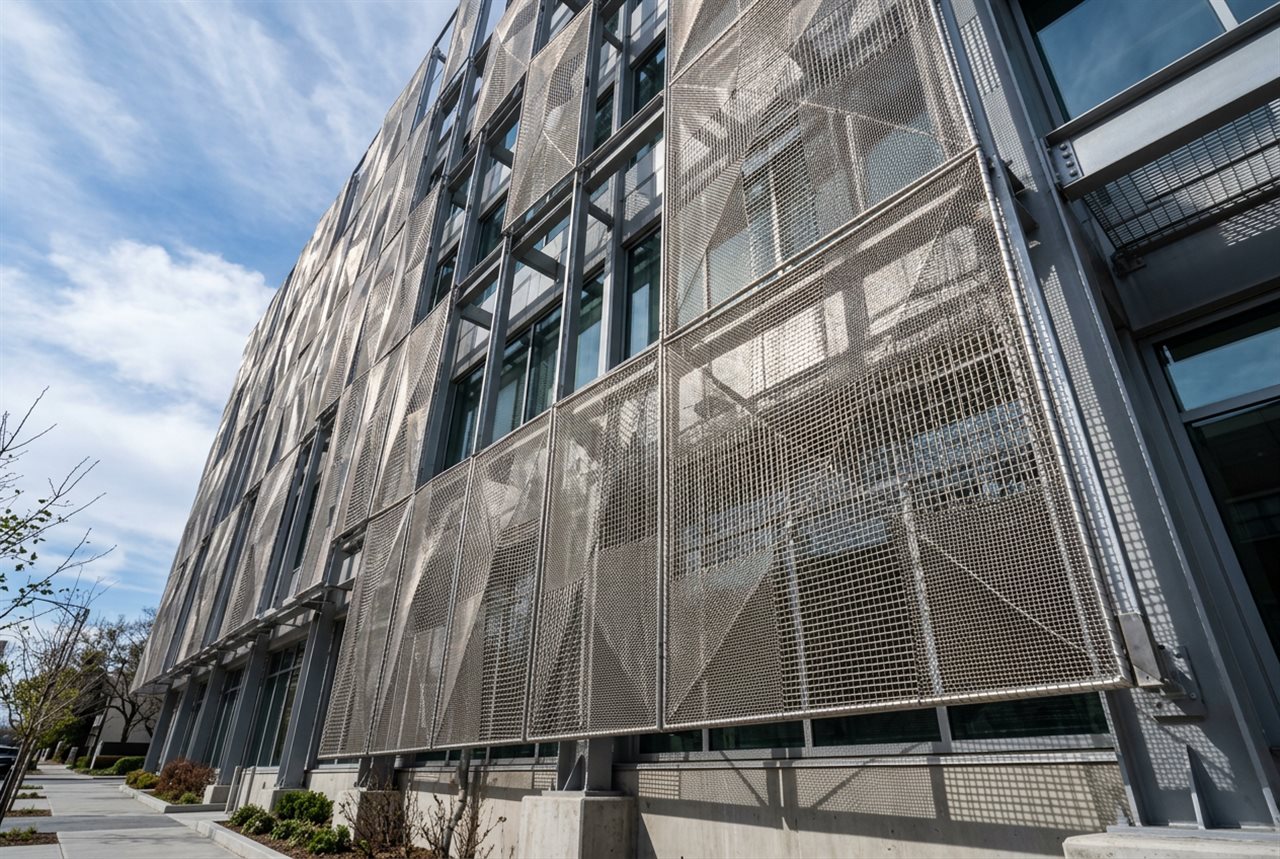
Architectural mesh infill
A woven sheet or framed panel selected for pattern, open area, material, finish, edge detail, and mounting design.
Wire Mesh Sheet Sourcing Resources
Use these category guides and standards to clarify the construction and specification before ordering. The applicable standard depends on the product and project requirement.
Last updated: 2026-09-02
Related pages
Reference standards
Wire Mesh Sheets FAQ
Common questions buyers ask when choosing wire mesh sheets for fabrication, screening, reinforcement, guarding, or other industrial uses.
Need help matching a sheet to your application?
Send the application, construction, opening, wire diameter, material, sheet size, edge detail, quantity, destination, and drawing if available for a specification-led review.
Request a QuoteRequest Wire Mesh Sheet Pricing
Send construction, material, opening or mesh count, wire diameter, sheet size, edge treatment, finish, quantity, destination, and drawing for a specification-led sourcing review.
Your details stay private. We reply with a matched factory quote — no spam.