Welded Wire Garden Fence: PVC-Coated & Galvanized Rolls & Panels
Source welded wire garden fence in rolls or panels, 50-75 mm square openings, 2.0-2.5 mm wire, in hot-dip galvanized or PVC-coated finishes for vegetable beds, borders, pet runs, and bulk garden projects. Request a factory quote.
View SpecificationsWelded Wire Garden Fence Specifications
A welded wire garden fence is defined by five variables: mesh opening, wire diameter, coating, height and format, and standard. State all five in every RFQ so the fence matches your beds, posts, and pest pressure.
Resistance-welded square mesh with rigid nodes that keep a garden fence taut and square without the sag and stretch of woven netting
Square openings 50x50 mm and 75x75 mm center-to-center; larger openings available for tall perimeter runs where small stock is not present
2.0-2.5 mm low-carbon steel wire, stiff enough for DIY tensioning yet light enough for easy handling and cutting
Hot-dip galvanized (250-350 g/m2 zinc) or PVC-coated over a galvanized core (0.4-0.6 mm jacket) in black or green
Rolls 0.9-1.5 m high in 10-50 m lengths; panels 0.9-1.5 m high by 2.0-3.0 m wide on request
Zinc-coated steel wire per ASTM A641, welded wire mesh fencing per ASTM F2549, hot-dip coatings per ISO 1461
Select one or more specifications. Your choices will be included in the quote request.
0 specs selected
| Mesh opening | Wire diameter | Coating | Fence height | Best for and RFQ note | |
|---|---|---|---|---|---|
| 50x50 mm | 2.0-2.2 mm | Hot-dip or PVC | 0.9-1.2 m | Vegetable gardens, rabbits, and small pets. Specify zinc weight so the fence survives wet beds and sprinklers. | |
| 75x75 mm | 2.2-2.5 mm | Hot-dip or PVC | 1.2-1.5 m | General garden boundaries and medium dogs. Taller runs need posts every 2.5-3.0 m. | |
| 100x100 mm | 2.5-3.0 mm | Hot-dip galvanized | 1.5-1.8 m | Deer pressure and orchard edges. Combine with a top wire where deer jump. |
Common Stock Sizes: Welded Wire Garden Fence
Typical stock welded wire garden fence rolls. Custom openings, wire diameters, and heights are available at MOQ; confirm coating and tolerances at RFQ.
| Height | Roll length | Common opening | Typical use | |
|---|---|---|---|---|
| 0.9 m | 25 m | 50x50 mm | Vegetable beds, flower borders, small pets | |
| 1.0 m | 25 m | 50x50 or 75x75 mm | General garden and poultry runs | |
| 1.2 m | 25 m | 75x75 mm | Medium dogs and garden perimeters | |
| 1.5 m | 10-20 m | 75x75 mm | Taller boundaries and deer-prone gardens with a top wire |
Coating Options for Welded Wire Garden Fence
Match the coating to exposure and looks. Coating choice decides how many years a welded wire garden fence stays sound outdoors, so state the zinc weight or PVC thickness in the RFQ.
| Coating | Finish and thickness | Expected life | Best for | RFQ note | |
|---|---|---|---|---|---|
| Electro-galvanized | Bright thin zinc, 30-60 g/m2 | 3-5 years outdoors | Temporary beds and sheltered use | Not recommended for wet garden soil; upgrade to hot-dip for permanent fences | |
| Hot-dip galvanized | Dull grey zinc, 250-350 g/m2 | 15-25 years | Permanent garden fences in wet or coastal gardens | Choose hot-dip after welding so weld points are fully covered | |
| PVC coated | Zinc base plus 0.4-0.6 mm PVC | 15-25 years | Black or green fences that blend into landscaping | State RAL color and confirm UV-stabilized compound for sun-exposed beds |
Selecting Welded Wire Garden Fence by Duty
A practical starting point for specifying welded wire garden fence. Confirm the pest, animal, and site before finalizing opening and wire.
| Duty | Mesh opening | Wire diameter | Coating | Format | |
|---|---|---|---|---|---|
| Vegetables and rabbits | 50x50 mm | 2.0-2.2 mm | Hot-dip or PVC | Rolls | |
| Flower beds and borders | 50x50 or 75x75 mm | 2.0-2.5 mm | PVC-coated | Rolls | |
| Poultry and small pets | 50x50 mm | 2.0-2.2 mm | Hot-dip or PVC | Rolls | |
| Medium dogs | 75x75 mm | 2.2-2.5 mm | Hot-dip galvanized | Rolls or panels | |
| Deer-prone gardens | 75x75 or 100x100 mm | 2.5-3.0 mm | Hot-dip galvanized | Tall rolls or panels with a top wire |
Welded Wire Garden Fence vs Chicken Wire vs Chain Link
Compare the three most common garden fence routes before you specify. Welded wire wins on rigidity and longevity; chicken wire wins on price for light duty; chain link wins only where flexible rolls are a priority.
| Property | Welded wire garden fence | Chicken wire | Chain link | |
|---|---|---|---|---|
| Rigidity | Rigid, holds shape under pressure | Flexible, sags and bulges | Flexible, needs tensioning | |
| Service life | 15-25 years when hot-dip galvanized | 3-10 years typical | 10-20 years with maintenance | |
| Pest protection | Blocks rabbits and small animals at 50x50 mm | Light; animals push through or lift it | Large openings; not a pest barrier | |
| Installation | Easy; rolls tension between posts | Easiest; light to handle | Medium; requires tensioning skill | |
| Looks | Neat grid, clear sight lines | Visible mesh, rustic | Visible mesh, utilitarian | |
| Best for | Beds, borders, pets, permanent garden fences | Temporary and short-term runs | Long boundaries, not garden beds |
Welded Wire Garden Fence Height and Post Spacing Guide
Match garden fence height and post spacing to the pest or animal. Height works with opening size: never combine a low fence with a large opening where rabbits or small pets are present.
| Purpose | Recommended height | Mesh opening | Post spacing | |
|---|---|---|---|---|
| Vegetables and rabbits | 0.9-1.0 m | 50x50 mm | 2.5-3.0 m | |
| Poultry and small pets | 1.0-1.2 m | 50x50 mm | 2.5-3.0 m | |
| Medium dogs | 1.2-1.5 m | 75x75 mm | 2.5 m | |
| Deer-prone gardens | 1.5-1.8 m | 75x75 or 100x100 mm | 2.0-2.5 m with a top wire |
Welded Wire Garden Fence Types We Source
Two roll routes and one panel route cover almost every garden. Compare coating life and installation before you specify.
Galvanized garden fence rolls
Hot-dip galvanized welded wire rolls in 50x50 or 75x75 mm openings; the economical permanent choice for beds, borders, and pets.
PVC-coated garden fence rolls
Black or green PVC jacket over a galvanized core; extra life and a neat finish for front gardens, borders, and landscaping.
Welded garden fence panels
Rigid panels 0.9-1.5 m high for straight runs that install in minutes; suited to patios, terraces, and garden entrances.
How to Select the Right Welded Wire Garden Fence
Start from the pest or animal you must keep out, then fix opening, wire, coating, height, and format. A complete garden fence RFQ avoids re-quotes and wrong deliveries.
Rolls or panels?
Choose rolls for long runs, gentle curves, and budgets; panels for short straight sections that must install instantly. Rolls cost less per meter.
Mesh opening size
50x50 mm blocks rabbits and contains small pets; 75x75 mm suits general garden boundaries and medium dogs. Openings above 100x100 mm are for deer pressure and orchard duty, not beds.
Wire diameter
2.0-2.2 mm wire is easy to tension and cut for most garden fences; step up to 2.5 mm where dogs press against the mesh or deer pressure is high.
Electro or hot-dip galvanized?
Electro-galvanized garden fence rusts within a few years outdoors. Hot-dip galvanizing with 250-350 g/m2 zinc is the permanent choice for garden duty.
PVC coated or bare?
PVC coating adds black or green color, UV protection, and a smooth finish that blends into landscaping. Bare hot-dip galvanized wire is the economical choice where looks matter less.
Fence height
Match height to the animal: 0.9-1.0 m for rabbits and vegetables, 1.2-1.5 m for dogs, and 1.5 m or more for deer with a top wire.
Post spacing
Set posts 2.5-3.0 m apart for most garden fence duty, tighter for tall runs and exposed sites. Share the post centers and we match roll and panel widths to them.
Rabbits and deer?
Rabbits need 50x50 mm openings to ground level; deer need height and a visible top edge. State the pest pressure and the fence is specified correctly the first time.
Can you install it yourself?
Yes. Rolls tension between posts with staples or ties, and panels bolt to posts. Most garden fences install in a weekend with basic tools; see the installation section.
MOQ and lead time
Stock openings and coatings start from low minimums and often ship within 7-15 days. Custom heights, PVC colors, or special openings need 2-4 weeks.
Bulk pricing for resellers
Garden centres, landscapers, and importers consolidate multiple runs into one order for factory pricing. Share the full requirement and destination for an itemized quote.
Sample before bulk order
Request a sample of the exact opening, wire diameter, and coating to confirm finish before bulk production. Standard stock sizes ship quickly.
Why Buyers Choose Welded Wire Garden Fence
Welded wire garden fence remains the default barrier for beds, borders, and pet runs for honest reasons: rigidity, longevity, and low lifetime cost.
Rigid and stays square
Every wire intersection is welded, so a welded wire garden fence holds its shape under wind, animals, and children without sagging.
Decades of service when galvanized
Hot-dip galvanized garden fence with proper zinc weight lasts 15-25 years outdoors with no painting and minimal maintenance.
Fast, DIY-friendly installation
Rolls tension between posts and panels bolt on in minutes, cutting labor cost against timber, masonry, or hedge alternatives.
Clear sight lines and a neat look
The open grid defines a garden without blocking light or views, and PVC-coated black or green finishes blend into landscaping.
Cut and sized to the garden
Rolls and panels are manufactured to height, opening, and coating, so the fence fits the beds and posts without field cutting.
Verified, traceable supply
Every lot ships with labels stating opening, wire, coating, and quantity; zinc coating reports and material certificates are available.
Where Welded Wire Garden Fence Is Used
Choose a welded wire garden fence when you need a rigid, see-through, low-maintenance barrier that defines a garden without blocking light or views.
Vegetable and kitchen gardens
A 50x50 mm welded wire fence around vegetable beds keeps rabbits and chickens out while letting sunlight and air reach the crops.
Flower beds and borders
PVC-coated garden fence in black or green frames beds and borders cleanly and protects young plants from trampling.
Pest barrier for rabbits and deer
Welded wire mesh with 50x50 mm openings blocks rabbits at ground level; taller runs with a top wire turn deer away from edible plants.
Poultry and pet enclosures
Small-opening welded wire garden fence forms runs for chickens, ducks, and small pets that contain animals without obstructing the view.
Garden perimeter and lawn boundaries
Rigid welded wire fence defines the garden edge, keeps dogs off beds, and separates lawn from planted areas without a solid wall.
Landscaped and estate boundaries
Specifiers choose PVC-coated welded wire garden fence in RAL colors for boundaries that blend into landscaping while staying maintenance-free.
Welded Wire Garden Fence Buying Mistakes to Avoid
Eight errors that cause early rust, pest escapes, or specification disputes. Every one is avoidable at the RFQ stage.
Oversized openings for garden beds
Openings over 75x75 mm let rabbits and small pets through. Use 50x50 mm where pests or small animals are present.
Buying thin wire
Light wire bends under animal pressure and sags between posts. Garden duty needs 2.0-2.5 mm welded wire.
Using electro galvanized outdoors
Thin bright zinc fails within a few years in wet garden soil. Specify hot-dip galvanized garden fence with 250-350 g/m2 zinc.
Buying by wire gauge alone
Gauge numbers vary between wire systems and can hide thin wire. State wire diameter in millimeters and the RFQ.
Ignoring zinc coating weight
Zinc weight decides service life. A garden fence with thin zinc rusts years early. Specify g/m2 and the ASTM A641 class, not just 'galvanized'.
Choosing PVC without a galvanized core
PVC over a cheap core fails fast where the jacket is scratched. Confirm the zinc core class under the PVC jacket in the RFQ.
Mismatching rolls to post spacing
Fence tensioned between posts placed too far apart sags and bulges. Keep posts 2.5-3.0 m apart and tie the mesh at every post.
Skipping the top treatment for deer
A low garden fence stops rabbits but is jumped by deer. Add a top wire or extra height where deer pressure is real.
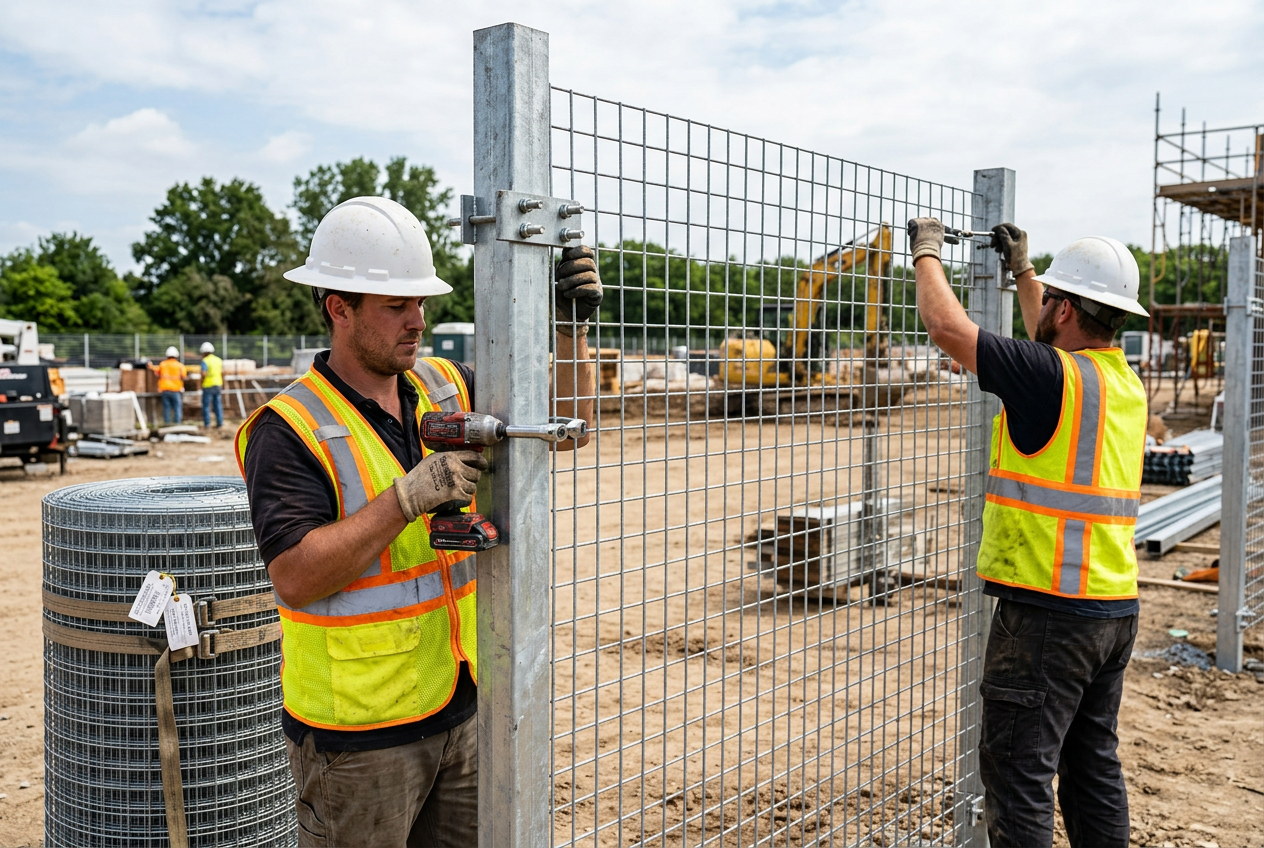
Set posts, fix rolls or panels, tension the run, and protect welds to get the full service life from a welded wire garden fence.
Installing a Welded Wire Garden Fence
Set and align posts
Place end, corner, and line posts at 2.5-3.0 m centers, plumb them, and set them firmly before fixing any welded wire mesh.
Fix rolls or panels
Tension rolls evenly along the run and staple or tie at every post. For panels, bolt at top, middle, and bottom to the post faces.
Join sections and add gates
Overlap or butt roll ends on a post, and fit gates with braced posts so the garden fence stays square under daily use.
Check welds and finish
Inspect every intersection after installation and touch up any scratched coating with zinc-rich paint to stop rust before it starts.
Welded Wire Garden Fence Packing for Export
Packing keeps rolls tight and coatings undamaged through transit and receiving inspection.
Rolls compressed and wrapped
Each garden fence roll is compressed, tied, and wrapped in waterproof paper with edge guards so openings and coating survive handling.
Palletized for container loading
Rolls stand on pallets or pack in bundles sized to the container plan, with edge protection against forklift damage.
Label by specification
Every package carries mesh opening, wire diameter, coating, dimensions, quantity, and production lot.
Certificates on request
Material certificates and zinc coating reports accompany the shipment when ordered; SGS, BV, or TUV inspection is available.
Share destination details
State destination port, trade term, and inspection requirements, and we plan packing to the container plan.
Factory QC before shipment
Every lot passes wire inspection, welding, galvanizing, and final inspection with AQL sampling before packing.
Welded Wire Garden Fence in Service
Use scenarios show how opening, wire, and coating change by duty; they are not customer claims.
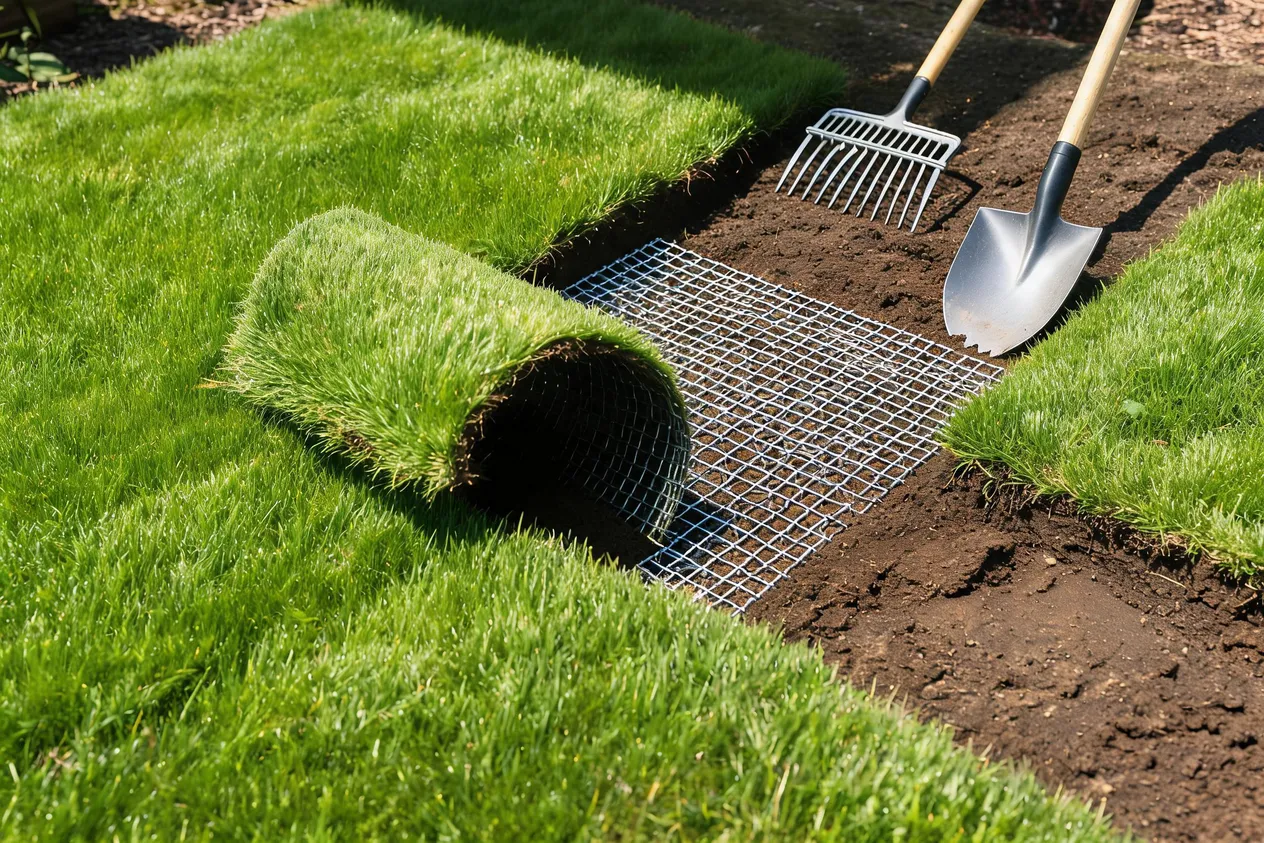
Vegetable plot boundary
50x50 mm hot-dip galvanized garden fence at 1.0 m high around a kitchen garden, keeping rabbits and poultry out while crops get full sun.
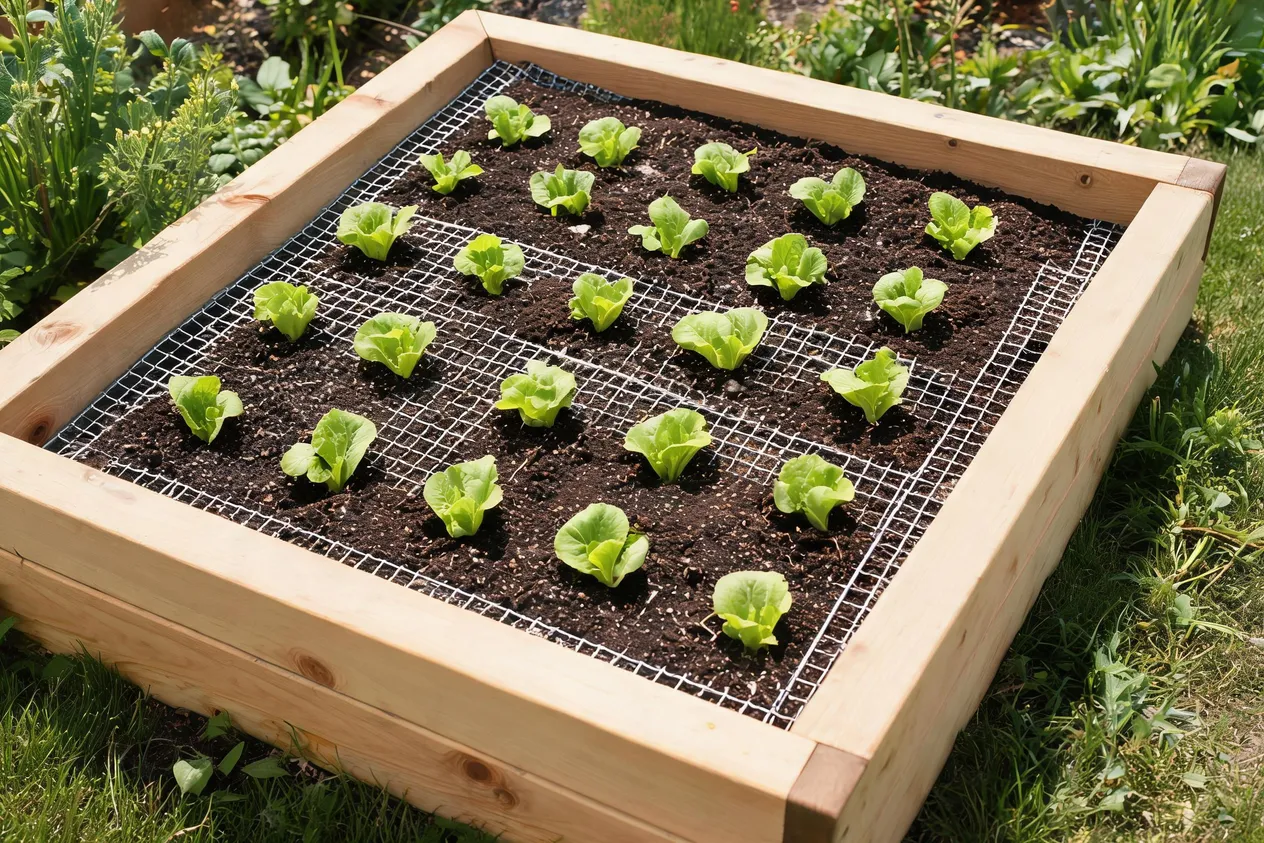
Flower bed border
Black PVC-coated welded wire garden fence at 0.9 m framing ornamental beds, defining the edge without blocking the view.
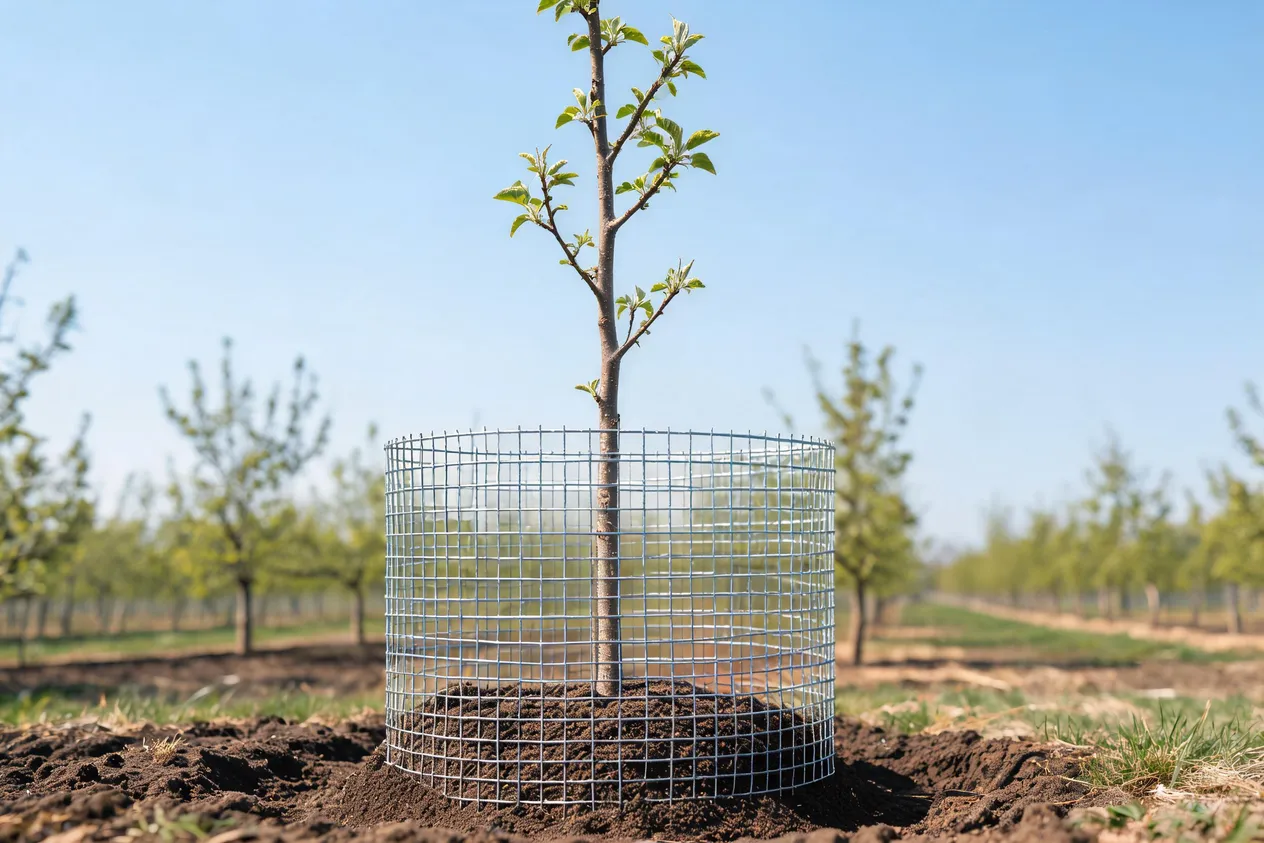
Poultry and pet run
50x50 mm welded wire mesh run at 1.2 m high for chickens and small pets, with a rigid mesh that contains animals and stays square.
Deer-excluded garden
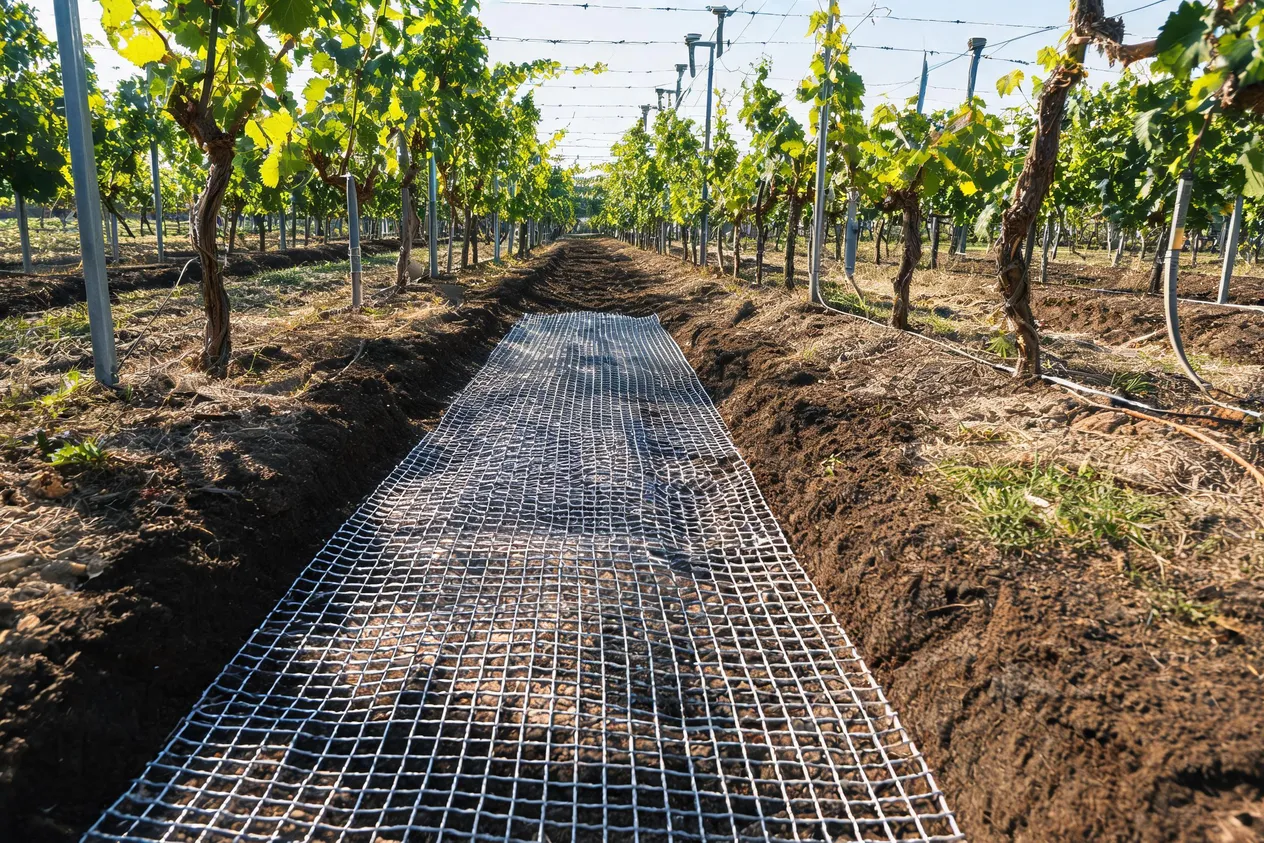
1.5 m hot-dip galvanized garden fence with 75x75 mm openings and a top wire around a deer-prone garden, keeping damage off young plants.
Welded Wire Garden Fence Sourcing Resources
Compare welded wire mesh products, related fencing, and standards. Confirm the coating class and standard edition before ordering.
Last updated: 2026-09-09
Related pages
Reference standards
Welded Wire Garden Fence FAQ
Common procurement questions about openings, gauges, coatings, and ordering welded wire garden fence.
Still have questions about welded wire garden fence?
Send your opening, wire diameter, coating route, height, and quantity. Our sourcing team replies with a specification-led review.
Request a QuoteRequest Welded Wire Garden Fence Pricing
Send opening, wire diameter, coating type and class, height and format, quantity, application, and destination for a specification-led sourcing review. Our team replies with matched garden fence options and a factory quote.
Your details stay private. We reply with a matched factory quote — no spam.