1/2 Inch Wire Mesh: Galvanized & Stainless Options
Specify 1/2 inch wire mesh with a 12.7 mm square opening, the right wire diameter, corrosion protection, roll size, and application. Compare galvanized, PVC-coated, and stainless options before requesting a factory quote.
View SpecificationsHow to Specify 1/2 Inch Wire Mesh Correctly
A 1/2 inch wire mesh request identifies the clear opening only. To receive comparable quotations, state the opening in inch and millimetres, wire diameter, material or coating route, roll or panel size, quantity, and service environment. Do not use gauge alone: gauge tables vary by material and supplier.
1/2 in × 1/2 in square clear opening (12.7 × 12.7 mm)
Commonly 0.63–1.02 mm; confirm the finished diameter after coating
About 23–19 gauge, but purchase by millimetres rather than gauge alone
Galvanized steel, PVC-coated galvanized steel, or stainless steel 304 / 316
Rolls, panels, or cut-to-size pieces with the edge and packing specified
Select one or more specifications. Your choices will be included in the quote request.
0 specs selected
| RFQ item | What to state | Why it matters | Example for 1/2 inch wire mesh | |
|---|---|---|---|---|
| Clear opening | Inside-face opening in inch and mm | Prevents confusing opening size with wire centre spacing | 1/2 in × 1/2 in (12.7 × 12.7 mm) square opening | |
| Wire diameter | Nominal finished diameter and tolerance | Controls strength, open area, weight, and price | 0.80 mm finished wire, measured after zinc coating | |
| Construction | Resistance-welded square mesh | Distinguishes hardware cloth from woven cloth or hexagonal poultry netting | Welded wire mesh, uniform square pattern | |
| Material / finish | GBW, GAW, PVC over zinc, 304, or 316 | Sets corrosion resistance and expected service life | Hot-dip galvanized after welding for outdoor animal enclosures | |
| Roll or panel | Width, length, edge condition, and quantity | Determines manufacturing, freight, and handling | 1 m × 30 m roll, trimmed edges, 50 rolls | |
| Application | Environment, animal size, pest, guard, or filter duty | Ensures the mesh is strong enough and corrosion route is suitable | Garden bed rodent barrier in wet soil |
Common 1/2 Inch Wire Mesh Supply Options
These are common sourcing ranges, not a universal stock commitment. Wire diameter, coating mass, width, roll length, and finished opening tolerance must be confirmed in the quotation.
| Construction and finish | Typical finished wire diameter | Approx. gauge | Common form | Typical use | |
|---|---|---|---|---|---|
| Electro galvanized welded mesh | 0.63–0.80 mm | 23–21 ga | Narrow rolls and 1 m rolls | Hardware cloth, vents, crafts, dry-area pest screens | |
| Galvanized wire before welding (GBW) | 0.80–1.02 mm | 21–19 ga | Rolls | Economical cages and general barriers where weld exposure is acceptable | |
| Galvanized after welding (GAW) | 0.80–1.02 mm | 21–19 ga | Rolls and cut panels | Outdoor enclosures, garden barriers, and damp service | |
| PVC-coated galvanized mesh | 1.20–1.60 mm overall | Core and jacket specified separately | Green or black rolls | Decorative, agricultural, and longer-life perimeter use | |
| 304 / 316 stainless welded mesh | 0.63–1.00 mm | 23–19 ga | Rolls, panels, and cut pieces | Washdown, food-adjacent, coastal, and corrosion-sensitive duty |
Weight Guide for 1/2 Inch Wire Mesh
Theoretical bare-steel weight is for planning freight only. It assumes equal wire diameter in both directions; zinc, PVC, aperture tolerance, and roll packing change the shipped weight. Confirm the packing-list weight before booking freight.
| Clear opening | Wire diameter | Theoretical bare-steel weight | Approx. 1 m × 30 m roll | |
|---|---|---|---|---|
| 1/2 in × 1/2 in | 0.63 mm | 0.39 kg/m² | 12 kg | |
| 1/2 in × 1/2 in | 0.80 mm | 0.62 kg/m² | 19 kg | |
| 1/2 in × 1/2 in | 1.02 mm | 1.01 kg/m² | 30 kg |
Where 1/2 Inch Wire Mesh Works Best
The small square opening makes 1/2 inch wire mesh useful where airflow and visibility are needed but insects, rodents, small animals, or loose material must be controlled. Select wire diameter and finish for the real duty rather than the opening alone.
1/2 Inch Wire Mesh for Garden and Rodent Barriers
Use 1/2 inch wire mesh below raised beds, around compost bins, and at low fence sections to block many rodents while allowing drainage. Choose hot-dip galvanized or stainless when the mesh stays in wet soil.
1/2 Inch Wire Mesh for Small-Animal Enclosures
Half inch wire mesh helps contain chicks and small pets and reduces access for many predators. Confirm the animal, local threat, frame spacing, and wire diameter before treating it as a security barrier.
1/2 Inch Wire Mesh for Guards and Ventilation
Welded 1/2 inch wire mesh protects fans, vents, light-duty guards, and equipment enclosures while preserving air passage. Evaluate impact, pinch-point, and regulatory safety requirements separately.
1/2 Inch Wire Mesh for Storage and Shelving
The uniform grid suits lightweight baskets, cabinet inserts, retail displays, and warehouse separators. Heavier wire or a framed panel is needed when the mesh carries load.
1/2 Inch Wire Mesh for Repair and Craft Work
Galvanized 1/2 inch hardware cloth can support small repairs, hobby projects, and non-structural backing. It is not a substitute for specified concrete reinforcement or engineered lath.
1/2 Inch Wire Mesh for Screening and Containment
Use the 12.7 mm opening for coarse material retention, protective screens, and parts containment where particle shape and impact loads have been checked.
Choose the Right 1/2 Inch Wire Mesh Finish
The same 1/2 inch opening performs differently once its coating, weld route, and wire grade change. Begin with the environment and expected life, then compare price.
Electro Galvanized 1/2 Inch Wire Mesh
A bright, economical zinc finish for indoor, dry, and short-term outdoor applications. It is commonly selected for light 1/2 inch wire mesh rolls, but needs protection from persistent moisture.
GBW and GAW 1/2 Inch Wire Mesh
GBW uses zinc-coated wire before welding, so weld locations have less zinc protection. GAW coats the fabricated mesh after welding and is generally the stronger option for exposed outdoor service.
PVC-Coated 1/2 Inch Wire Mesh
A polymer jacket over galvanized steel adds colour and a second weather barrier. Specify core wire diameter, finished diameter, jacket thickness, colour, and UV expectation rather than simply ordering green mesh.
Stainless 1/2 Inch Wire Mesh
Stainless 304 fits many clean or general corrosion applications; 316 is better suited to chlorides, salt air, and more demanding chemical exposure. Ask for the grade and material certificate when traceability matters.
How to Select 1/2 Inch Wire Mesh for Your Project
A complete 1/2 inch wire mesh specification converts quickly into a comparable quote and avoids an unsuitable low-cost substitute. Start with what the mesh must stop, support, or survive.
Confirm that 1/2 inch means a square opening
Write 1/2 in × 1/2 in or 12.7 × 12.7 mm. This avoids confusion with 1 in × 2 in rectangular welded mesh, 1/2 inch hexagonal chicken wire, or a 1/2 inch wire diameter.
Specify diameter in millimetres
For light-duty 1/2 inch welded wire mesh, 0.63–1.02 mm is common. Gauge is only a reference because gauges differ by material and market; the millimetre value controls the quotation.
Match corrosion protection to the environment
Use electro zinc for dry indoor use, GAW or suitable PVC over zinc for prolonged weather, 304 for many hygienic or general-corrosion duties, and 316 for chloride exposure. No finish makes a light wire into a structural fence.
Choose a roll, panel, or fabricated piece
Rolls are efficient for continuous barriers and fabricators. Panels stay flatter for guards and cages. Share width, length, edge style, frame details, and quantity so packing and freight are realistic.
Check the application-specific risk
Pest, animal, safety, and impact requirements vary. Describe the animal or pest, expected pressure, mounting method, and local regulations; the supplier can then recommend a practical wire size and finish.
Request proof for critical orders
For corrosion-sensitive or controlled projects, request samples, measured opening and wire records, coating or grade evidence, photographs of welds, and an agreed inspection point before final dispatch.
Avoid These 1/2 Inch Wire Mesh Purchasing Errors
Most re-quotes come from missing details rather than from the mesh opening itself. These checks make the order clearer for both buyer and supplier.
Ordering by gauge alone
A stated 19 gauge can be interpreted differently. Put the nominal wire diameter in millimetres and say whether it is core wire or finished coated wire.
Treating GBW and GAW as identical
Both may be called galvanized, yet their weld protection differs. State galvanized before welding or galvanized after welding when outdoor durability is important.
Ignoring the clear opening
Pitch measured wire-centre to wire-centre is not the same as the open space. State the 12.7 mm clear opening and the permitted tolerance.
Skipping packaging and edge details
Fine rolls can flatten and cut panels can have sharp edges. Confirm core support, waterproof wrapping, roll labels, panel protection, and whether edges need trimming or framing.
Benefits of 1/2 Inch Welded Wire Mesh
1/2 inch wire mesh balances a compact opening with good airflow, visibility, and roll handling. The right material route determines whether those benefits last in the actual environment.
Uniform 1/2 Inch Wire Mesh Openings
Resistance-welded intersections hold a repeatable 12.7 mm grid for barriers, guards, and containment.
1/2 Inch Wire Mesh Corrosion Routes
Specify zinc, PVC over zinc, 304, or 316 according to cost, moisture, washdown, chloride exposure, and target service life.
Easy-to-Frame 1/2 Inch Wire Mesh
Light 1/2 inch wire mesh can be cut to panels, baskets, guards, and small enclosures with suitable tools and safe edge treatment.
Efficient 1/2 Inch Wire Mesh Roll Supply
Standard-width rolls reduce waste for continuous runs; custom lengths and panels can simplify fabrication where repeat cuts are needed.
Predictable 1/2 Inch Wire Mesh Freight
Opening, wire diameter, roll size, and theoretical weight give a practical starting point for container planning and receiving checks.
1/2 Inch Wire Mesh Cost Matched to Duty
A light electro-galvanized roll can serve a dry indoor task, while GAW or stainless avoids premature replacement in a wet or corrosive location.
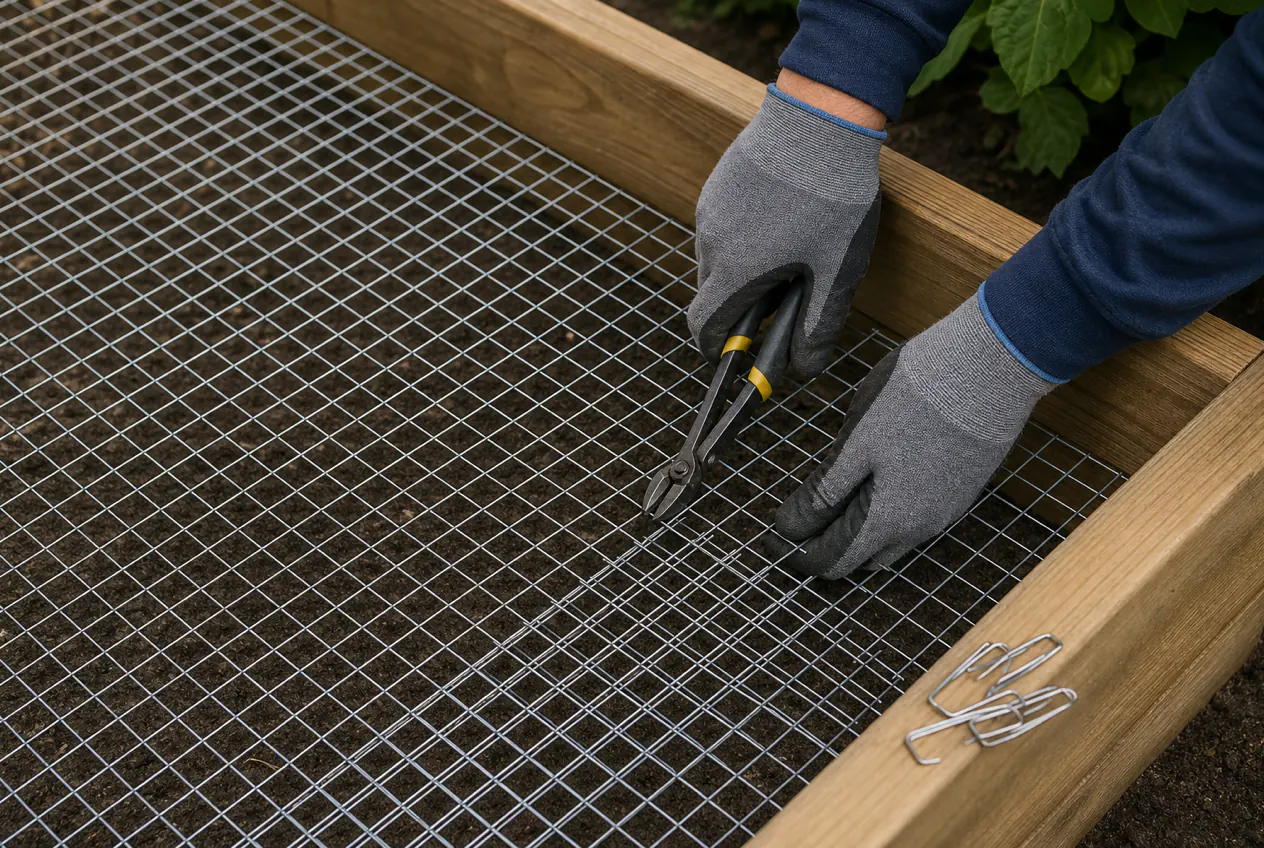
Work to the project safety plan. Treat cut ends as sharp, protect the finish during installation, and use a frame or fasteners suitable for the load and environment.
Installing 1/2 Inch Wire Mesh
Inspect before cutting
Compare the delivered roll label, opening, wire diameter, finish, width, and quantity against the purchase order. Photograph visible transit damage before unpacking fully.
Plan the support and overlap
Mark the frame, posts, or backing so the mesh is supported at the required spacing. Overlap or bind joints where the application requires a continuous barrier.
Cut along wire lines and protect edges
Use appropriate cutters, gloves, and eye protection. Trim projecting wire ends or cover them with edging, a frame, or another approved finish for the application.
Fix without damaging the finish
Use compatible clips, staples, ties, or fasteners. Avoid scraping zinc or PVC unnecessarily; repair exposed galvanized areas only where the project specification permits.
Export Packing for 1/2 Inch Wire Mesh
Packing should protect the roll shape, coating, labels, and inspection access from the factory through receiving. Give destination and handling details in the RFQ.
Supported roll cores
Rolls can ship on suitable cores with tied ends to reduce crushing and telescoping during handling.
Moisture protection
Waterproof paper, plastic film, woven bags, or pallet wrapping can be selected for route and container conditions.
Clear bundle labels
Mark each roll or pallet with the opening, wire diameter, finish, dimensions, quantity, gross weight, and purchase-order reference.
Flat-pack cut panels
Protect stacked panels with separators, edge guards, and pallet or case packing where flatness and finish are important.
Confirm shipping instructions
State destination port, trade term, container plan, required documents, inspection needs, and any customer shipping marks before production is packed.
1/2 Inch Wire Mesh in Practical Use
These examples show how the same opening needs a different finish, wire size, and support arrangement by environment. They are specification examples, not customer claims.
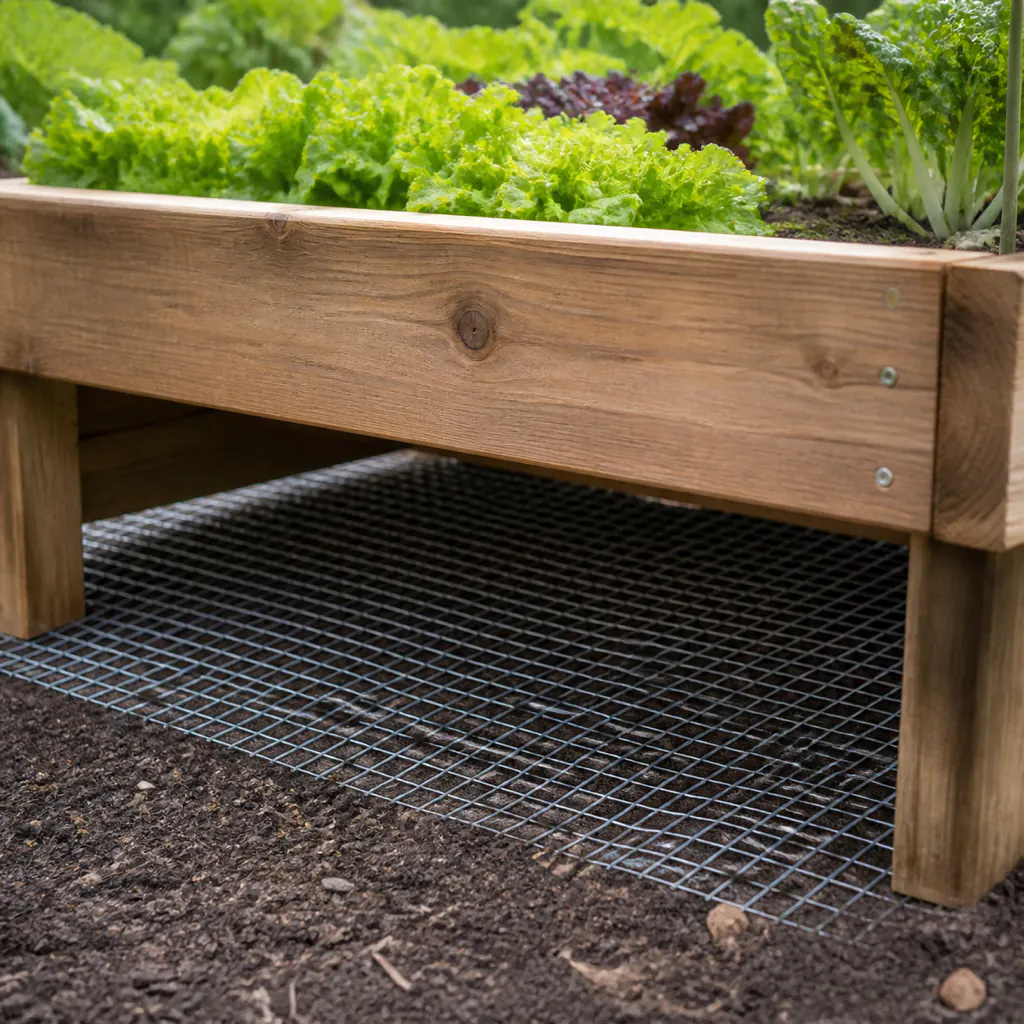
1/2 Inch Wire Mesh Raised-Bed Barrier
GAW 1/2 inch wire mesh is cut beneath a garden bed, with overlaps tied and edges turned safely into the frame. The coating route is selected for prolonged contact with damp ground.
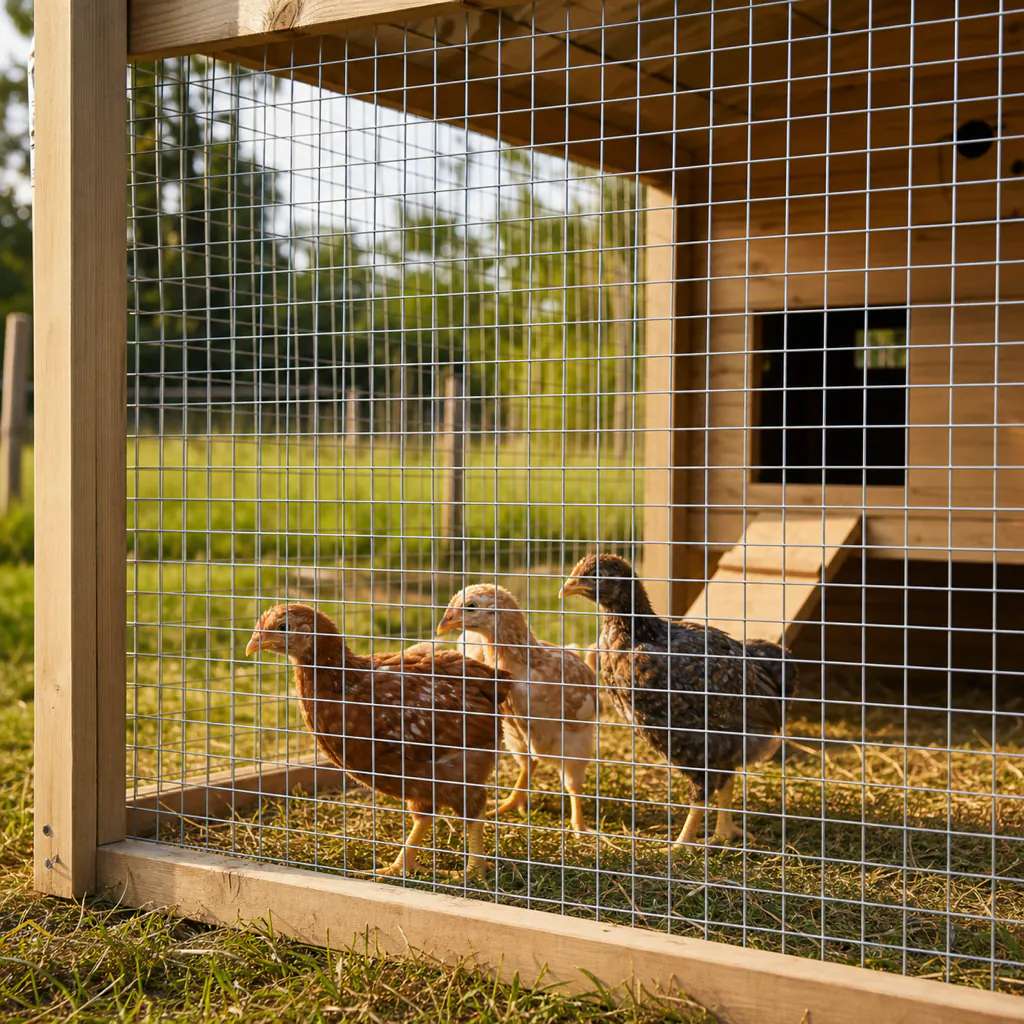
1/2 Inch Wire Mesh Poultry Divider
A light galvanized half inch wire mesh panel provides a visible divider for small birds, while the buyer confirms local predator pressure and specifies a stronger perimeter system where needed.
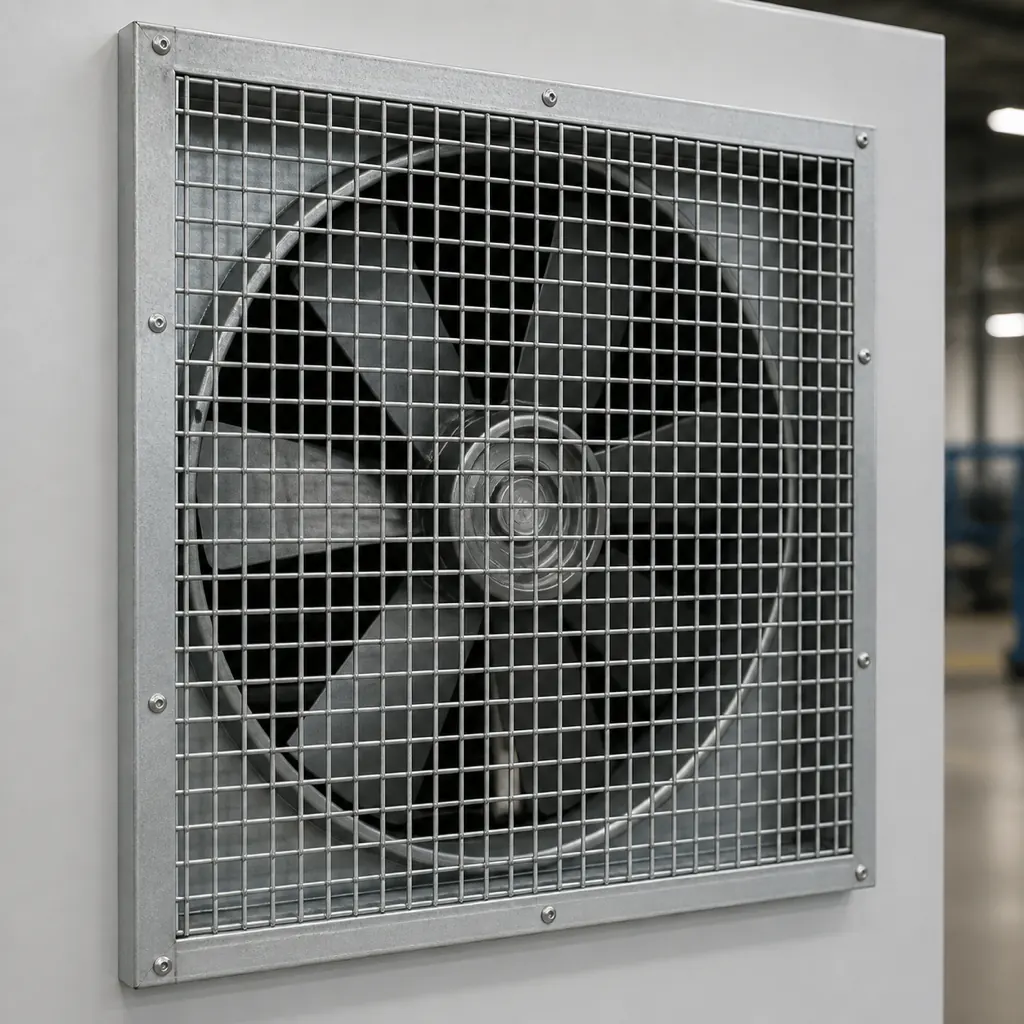
1/2 Inch Wire Mesh Vent Guard
A framed 1/2 inch welded wire mesh guard keeps hands and debris away from a ventilation opening while preserving airflow. The final design follows the machine safety assessment.
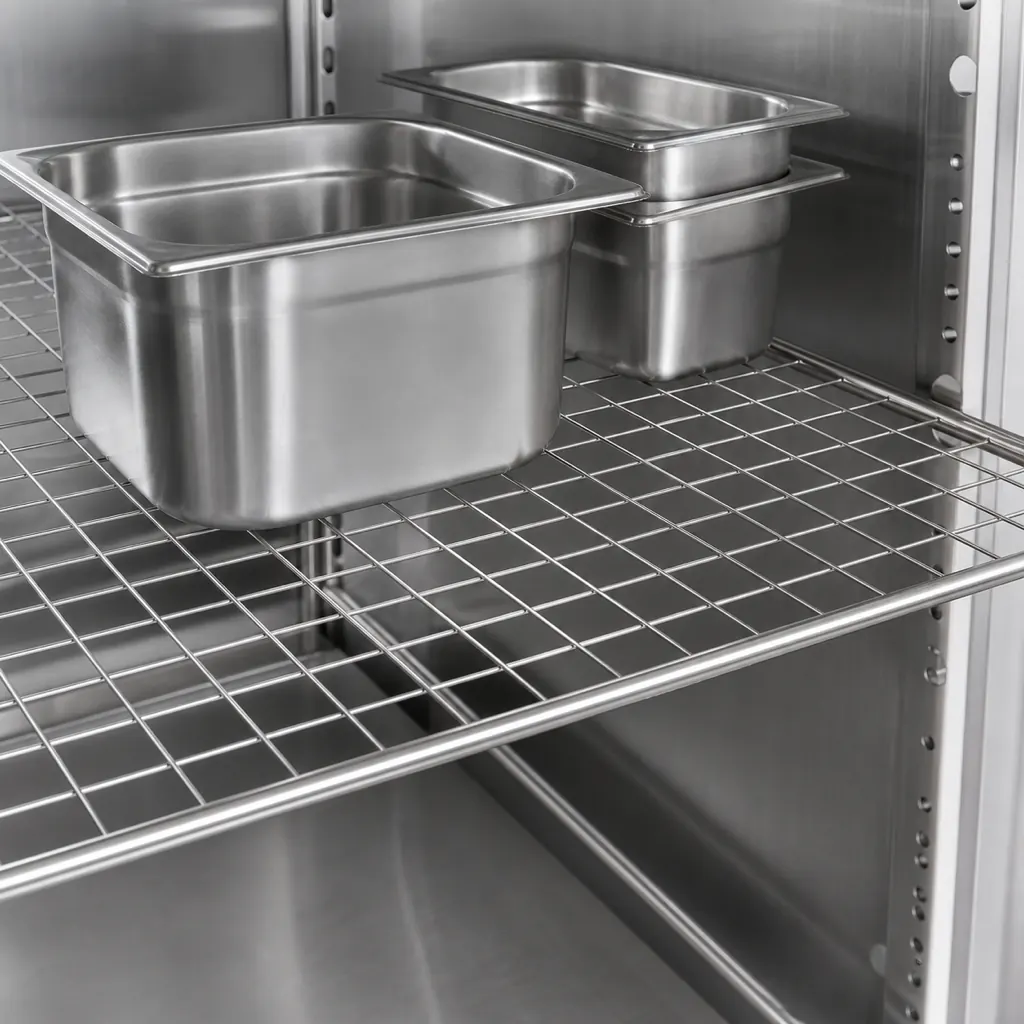
Stainless 1/2 Inch Wire Mesh Storage Insert
A stainless steel 1/2 inch wire mesh insert is supplied to a cabinet fabricator where frequent cleaning and corrosion resistance justify a higher material cost than zinc-coated steel.
1/2 Inch Wire Mesh References
Use these related pages and standards to refine the specification. Confirm the applicable edition and project requirements before placing an order.
Last updated: 2026-08-13
Related pages
Reference standards
Questions About 1/2 Inch Wire Mesh
Common questions about opening size, gauge, coatings, applications, and ordering half-inch welded wire mesh.
Need help specifying 1/2 inch wire mesh?
Send the opening, wire diameter, finish, dimensions, quantity, application, and destination. We will return a specification-led sourcing response.
Request a QuoteRequest 1/2 Inch Wire Mesh Pricing
Send your 12.7 mm opening, wire diameter, coating or stainless grade, roll or panel size, quantity, application, destination, and target delivery date for a specification-led quote.
Your details stay private. We reply with a matched factory quote — no spam.