Perforated Metal Mesh Sheets, Panels & Custom Cut Sizes
Source perforated metal mesh in sheets, panels, coils, or custom cut sizes. Compare hole size, pattern, sheet thickness, open area, material, and finish before requesting a quote.
View SpecificationsPerforated Metal Mesh Specifications to Confirm
A perforated metal mesh is defined by hole size, hole pattern, sheet thickness, and open area. State all four plus material, sheet dimensions, quantity, and application.
Round holes from 0.5 mm to 100 mm; square and slotted holes to drawing
Staggered (60 degree), straight rows, square pitch, or custom layout
0.3 mm light sheets through 12 mm heavy plate, matched to hole size
Typically 10% to 60% of sheet area depending on pattern and pitch
Stainless steel 304 or 316, galvanized steel, aluminum, or low-carbon steel
| Spec item | What to state | Why it matters | RFQ note | |
|---|---|---|---|---|
| Hole size and pattern | Hole diameter or opening, pitch, and row arrangement | Controls screening, airflow, and appearance | State nominal hole size and whether rows are staggered or straight. | |
| Sheet thickness | Gauge or thickness in millimeters | Determines strength, stiffness, and cost | Keep the thickness-to-hole ratio within the punching limit. | |
| Open area | Hole size and pitch combination | Predicts ventilation, light passage, and screening efficiency | Staggered round holes: (pi / 4) x (hole / pitch)^2 x 100%. | |
| Material and finish | Grade, coating, or anodizing | Matches corrosion and temperature exposure | Describe the service environment and any finish requirement. | |
| Sheet and panel size | Width, length, quantity | Determines cutting, handling, and packing | Standard sheets are 1 m x 2 m or 4 ft x 8 ft; coils available for stamping. | |
| Edge condition | Deburred, trimmed, or framed edges | Affects safety, fit, and installed appearance | Specify deburring if edges will be handled or exposed. | |
| Flatness and tolerance | Flatness grade and hole tolerance | Affects stacking, fabrication, and acceptance | State hole tolerance and flatness limit for painted or coated panels. | |
| Common stock sizes | Popular hole and thickness combinations | Fast delivery for standard duties | Ask for the stock list; common sizes ship faster. | |
| Acoustic design | Perforation ratio, hole size, backing cavity, NRC target | Tunes sound absorption for acoustic perforated metal mesh panels | Share the target NRC and backing depth so hole size and open area are engineered, not guessed. | |
| Batch consistency | Hole tolerance, surface finish, and color across batches | Keeps decorative perforated metal mesh panels visually uniform | For facades and interiors, state acceptable batch variation and request pre-production samples. | |
| Quality acceptance | Hole size inspection, burr check, material certificate | Incoming inspection on delivery | Request mill certificate and pre-shipment inspection report. |
Where Perforated Metal Mesh Is Used
Choose perforated metal mesh by duty: open area for airflow and acoustics, hole size for screening, and thickness for strength.
Acoustic panels and sound absorption
Perforated metal mesh facings on acoustic cores control echo in offices, studios, and halls.
Filtration and screening
Accurate round or square holes for sifting, straining, and size separation in process lines.
Architectural facades and cladding
Decorative perforated metal panels shade, ventilate, and dress building facades and ceilings.
Ventilation and machine guards
Perforated metal mesh covers let air flow while protecting fans, motors, and personnel.
Shelving and storage systems
Rigid perforated panels for warehouse shelving, bins, and display fixtures.
Food and agricultural processing
Hygienic stainless steel perforated sheets for drying trays, graders, and wash lines.
Perforated Metal Mesh Types and Patterns
Each perforated metal mesh pattern serves a different duty. Compare round, square, slotted, and custom patterns before you specify.
Round hole perforated metal sheets
The most common pattern, with staggered round holes for balanced strength, open area, and cost.
Square hole perforated metal panels
Straight-edged openings for rectangular screening and architectural grid effects.
Slotted hole perforated metal mesh
Elongated openings that maximize open area and suit ventilation and grading duties.
Custom and decorative patterns
Logo, geometric, and micro-perforated designs for architectural and acoustic work.
How to Select a Perforated Metal Mesh
Start with the duty, then specify hole size, pattern, thickness, material, quantity, and packing. A complete perforated metal mesh RFQ avoids assumptions.
By hole size and pattern
Define what must pass or be retained. State hole diameter or opening, pitch, and row arrangement together.
By open area
Higher open area gives more airflow, light, and sound absorption but less material to carry load. Match it to the duty.
By material and exposure
Choose stainless steel perforated metal mesh for corrosion, food, or coastal use. Galvanized and aluminum suit lighter duties at lower cost.
By sheet thickness
Thicker sheets carry heavier loads and resist impact. Keep the thickness-to-hole ratio within the punching limit of the material.
Sheets, panels, or custom cut
Standard sheets suit shelving and guards. Panels and custom cut sizes suit frames, facades, and assemblies.
Perforated metal mesh or expanded metal?
Perforated metal mesh offers controlled hole geometry and higher open area; expanded metal is a one-piece, low-cost alternative for guards and walkways.
Perforated metal or wire mesh screen?
Perforated metal mesh suits impact, abrasion, and rigid panels; wire mesh screen gives finer apertures and higher open area for screening and filtration.
By fabrication and finish
Deburring, painting, anodizing, and framing add cost but extend life. State the final finish so the quote matches the installed product.
By acoustic performance targets
For acoustic work, state the NRC target, hole size, perforation ratio, and backing cavity depth so the perforated metal mesh panels are engineered to the room, not guessed.
By budget and freight weight
Low open area means heavier sheets and higher freight, and custom tooling adds a one-off charge. Compare stock patterns against custom perforated metal mesh to balance unit cost and lead time.
Why Buyers Choose Perforated Metal Mesh
Strength, airflow, and appearance in one material. The right perforated metal mesh specification removes rework, corrosion, and changeouts.
Strength with open area
Perforated metal mesh keeps most of the sheet's rigidity while adding ventilation and light passage.
Lightweight and rigid
Lighter than solid plate at equivalent strength, with predictable stiffness for panels and guards.
Fully custom patterns
Specify hole size, pitch, pattern, and edge finish to your drawing for a made-to-order result.
Broad application range
One product form serves acoustics, screening, architecture, ventilation, and storage.
Controlled airflow and acoustics
Open area and pattern tune air movement and sound absorption for engineered performance.
Cost efficient at volume
Tooled patterns and standard sheets keep unit cost low. Bulk perforated metal mesh orders spread the punching cost further.
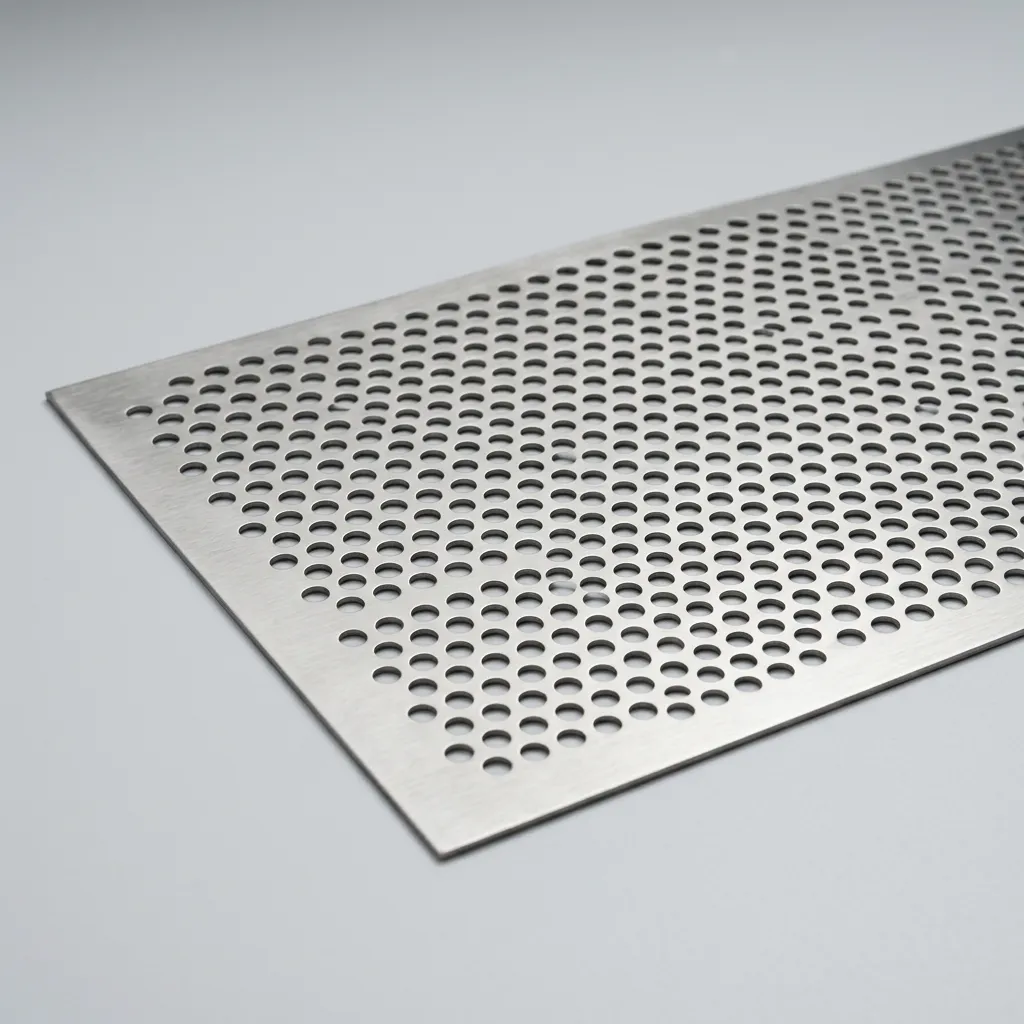
Plan for sharp edges, flatness, and frame support. Follow project safety requirements.
Perforated Metal Mesh Handling and Installation
Check the delivered specification
Compare hole size, pattern, thickness, material, and quantity against the order before cutting.
Cut and deburr edges
Cut with shears or a saw and deburr exposed edges so panels handle safely in service.
Support panels evenly
Fix perforated metal mesh panels on frames or rails with evenly spaced fasteners to keep them flat.
Space fasteners for large panels
Wide fastener spacing lets large perforated metal mesh panels bow and drum. Support big sheets on frames with closely spaced, evenly torqued fixings.
Match fixing to the duty
Use screws, rivets, or welding that suits load, vibration, and corrosion exposure.
Perforated Metal Mesh Packing for Export
Perforated metal mesh packing protects edges, finishes, and flatness during transit and inspection.
Flat sheets in wooden cases
Sheets and panels pack flat in wooden crates or on pallets with interleaving paper and edge protection.
Coils on wooden spools
Perforated coils ship on sturdy spools wrapped in waterproof paper and protective sheeting.
Bundle by specification
Separate and label hole sizes, patterns, thicknesses, and materials to speed receiving checks.
Provide shipping marks
Include order, item, quantity, weight, destination, and inspection marks.
Share destination details
State destination port, trade term, container plan, and delivery constraints.
Perforated Metal Mesh Project Uses
Use scenarios show how specifications change by function; they are not customer claims.
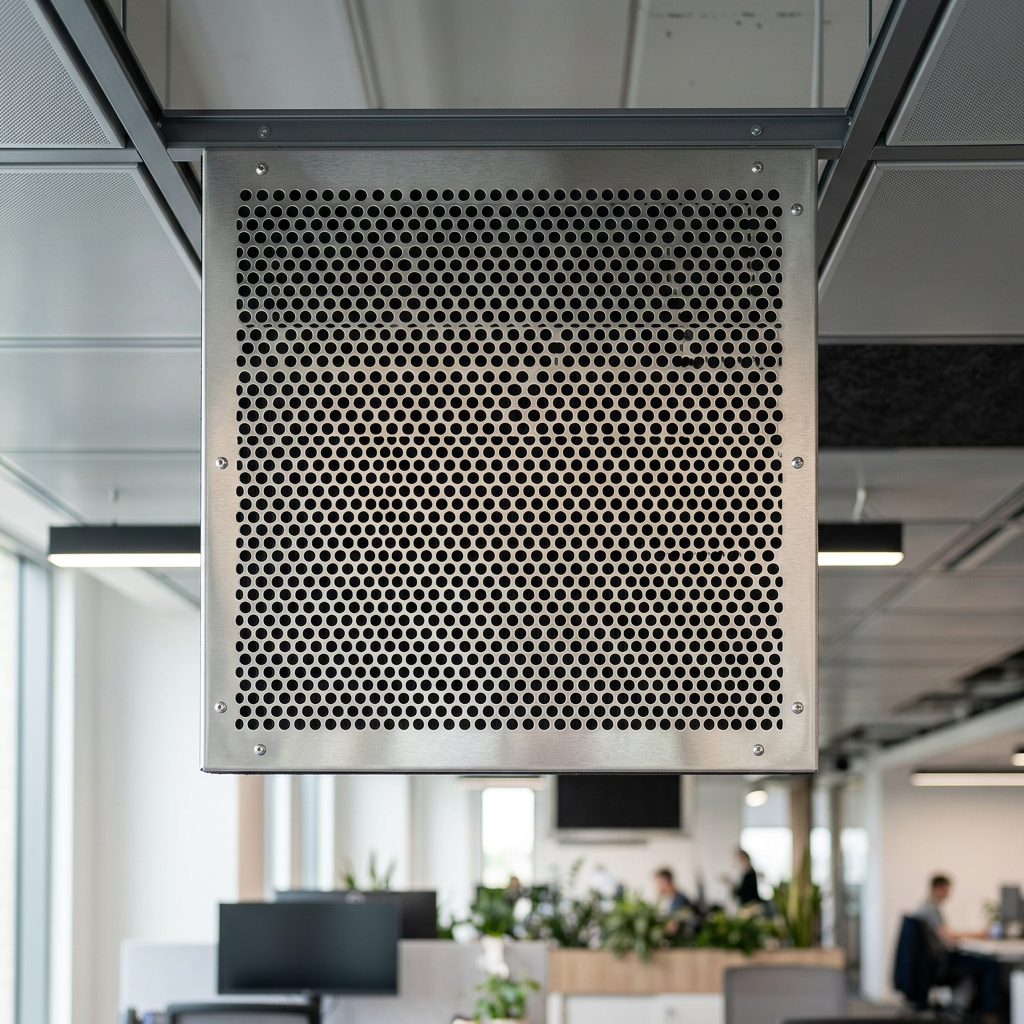
Acoustic ceiling panel line
Fine-hole perforated metal mesh facings over acoustic cores for office and studio sound control.
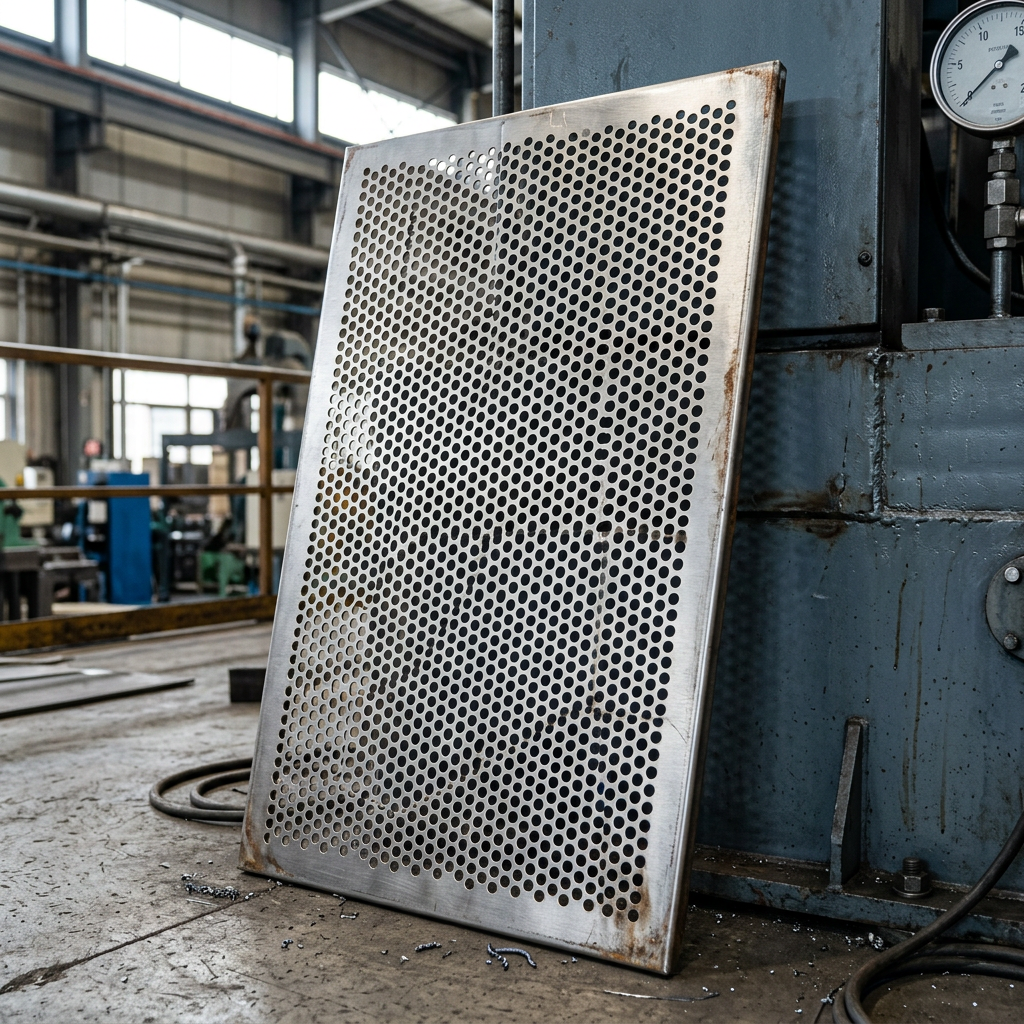
Industrial filtration screen
Round hole perforated steel sheets matched to grain or product size for process separation.

Architectural facade cladding
Custom-pattern perforated metal panels selected for shade, ventilation, and visual effect.
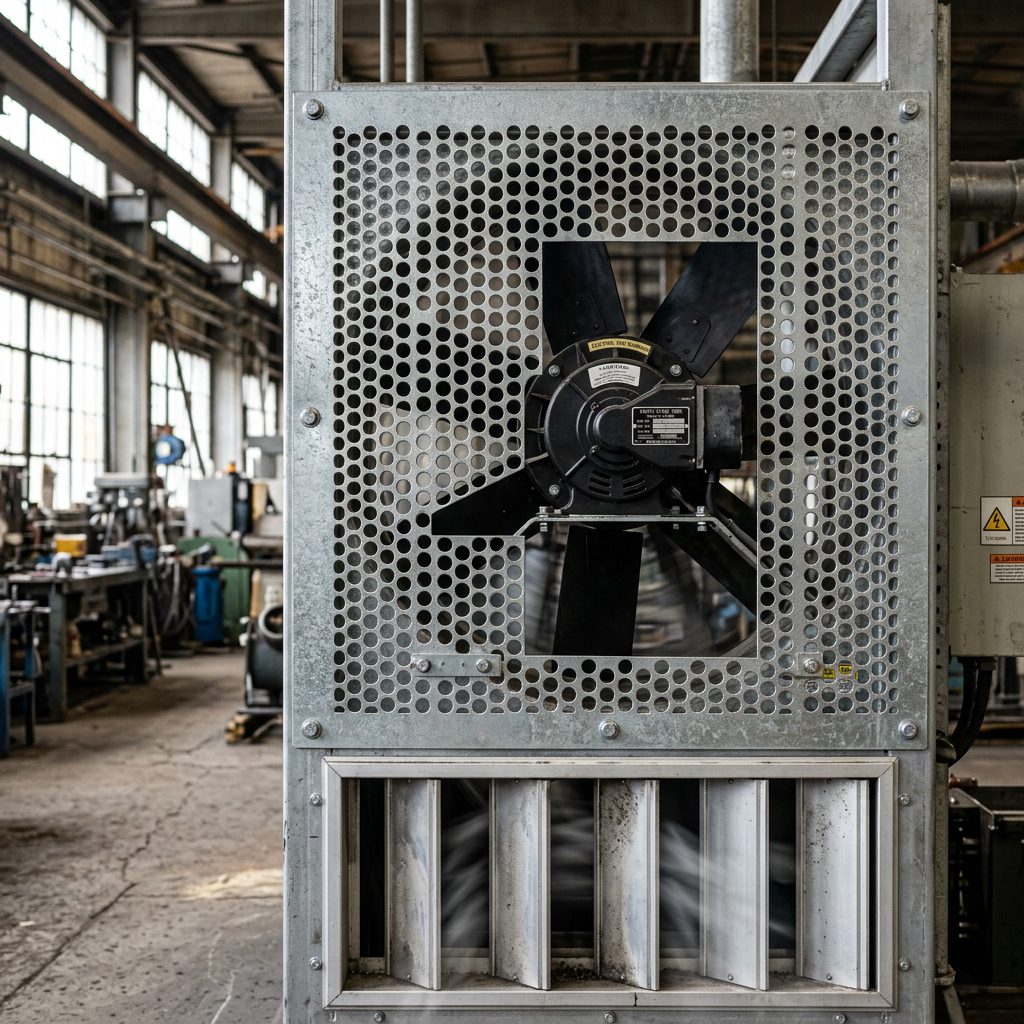
Ventilation and guard covers
Galvanized perforated metal mesh covers protecting fans and machinery while allowing airflow.
Perforated Metal Mesh Sourcing Resources
Compare perforated products and industry references. Confirm tolerances and project requirements before ordering.
Last updated: 2026-08-07
Related pages
Reference standards
Perforated Metal Mesh FAQ
Common procurement questions about perforated metal mesh specifications, patterns, and ordering details.
Still have questions about perforated metal mesh?
Send your hole size, pattern, thickness, material, and quantity. Our sourcing team replies with a specification-led review.
Request a QuoteRequest Perforated Metal Mesh Pricing
Send your perforated metal mesh hole size, pattern, sheet thickness, material, dimensions, quantity, application, and destination for a specification-led sourcing review.
Your details stay private. We reply with a matched factory quote — no spam.