Rat Wire Mesh: Galvanized & Stainless Rodent-Proof Mesh Supplier
Source rat wire mesh for vents, service openings, drains, and animal facilities. Compare aperture, wire diameter, material, and roll size before requesting a specification-led quote.
View SpecificationsRat Wire Mesh Specifications
Rat wire mesh is an application name, not one fixed product. Purchase by clear opening, wire diameter, construction, material or coating, roll or panel dimensions, and the details of the opening being protected. State every dimension in millimetres as well as the reference inch size.
Welded square mesh is the usual starting point; woven wire cloth or expanded metal may be required by a project specification.
1/4 in (about 6 mm) is a conservative starting point when both rats and mice are in scope; confirm the local requirement.
Some guidance uses 1/2 in (about 13 mm) 19-gauge mesh for adult-rat screens; do not treat it as a universal mouse-exclusion specification.
Confirm the nominal wire diameter in millimetres and the applicable gauge system; gauge labels are not interchangeable.
Galvanized steel for general duty, or 304/316 stainless steel where the project requires greater corrosion resistance.
Specify roll width, roll length or panel size, plus any cut-to-size, edge, frame, or packing requirement.
| Application scope | Aperture starting point | Construction and material | Procurement note | |
|---|---|---|---|---|
| Rats and mice at vents, louvers, and service openings | 1/4 in / 6.35 mm or smaller | Welded galvanized or stainless mesh selected for the exposure | Use a smaller opening where the project must account for mice; confirm local code and the full opening detail. | |
| Adult-rat screen where the design basis permits it | Project-specific; some guidance cites 1/2 in / 12.7 mm | 19-gauge or heavier galvanized mesh where specified | Do not reuse this option as a general rat-and-mouse specification. | |
| Damp, coastal, washdown, or corrosive locations | Set by the target species and project requirement | 304 or 316 stainless steel, or a specified galvanized route | Describe the environment so corrosion resistance is assessed with the mesh geometry. | |
| Project calls for woven cloth or expanded metal | Use the drawing or local requirement | Galvanized woven wire cloth or expanded galvanized steel as specified | Confirm opening measurement method, sheet or roll form, and framing details before quoting. |
Rat and Mouse Exclusion: Aperture Context
Authoritative guidance varies by pest, building element, and jurisdiction. The entries below are a procurement starting point, not a substitute for a project specification or local code.
| Target and context | Guidance example | Buying implication | |
|---|---|---|---|
| Rats and mice at possible entry points | Hong Kong FEHD describes galvanized wire cloth or expanded metal screens with mesh no bigger than 6 mm for multiple access points. | Use about 6 mm or less when both rats and mice must be considered, then verify the actual requirement. | |
| Mice at building openings | Oregon State University recommends welded hardware cloth with 1/4-inch openings for mouse exclusion. | Do not select an adult-rat screen without checking whether mice are also in scope. | |
| Adult rats at selected windows | UC IPM cites 19-gauge, 1/2-inch galvanized wire cloth for windows near ground level. | A 1/2-inch option can be project-specific; state the pest and installation location in the RFQ. |
Rat Wire Mesh RFQ Checklist
Provide these details so a supplier can compare like with like and flag missing installation information before quotation.
| RFQ field | What to state | Why it matters | |
|---|---|---|---|
| Target pest | Rat only, or rats and mice; note local pressure if known | The target determines whether a coarser adult-rat screen is appropriate. | |
| Opening and wire | Clear aperture and nominal wire diameter in mm; gauge standard if relevant | A gauge number alone can be ambiguous. | |
| Construction and material | Welded, woven, or expanded; galvanized route or stainless grade | Defines rigidity, corrosion route, and conformance with a drawing or standard. | |
| Format | Roll or panel dimensions, cut pieces, edge finish, and quantity | Determines material yield, handling, and packing needs. | |
| Installation context | Vent, louver, drain, pipe penetration, animal facility, or other opening | Mesh must work with the frame, fasteners, grating, and sealed perimeter. | |
| Destination and documents | Destination, required inspection, markings, and requested documents | Lets the quotation reflect logistics and project documentation needs. |
Choose Rat Wire Mesh by Installation Duty
Start with the drawing or opening detail, then select a mesh construction and corrosion route that fit the site. Do not substitute a lighter netting product merely because the nominal opening looks similar.
Galvanized welded rat wire mesh
Square welded mesh for framed vents, guards, service openings, and fabricated barriers. Specify whether the project requires a galvanized-after-welding route or another defined coating route.
304 or 316 stainless rat mesh
Stainless welded or woven mesh for projects that require a bare corrosion-resistant alloy. State grade, opening, wire diameter, and finish rather than ordering by the word stainless alone.
Woven wire cloth or expanded metal screen
Alternative constructions when a local code, project drawing, or existing screen detail calls for woven cloth or expanded galvanized steel. Match the aperture measurement and frame interface to the specified system.
How to Specify Rat Wire Mesh
A defensible rat wire mesh specification starts with the entry route and the target animal, then checks mesh geometry, corrosion exposure, and the continuous installation detail.
Identify the target
State whether the barrier must address rats only or rats and mice. Do not assume one aperture serves both without checking the applicable guidance.
Describe the opening
Name the vent, louver, drain, cable entry, pipe penetration, or enclosure location and provide dimensions, photos, or a drawing where available.
Set the clear opening
Use the target pest and local rule to select the aperture. For combined rat-and-mouse concerns, about 6 mm is a conservative starting point for review.
Choose the mesh construction
Use welded square mesh for many fabricated screens, or follow the project requirement for woven cloth or expanded metal.
Confirm wire diameter
State millimetres first and identify the gauge standard only as a secondary reference, so quotes remain comparable.
Match material to exposure
Describe indoor, outdoor, wet, coastal, washdown, or chemical exposure before selecting galvanized or stainless steel.
Plan edges and fasteners
Include the frame, overlap, sealant, grating, fasteners, and perimeter detail. A mesh field does not compensate for gaps around it.
Send a complete RFQ
Add format, quantity, destination, requested documents, and inspection requirements to receive a specification-led quotation.
What a Clear Rat Wire Mesh Specification Delivers
A complete specification makes the quote easier to compare and helps the installation team see the details that determine whether the screen remains continuous.
Clear pest scope
Separating rat-only from rat-and-mouse requirements prevents an adult-rat screen from being selected for a smaller-pest problem.
Comparable quotations
Aperture, wire diameter, construction, material, and format make supplier quotations easier to compare without relying on vague product names.
Material matched to location
Documenting the exposure gives galvanized and stainless options a defined role in the project rather than treating them as interchangeable.
Installation-ready detail
Calling out frames, overlaps, fasteners, and sealed edges connects the mesh purchase to the actual entry route.
Flexible supply form
Rolls, panels, cut pieces, and fabricated screens can be compared against the opening layout and installation sequence.
More useful RFQs
A complete request lets buyers communicate application, quantity, destination, documentation, and inspection needs in one place.
Where Rat Wire Mesh Is Specified
Rat wire mesh is normally used as part of an exclusion detail around an existing opening. The surrounding frame, grating, fasteners, and seal determine the finished barrier as much as the mesh itself.
Plant-room vents and louvers
Framed mesh screens can be specified behind or over louvers where ventilation must remain open while the entry route is controlled.
Pipe, cable, and service openings
Use mesh only with a project-specific perimeter closure detail; identify the penetration geometry and access requirements in the RFQ.
Drains and surface channels
Specify the mesh with the grating and maintenance arrangement, including the opening size and corrosion conditions at the drain.
Animal and poultry facilities
Screened vents, drains, and enclosure openings require the target species, cleaning regime, and local facility rules to be considered together.
Warehouses and service rooms
Loading, utility, and storage areas often need a site-specific screen detail around vents, service penetrations, and damaged openings.
Pest-control and building contractors
Contractors and distributors can source mesh by a repeat specification while retaining site-specific responsibility for the installed exclusion detail.
Rat Wire Mesh Buying Mistakes to Avoid
The recurrent failures are normally specification or installation gaps, not a missing keyword on the purchase order.
Treating 1/2 inch as a universal rodent screen
Some guidance permits 1/2 inch for selected adult-rat applications, but it is not a general answer where mice or smaller animals are in scope.
Ordering by gauge alone
Gauge systems differ. State the nominal wire diameter in millimetres with the opening and material route.
Using light poultry netting as a substitute
A similar-looking netting product may not match the construction, rigidity, aperture, or installation detail required for a rodent screen.
Ignoring the perimeter
Unsealed edges, loose fasteners, joints, and service penetrations can defeat an otherwise suitable mesh panel.
Choosing material without exposure details
A mesh at an indoor dry vent and one at a damp coastal opening do not have the same corrosion requirement.
Blocking an opening before reviewing the condition
Where rodent activity is suspected, coordinate the exclusion detail with the site's control and maintenance plan rather than treating mesh as the entire response.
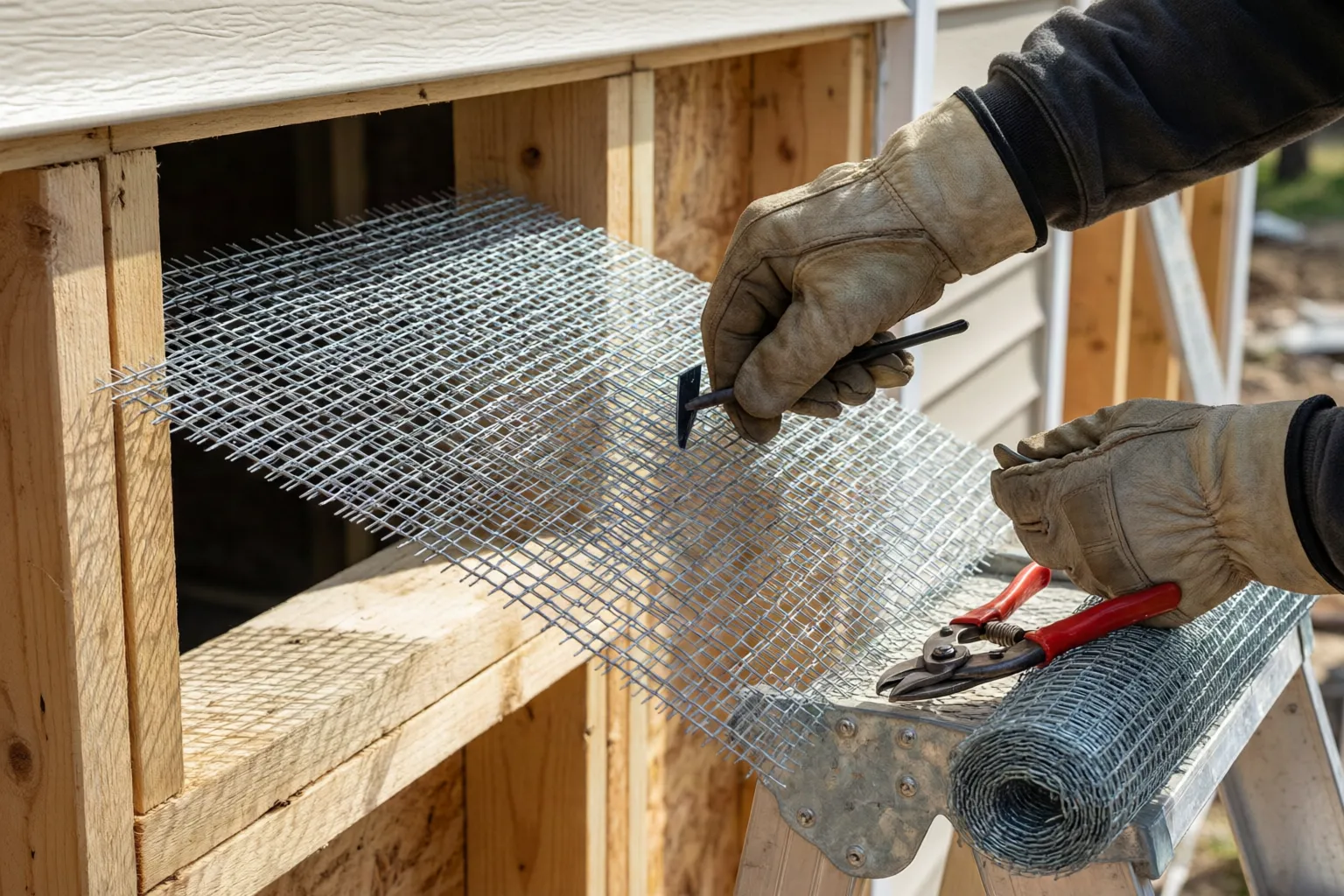
Mesh selection is only one part of the result. Use the approved project detail and coordinate it with inspection, cleaning, access, and any site control program.
Installing Rat Wire Mesh as an Exclusion Detail
Survey the complete opening
Measure the opening and inspect adjacent frames, joints, grates, pipe entries, and access needs before cutting mesh or choosing fasteners.
Confirm the specified mesh
Check the clear opening, wire diameter, construction, material, and coating or alloy against the approved detail before installation.
Create a continuous screen
Fix the mesh to a suitable frame or substrate and close the perimeter, joints, and corners according to the project detail so no separate gap remains.
Inspect and maintain
After installation, inspect for damaged mesh, loose fasteners, corrosion, and new gaps created by later building or service work.
Rat Wire Mesh Packing Requirements
State the receiving and installation plan before ordering so the packing specification protects the selected mesh and makes it traceable on arrival.
Choose roll or panel packing
State whether the order must arrive as rolls, flat panels, cut blanks, or fabricated screens, and identify any limits for handling on site.
Protect the mesh finish
Request packaging appropriate to the selected galvanized or stainless surface and the expected storage or transit exposure.
Label each specification
Ask for labels that identify opening, wire diameter, construction, material or coating route, dimensions, quantity, and lot reference.
Define packing and delivery documents
Include the required packing list, markings, inspection record, material documentation, and destination instructions in the RFQ.
Plan receiving inspection
Agree on what will be checked at receipt, including dimensions, surface condition, quantity, and any project-required documentation.
Rat Wire Mesh Specification Examples
These are application examples to show how the purchase variables change by location. They are not customer projects or performance claims.
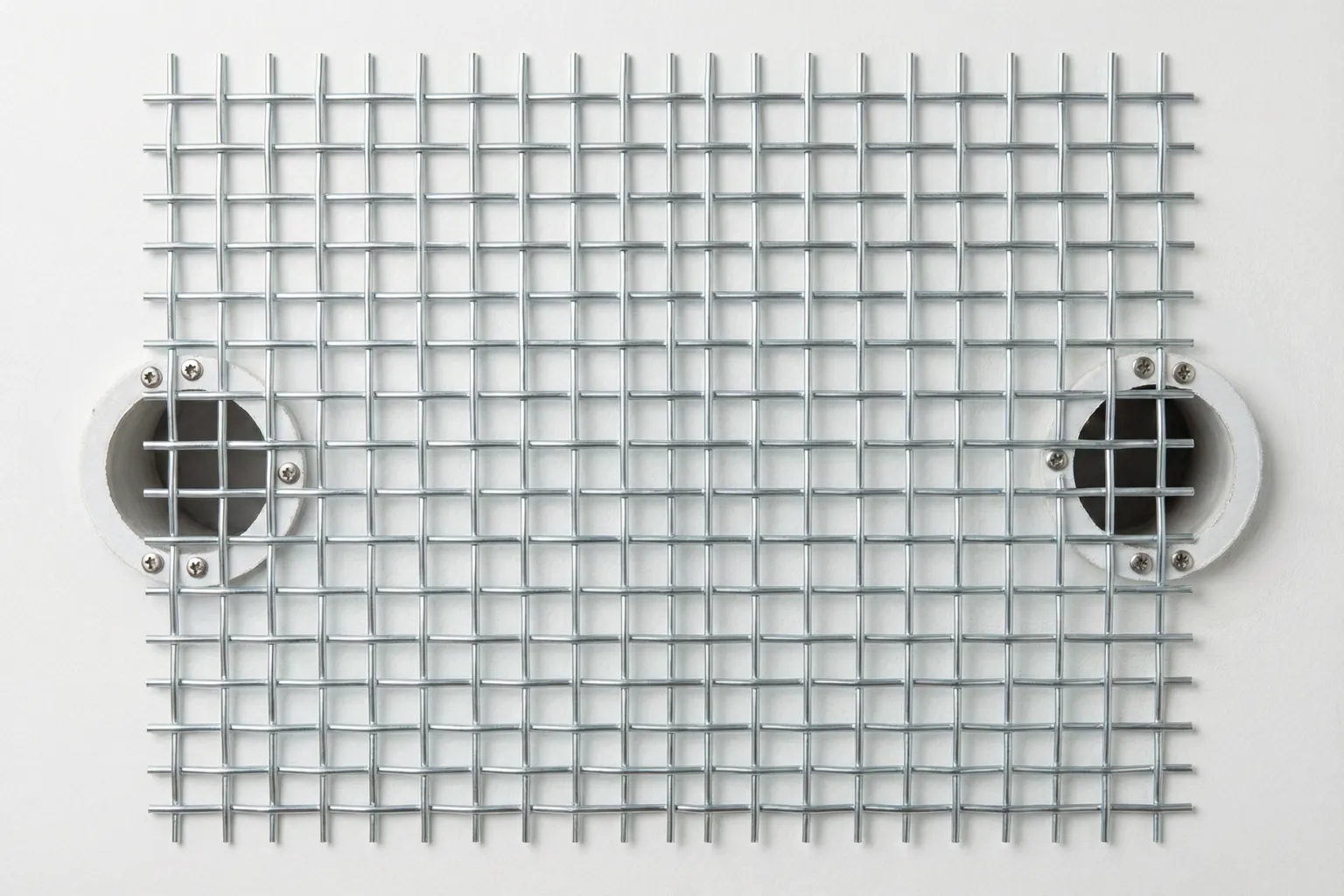
Framed plant-room louver screen
A building buyer specifies a welded mesh screen by clear opening, wire diameter, galvanized or stainless route, frame size, and the fastening detail behind the louver.
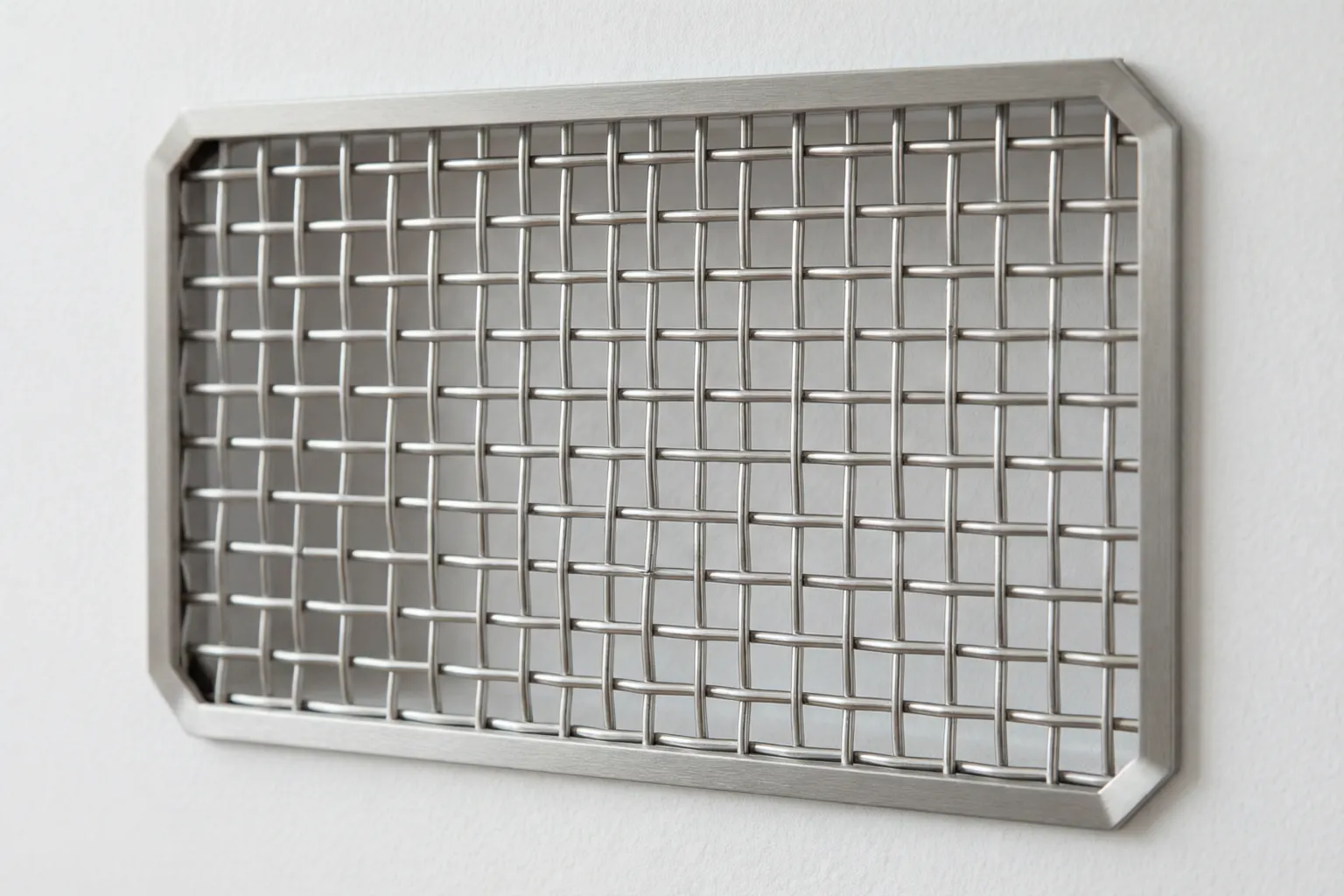
Drain and surface-channel screen
A facility project identifies the grate geometry, corrosion exposure, clear aperture, removable screen arrangement, and cleaning access before purchasing mesh.
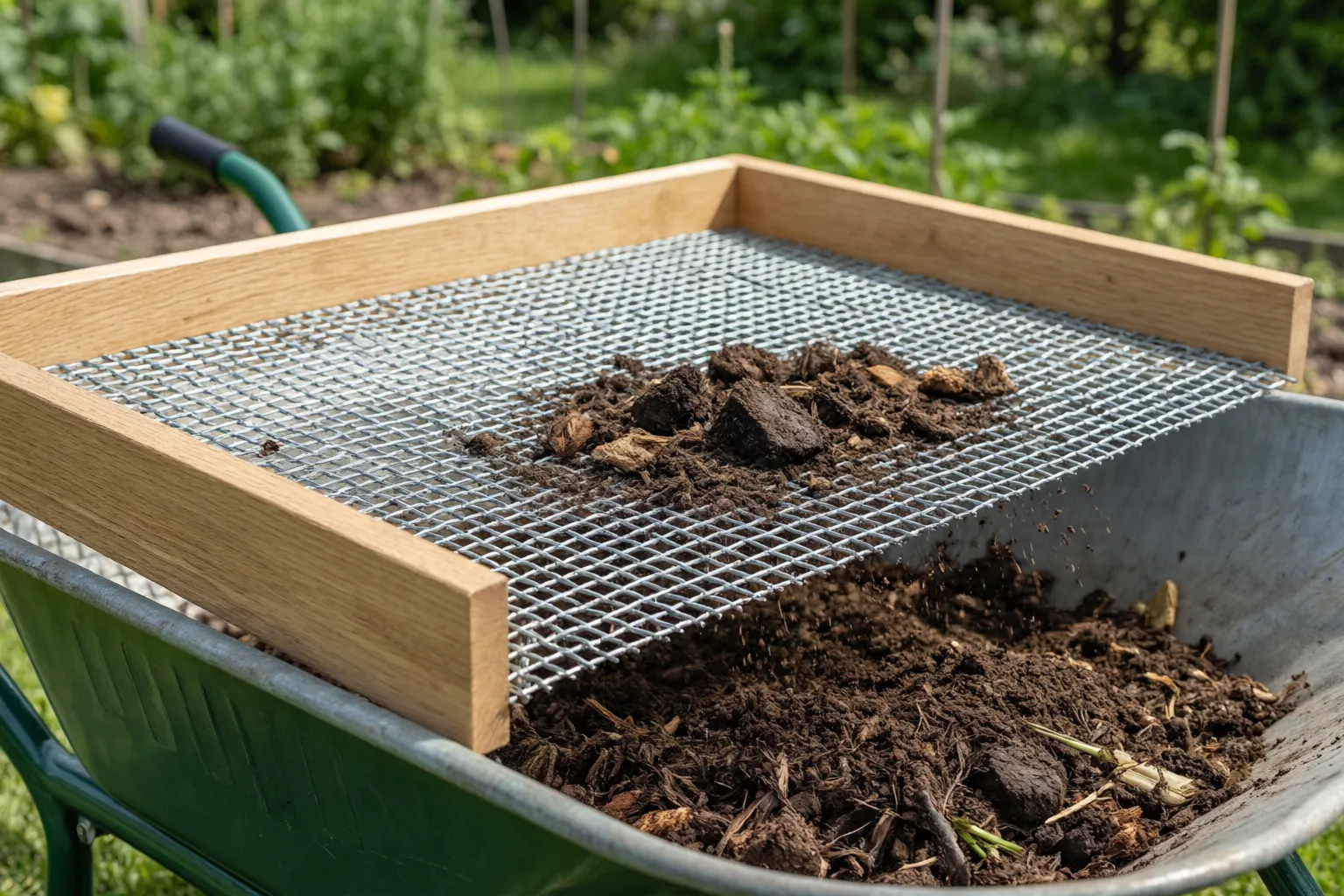
Warehouse service penetration repair
A contractor records the cable or pipe opening, surrounding substrate, required overlap, perimeter closure method, and cut-piece dimensions for an installation-ready order.

Animal-facility ventilation opening
A buyer confirms the relevant facility rule, target species, cleaning conditions, mesh material, frame, and inspection process before selecting the screen.
Rat Wire Mesh Sourcing Resources
Use the product pages to compare mesh formats, and consult the linked authorities for context on rodent exclusion. Confirm the current local requirement and project drawing before ordering.
Last updated: 2026-09-12
Related pages
Reference standards
Rat Wire Mesh FAQ
Common B2B sourcing questions about aperture, construction, material, installation detail, and RFQ information for rat wire mesh.
Need a rat wire mesh specification review?
Send the target pest, opening detail, aperture, wire diameter, material route, format, quantity, and destination for a specification-led quotation request.
Request a QuoteRequest Rat Wire Mesh Pricing
Send your application, target pest, clear opening, wire diameter, construction, material or coating route, roll or panel dimensions, quantity, and destination. Include drawings or photos for unusual opening and frame details.
Your details stay private. We reply with a matched factory quote — no spam.