Wire Mesh for Cabinet Doors: Cut-to-Size Inserts, Vent Panels & Framed Mesh
Source wire mesh for cabinet doors in stainless steel, aluminum, brass, copper, and powder-coated steel, supplied as cut-to-size inserts, vent panels, and framed mesh for kitchen, pantry, display, and wardrobe doors. Compare openings, wire, and finishes, then request a factory quote.
View SpecificationsCabinet Door Wire Mesh Specifications
Cabinet door mesh is defined by six variables: construction, opening, wire diameter, material, finish and edge, and open area for ventilation. State all six in every RFQ, with the frame opening measured at the rabbet rather than the nominal door size, to avoid fit problems and re-quotes.
Welded square mesh for rigid inserts; fine woven wire cloth for decorative panels; perforated and expanded options for modern doors
Welded 1/8, 1/4, and 1/2 inch square measured center-to-center; woven decorative cloth from 20 to 40 mesh
About 0.5-1.2 mm for door inserts; heavier wire only for full mesh doors without a frame
304 stainless for kitchens and wet rooms; 430 stainless for budget interiors; aluminum for light furniture doors; brass and copper for decorative panels; powder-coated steel for dry budget duty
Mill, powder-coated, plated, or lacquered finishes; hemmed or rolled edges for safe handling and a clean frame fit
Opening and weave set the open area; upper and pantry cabinets use higher open area for airflow and moisture control
Select one or more specifications. Your choices will be included in the quote request.
0 specs selected
| Material | Look and finish | Best for cabinet doors | RFQ note | |
|---|---|---|---|---|
| 304 stainless steel | Bright silver, corrosion-resistant alloy | Kitchen, pantry, and wet-room cabinet doors | State mesh count or opening, wire diameter, and finish; mill certificate on request. | |
| 430 stainless steel | Silver magnetic stainless at lower cost | Budget kitchen and utility cabinet doors | A magnetic, lower-nickel route for dry interiors; state the finish required. | |
| Aluminum | Light silver, will not rust | Lightweight furniture, wardrobe, and RV cabinet doors | Low weight for large or hinged doors; state the alloy and finish. | |
| Brass and copper | Warm gold to reddish, antique or lacquered | Decorative kitchen, display, and furniture doors | Name the alloy and whether a lacquer is used to control patina. | |
| Powder-coated steel | Any color over a steel core | Budget indoor cabinet and closet doors | Indoor dry duty; state the color and the core wire finish. |
Common Mesh Sizes for Cabinet Door Inserts
Typical openings and mesh counts for cabinet door inserts, with approximate open area calculated from the opening and wire diameter. Custom openings, wire diameters, and finishes are available; confirm tolerance at RFQ.
| Opening / mesh | Wire diameter (mm) | Typical cabinet door use | Approx. open area | |
|---|---|---|---|---|
| 1/8 in (3 mm) welded | 0.4-0.6 | Fine vent panels that keep small items in | about 70-75% | |
| 1/4 in (6 mm) welded | 0.6-0.9 | Standard kitchen and pantry door inserts | about 80% | |
| 1/2 in (13 mm) welded | 0.7-1.0 | Display and wardrobe doors needing a clear view | about 85-87% | |
| 20 mesh woven | about 0.3-0.4 | Decorative brass, copper, or stainless panels | about 50-65% | |
| 40 mesh woven | about 0.2-0.3 | Finer decorative and vent panels | about 36-50% |
Glass-Replacement Mesh Panels by Cabinet Door Type
Mesh often replaces glass in a cabinet door frame. Measure the frame opening at the rabbet, not the nominal door size, and match the panel and fixing to the door type.
| Door type | What to measure | Recommended mesh | Fixing | |
|---|---|---|---|---|
| Kitchen upper cabinet | Rabbet width, height, and depth | 1/4 in welded or 20-40 mesh woven in 304 stainless | Retainer strip, bead, or clips set into the frame rabbet | |
| Pantry and storage cabinet | Rabbet size and door thickness | 1/4 to 1/2 in welded for airflow | Framed insert or hemmed panel fixed to the door | |
| Display and curio cabinet | Rabbet size and sight lines | Fine woven brass, copper, or stainless | Hemmed panel set in the frame like glass | |
| Wardrobe and closet door | Panel size and weight limits | 1/2 in welded or aluminum mesh | Framed panel to keep large doors light |
Woven vs Welded vs Perforated Mesh for Cabinet Doors
Three constructions serve cabinet doors. The right choice follows the look, how rigid the panel must be, and how much open area the cabinet needs.
| Dimension | Welded square mesh | Fine woven cloth | Perforated / expanded | |
|---|---|---|---|---|
| Rigidity | Rigid grid that holds shape in a frame | Flexible; needs a frame or hem | Solid sheet, the most rigid | |
| Look | Utilitarian grid | Fine decorative texture | Modern solid-with-holes | |
| Open area | High, about 70-87% | Medium, about 36-65% | Low to high by pattern | |
| Typical use | Vent and pantry inserts | Decorative and display doors | Modern cabinet and acoustic panels |
Cabinet Door Wire Mesh Types We Source
Four panel formats serve cabinet doors. Compare rigidity, look, and how the panel is fitted against your door type before you specify.
Welded mesh cabinet inserts
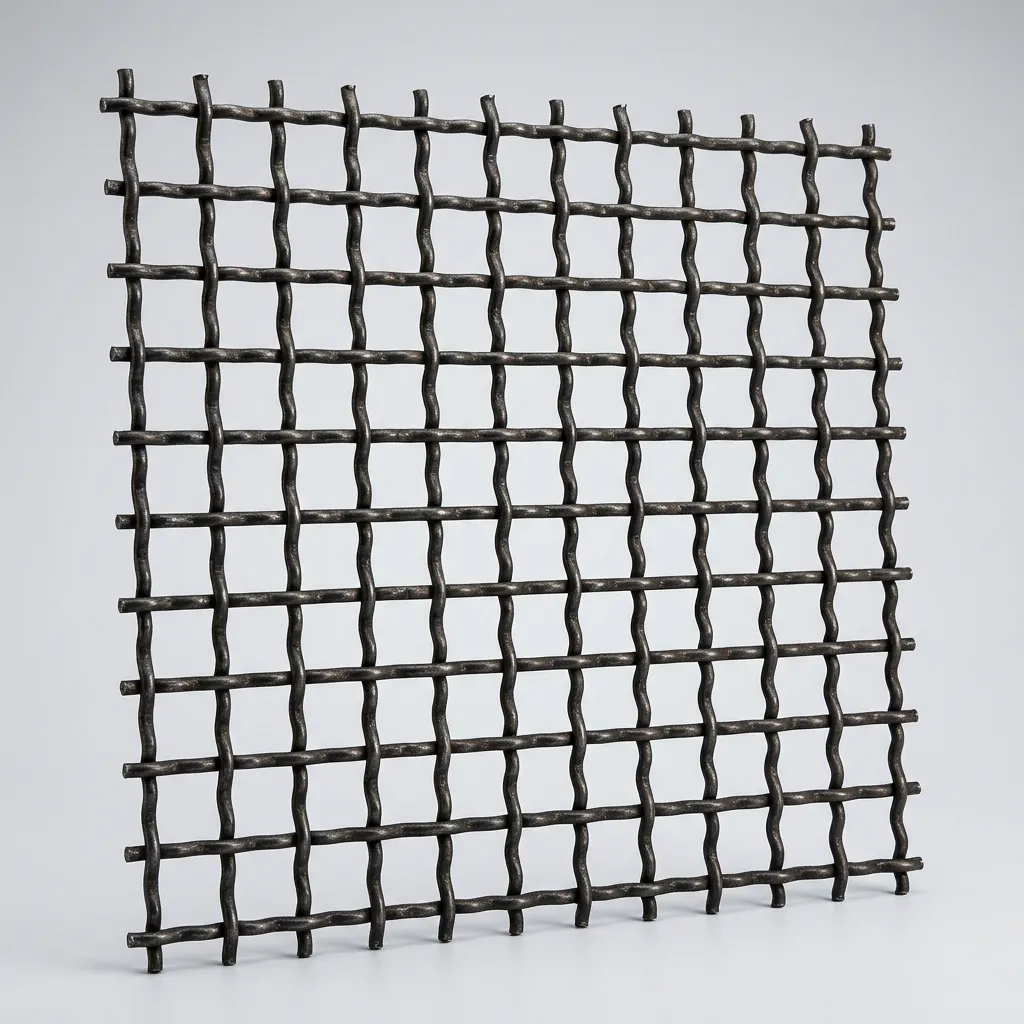
Rigid welded square mesh in 1/8 to 1/2 inch openings. The standard route for vent panels, pantry doors, and any insert that must hold its shape in the frame.
Woven decorative mesh inserts
Fine woven wire cloth in brass, copper, and stainless from 20 to 40 mesh. High light transmission with a decorative texture for display and furniture doors.
Perforated and expanded door panels
Solid sheet with punched or stretched openings for a modern look, acoustic control, and higher rigidity. See the perforated metal mesh guide for patterns.
Framed and drop-in mesh panels
Mesh set in a metal frame or hemmed to size, ready to drop into the door rabbet. Saves fabrication time on repeat cabinet lines.
How to Select the Right Wire Mesh for Cabinet Doors
Start from the door type and room, then fix the opening, material, finish, edge, and panel format. A complete cabinet door mesh RFQ avoids fit problems and re-quotes.
By door type
Kitchen uppers, pantry, display, wardrobe, bathroom, and retail showcase doors each favor a different opening, material, and panel format.
By ventilation need
Upper and pantry cabinets benefit from a higher open area for airflow and moisture control. Choose the opening that vents without letting contents through.
By room and material
Use 304 stainless for steam and wet rooms, aluminum for light large doors, brass or copper for decor, and powder-coated steel for dry budget interiors.
By appearance
Mesh count and weave set the texture and see-through. Finer woven cloth reads decorative; larger welded openings read utilitarian.
Measure the rabbet, not the door
Size the insert to the frame opening (rabbet or rebate), not the nominal door size, and record the groove depth so the panel seats flush.
Edge treatment
Hemmed or rolled edges prevent cuts and help the panel sit in the frame. Raw cut edges need a retainer strip to cover them.
Panel thickness and groove
Match the built-up panel and edge thickness, roughly 2-4 mm, to the groove so the insert seats flush without rattling.
Sample before bulk
Request a sample panel of the exact opening, material, finish, and edge, sized to your door, to confirm fit and appearance before a production run.
Why Buyers Choose Wire Mesh for Cabinet Doors
Cabinet and furniture makers choose mesh doors for honest reasons: airflow, visibility, safe edges, and panels supplied ready to fit.
Ventilation that protects contents
Airflow through the open area reduces moisture and mold in upper and pantry cabinets while keeping contents contained.
Cut to the rabbet
Panels cut to your frame opening reduce scrap and on-site trimming, so inserts fit the first time.
Safe hemmed edges
Rolled or hemmed edges protect hands during handling and help the panel seat cleanly in the frame.
Kitchen-grade materials
304 stainless and aluminum stand up to steam and humid rooms where plain steel would corrode.
Decorative options
Brass, copper, colored powder coat, and lacquered finishes match cabinet hardware and interior schemes.
One RFQ, many routes
Multiple materials, openings, and panel formats can be quoted together so a mixed cabinet program ships as one plan.
Where Cabinet Door Wire Mesh Is Used
Choose the opening, material, and panel format by what the cabinet holds, the room it sits in, and how much airflow and visibility the door needs.
Kitchen upper cabinet doors
Vented 304 stainless or aluminum mesh inserts that cut moisture and show contents at a glance.
Pantry and storage cabinet doors
Welded mesh panels that give dry goods airflow and a clear view of stock.
Display and curio cabinets
Fine woven brass, copper, or stainless panels that frame collectibles and glassware.
Wardrobe and closet doors
Light aluminum or welded mesh that keeps large doors airy and easy to hinge.
Bathroom vanity doors
304 stainless or aluminum mesh that tolerates humidity without rusting.
Retail and showcase cabinets
Durable framed mesh panels for merchandise display and light security.
Cabinet Door Wire Mesh Buying Mistakes to Avoid
Six errors that cause poor fit, rust, or injury, and every one is avoidable at the RFQ stage.
Quoting the door size, not the rabbet
An insert sized to the door leaf will not fit the frame. Measure the frame opening at the rabbet and record the groove depth.
Leaving raw cut edges
Cut wire is sharp and snags hands and clothing. Specify hemmed or rolled edges, or cover the edge with a retainer strip.
Using plain galvanized steel in steamy kitchens
Thin zinc dulls and rusts in steam and humidity. Use 304 stainless or aluminum in kitchens and bathrooms.
Mismatching panel thickness to the groove
Too thick and the panel will not seat; too thin and it rattles. State the groove depth in the RFQ so the panel and edge match.
Choosing too large an opening
Small items fall through a coarse opening and the look turns industrial. Match the opening to what the cabinet holds.
Skipping edge sealing on coated mesh
Cut edges on powder-coated or plated mesh corrode first. Seal cuts on site or have the factory finish the edges.
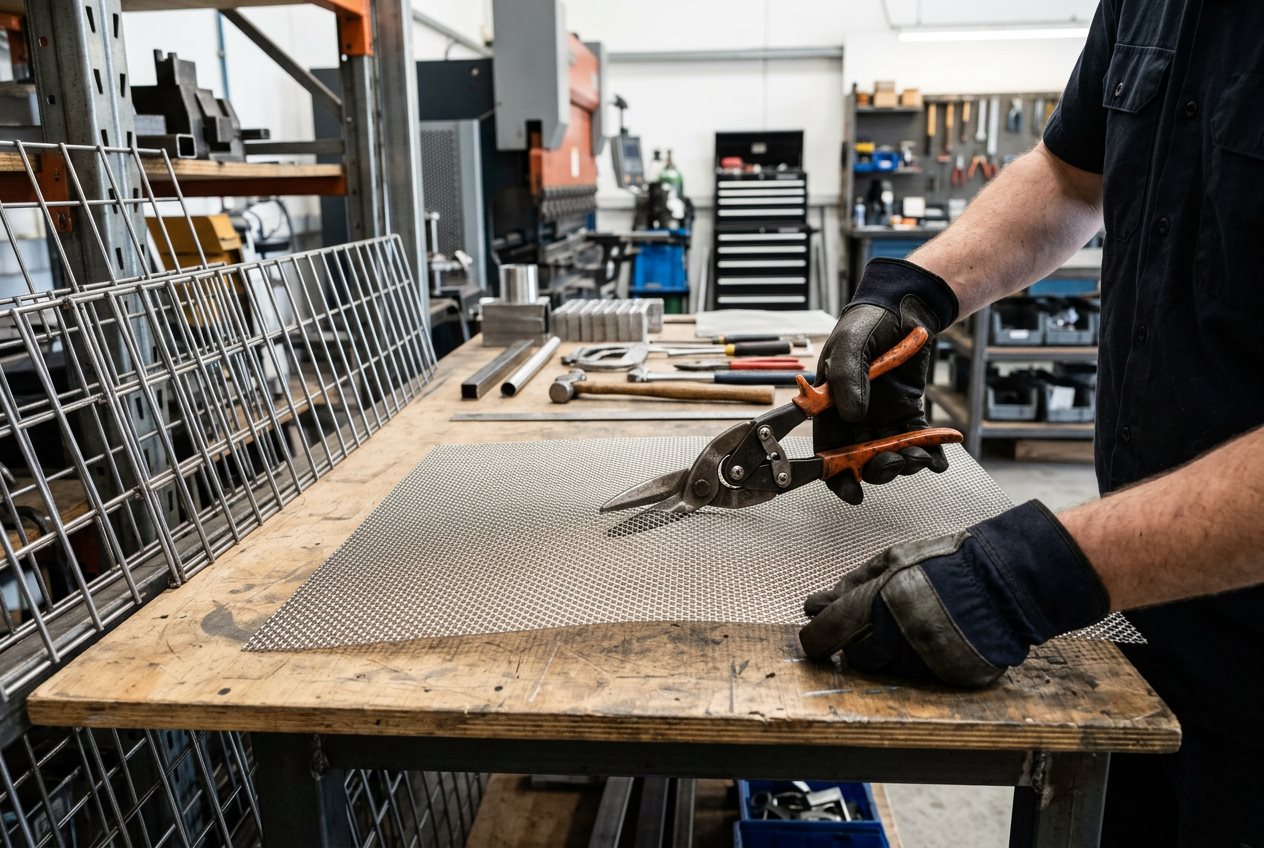
Measure the frame, edge the panel, and set it like glass so the insert fits flush and stays safe to touch.
Working with Cabinet Door Wire Mesh
Measure the rabbet and groove
Record the frame opening width, height, and groove depth for each door. Size the panel to the opening, not the door leaf.
Cut and edge the panel
Cut the mesh to the opening and hem or roll the edges, or order pre-framed drop-in panels to skip fabrication.
Set the panel in the frame
Seat the insert in the rabbet and fix it with a retainer strip, bead, or clips, the same way a glass panel is set.
Seal and check the fit
Seal any cut edges, confirm the panel sits flush, and check the door closes without binding or rattling.
Cabinet Door Wire Mesh Packing for Export
Packing keeps panels flat, protects finishes and edges, and preserves traceability through transit and receiving inspection.
Flat-stacked sheets
Inserts and panels pack flat with film between faces to prevent scratching of decorative and coated finishes.
Edge and corner protection
Hemmed panels and framed inserts get edge and corner protection against handling and forklift damage.
Labeled by specification
Every bundle carries opening, wire diameter, material, finish, panel size, quantity, and production lot.
Certificates on request
Mill and coating certificates accompany the shipment when ordered, matched to the material route.
Share destination details
State destination port, trade term, and inspection requirements. Pre-shipment inspection by SGS, BV, or TUV is available on request.
Cabinet Door Wire Mesh in Service
Use scenarios show how opening, material, and panel format change by cabinet type; they are typical configurations, not customer claims.
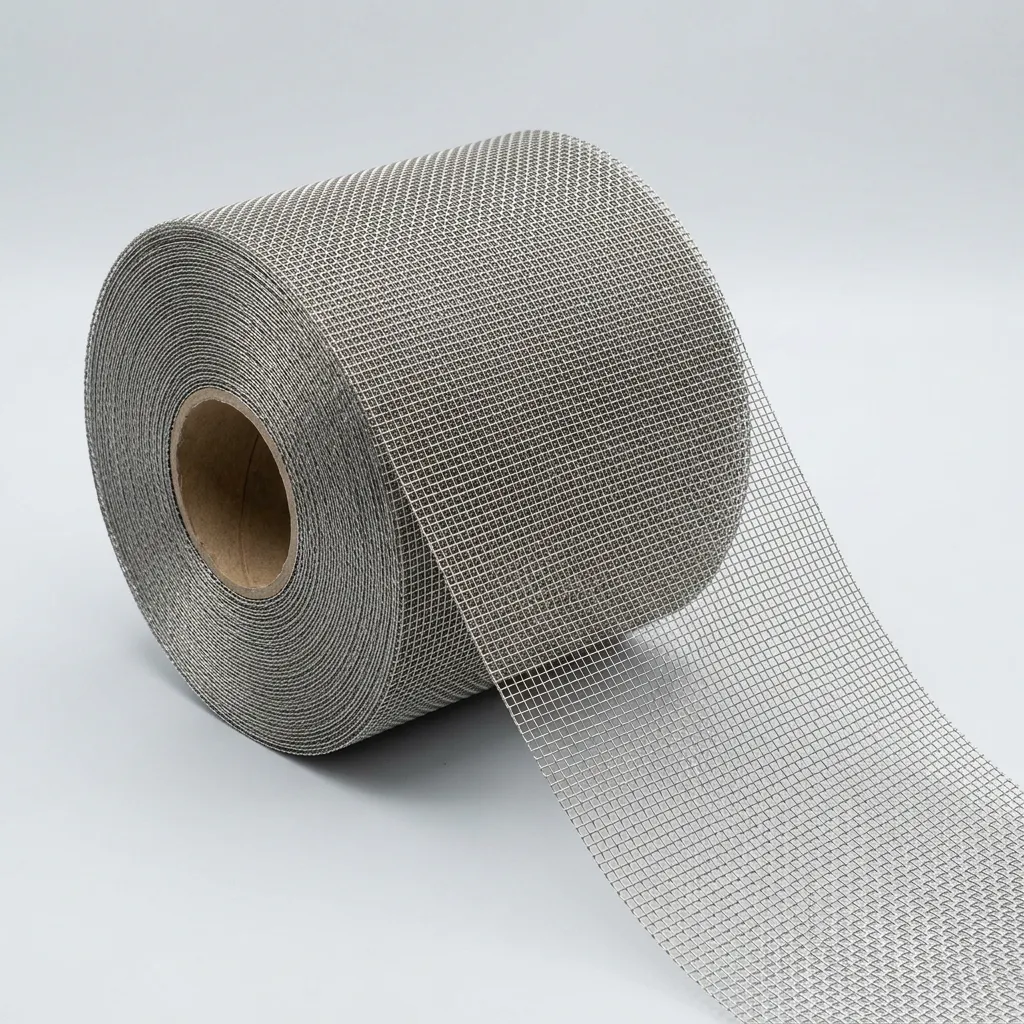
Kitchen upper vent doors
304 stainless 1/4 inch welded inserts, hemmed, set into upper cabinet frames across a kitchen cabinet run.
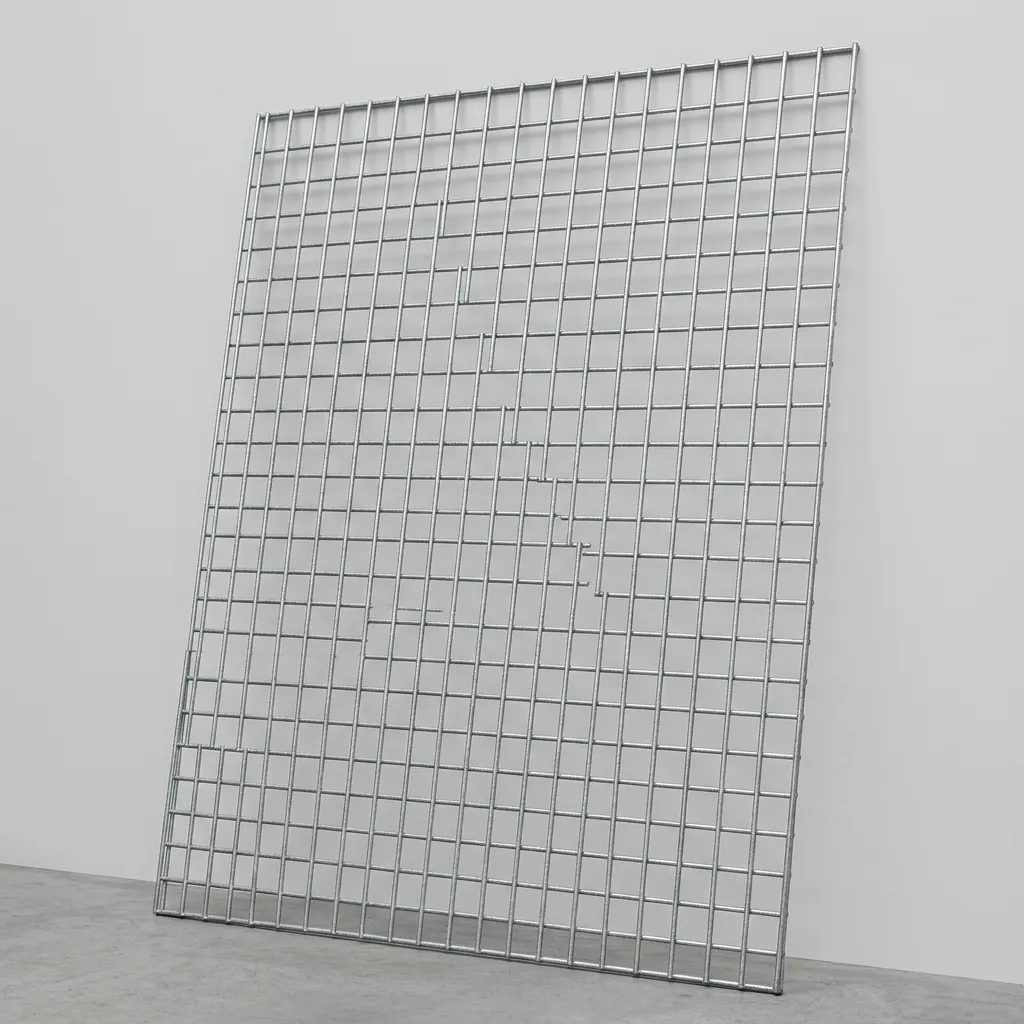
Pantry mesh doors
Powder-coated 1/2 inch welded panels framed into pantry doors for airflow and a clear view of contents.
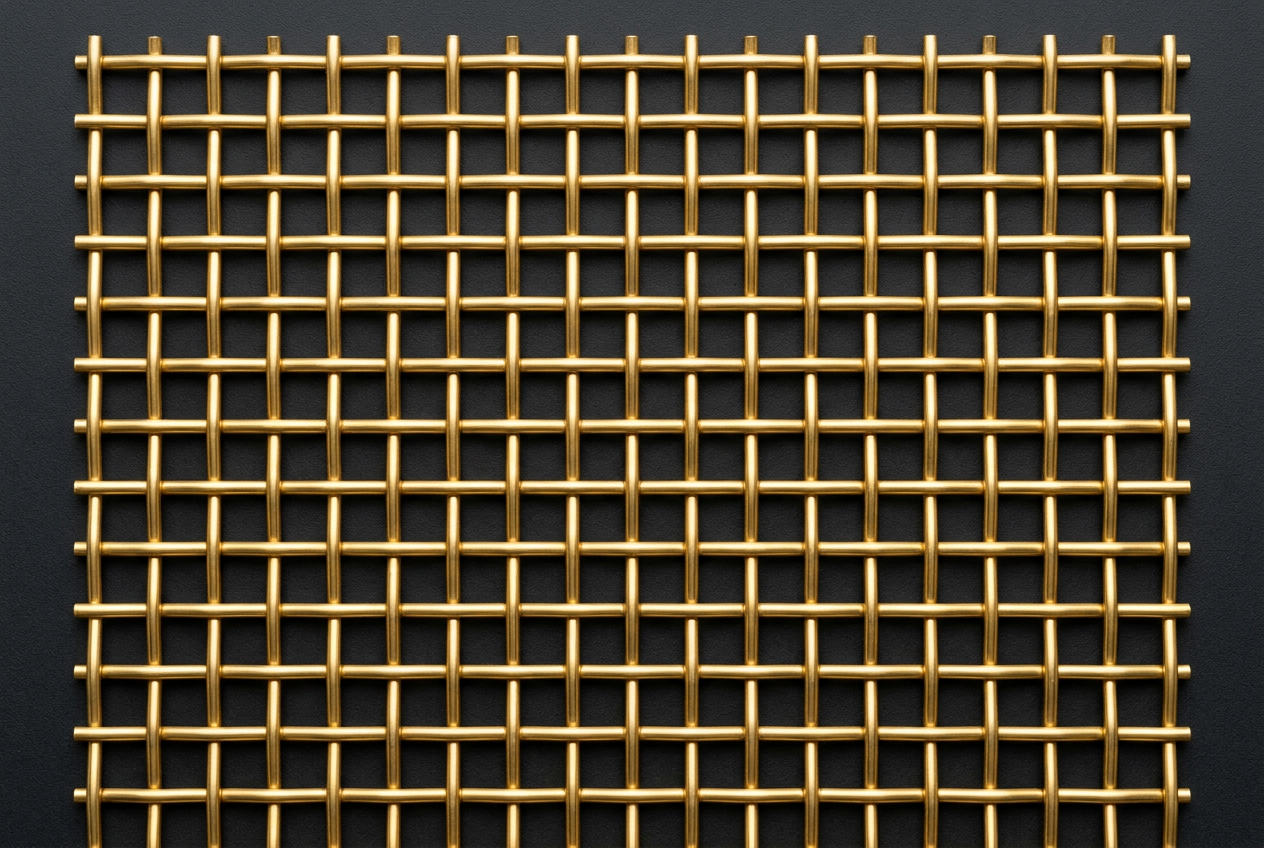
Brass display cabinet
20 mesh brass woven panels, lacquered to control patina, set into a display cabinet to frame glassware.
Retail showcase doors
Aluminum mesh panels in framed doors for a merchandise showcase that needs visibility and durability.
Cabinet Door Wire Mesh Sourcing Resources
Compare mesh constructions, materials, and related guides. Confirm the standard edition and your project requirements before ordering.
Last updated: 2026-09-08
Related pages
Wire Mesh for Cabinet Doors FAQ
Common procurement questions about openings, materials, fitting, ventilation, and ordering wire mesh for cabinet doors.
Still have questions about wire mesh for cabinet doors?
Send your door type, frame opening (rabbet) dimensions, material, finish, quantity, and destination. Our sourcing team replies with a specification-led review.
Request a QuoteRequest Cabinet Door Wire Mesh Pricing
Send the door type, frame opening (rabbet) dimensions, opening or mesh count, material, finish, edge and framing, quantity, and destination for a specification-led sourcing review. Our team replies with matched cabinet door mesh options and a factory quote.
Your details stay private. We reply with a matched factory quote — no spam.