Decorative Wire Mesh: Woven, Expanded & Perforated Metal Mesh Supplier
Decorative wire mesh is metal mesh specified for architectural and interior appearance - woven, crimped, expanded or perforated - in stainless steel, copper, brass, aluminum or black steel. Compare constructions and materials, then confirm opening, wire, surface and dimensions before you request a quote.
Compare SpecificationsWhat Defines Decorative Wire Mesh
Decorative wire mesh is defined by its construction, material, opening, surface and dimensions. 'Decorative' describes the intended use - architectural and interior appearance - not a single product. Start with the construction and material, then confirm the opening, wire, surface, dimensions and quantity.
Woven wire cloth for fine apertures and drapes; crimped mesh for rigid patterned screens; expanded metal for lightweight sheets; perforated metal for solid panels with pattern
304 and 316 stainless steel, copper, brass, aluminum or black carbon steel, matched to the appearance and the service environment
Clear opening, mesh count or hole size, which controls transparency, airflow, light transmission and privacy
Wire diameter for woven and crimped mesh; sheet thickness for expanded and perforated metal
Bright, brushed or patinated metal, or anodized, powder-coated and PVDF finishes for colour and corrosion control
Length, width, sheet or panel form, edge and framing detail, quantity, packing and destination
Select one or more specifications. Your choices will be included in the quote request.
0 specs selected
| Decorative mesh line | How to specify it | Common use | RFQ note | |
|---|---|---|---|---|
| Woven wire cloth | Weave, mesh count, aperture, wire diameter, material and edge finish | Screens, partitions, ceilings, drapery and fine decorative panels | State the weave and whether it is supplied as cloth, panel or drape. | |
| Crimped / pre-crimped mesh | Crimp type, aperture, wire diameter, material and panel size | Rigid screens, railings, furniture and patterned panels | Confirm the crimp and how the panel is framed or edged. | |
| Expanded metal mesh | Sheet thickness, strand, SWD/LWD, open area, material and finish | Facade cladding, sunshades, ceilings and guards | Confirm whether raised or flattened, and the anodized or coated finish. | |
| Perforated metal sheet | Hole size, pitch, pattern, sheet thickness, open area and material | Facade panels, acoustic ceilings, balustrades and cabinet doors | State the hole pattern and whether the sheet is framed or edge-finished. |
Where Decorative Wire Mesh Is Used
Decorative wire mesh is specified where a metal surface must do more than screen or shield - it shapes light, air and space. Match the construction and material to the surface and the duty.
Facade cladding and sun shading
Woven or expanded stainless and aluminum mesh clads external walls and sunscreens, filtering glare and heat while keeping the surface open and ventilated.
Ceiling and acoustic systems
Perforated and expanded panels form ceiling rafts and acoustic linings that absorb sound while adding a metallic finish to lobbies, halls and transit spaces.
Partitions and privacy screens
Woven and perforated panels divide offices, restaurants and lobbies with a semi-transparent, low-glare screen that keeps sight lines while defining space.
Railing and balustrade infill
Crimped and expanded mesh infills balustrades and stair rails with a safe, visually open barrier that follows the line of the walkway.
Furniture and cabinet inserts
Fine woven cloth and perforated sheets form furniture panels and cabinet door inserts, adding a metal texture to kitchens, wardrobes and retail displays.
Retail, signage and art features
Brass and copper mesh create display features, signage panels and sculptural elements where colour and reflection carry the design.
Choose Decorative Wire Mesh by Construction
Start with the construction, because it decides transparency, rigidity and how the panel is made. Then match the material and finish to the surface and environment.
Woven wire mesh
Interlaced wire in plain, twill or custom weaves for fine apertures, screens, drapery and furniture panels. The most flexible line for a wide range of patterns and openness.
Crimped wire mesh
Pre-crimped wires locked in a rigid, patterned mesh for screens, railings and decorative panels where the sheet must hold its shape.
Expanded metal mesh
A single sheet slit and stretched into diamond openings. Lightweight and rigid, used for facades, sunshades, ceilings and guards in steel or aluminum.
Perforated metal mesh
A solid sheet punched with round, square or custom holes. Precise, flat panels for facades, acoustic ceilings, balustrades and cabinet doors.
How to Select Decorative Wire Mesh
Move from the design intent to a complete, comparable RFQ. Start with the surface and duty, match the material to the environment, then confirm the construction, opening, finish and dimensions.
Define the design intent
State whether the mesh shades a facade, divides a space, absorbs sound or adds a surface texture. The intent decides the construction and material.
Match the material to the environment
Use 316 stainless or aluminum for coastal or outdoor facades. Use copper, brass or black steel indoors where patina, colour or cost drive the choice.
Choose the construction
Woven for openness and drape, crimped for rigid patterned panels, expanded for lightweight sheets, perforated for flat solid panels.
Define the opening or hole size
Opening controls light, air, visibility and privacy. State the mesh count, aperture, hole size or open area with the unit system.
Select the surface finish
For outdoor work specify anodized, powder-coated or PVDF finishes. For interior work confirm bright, brushed or patinated metal.
Choose sheet, panel or roll form
Use sheets and panels where flat handling and repeat dimensions matter. Use rolls for woven cloth in continuous runs or field cutting.
Confirm edges and framing
Specify cut, selvage, welded border, hemmed or framed edges plus finished dimensions and tolerances from the drawing.
Plan packing and receiving
State pieces per bundle, panel or roll protection, pallet or crate needs and destination so the finish and edges survive transit.
Why Buyers Specify Decorative Wire Mesh
Decorative wire mesh combines a controlled metallic appearance with engineering qualities - light, air and sound management - on a single specification.
One RFQ across materials and constructions
Compare woven, crimped, expanded and perforated lines in stainless, copper, brass, aluminum and black steel on a single quotation.
Appearance matched to the environment
Choose 316 stainless and aluminum for outdoor exposure, or copper, brass and coated finishes to control colour, reflection and patina.
Custom sizes and finishes
Decorative mesh is cut, woven, perforated, framed and finished to the drawing - panel sizes, hole patterns and surface colours are specified, not off-the-shelf.
Specification-led quoting accuracy
A complete RFQ - construction, material, opening, wire, finish, dimensions and quantity - produces a comparable quotation without ambiguity.
Consistent visual finish
Uniform surface, weave and edge details across panels, screens and cladding keep the installed result consistent.
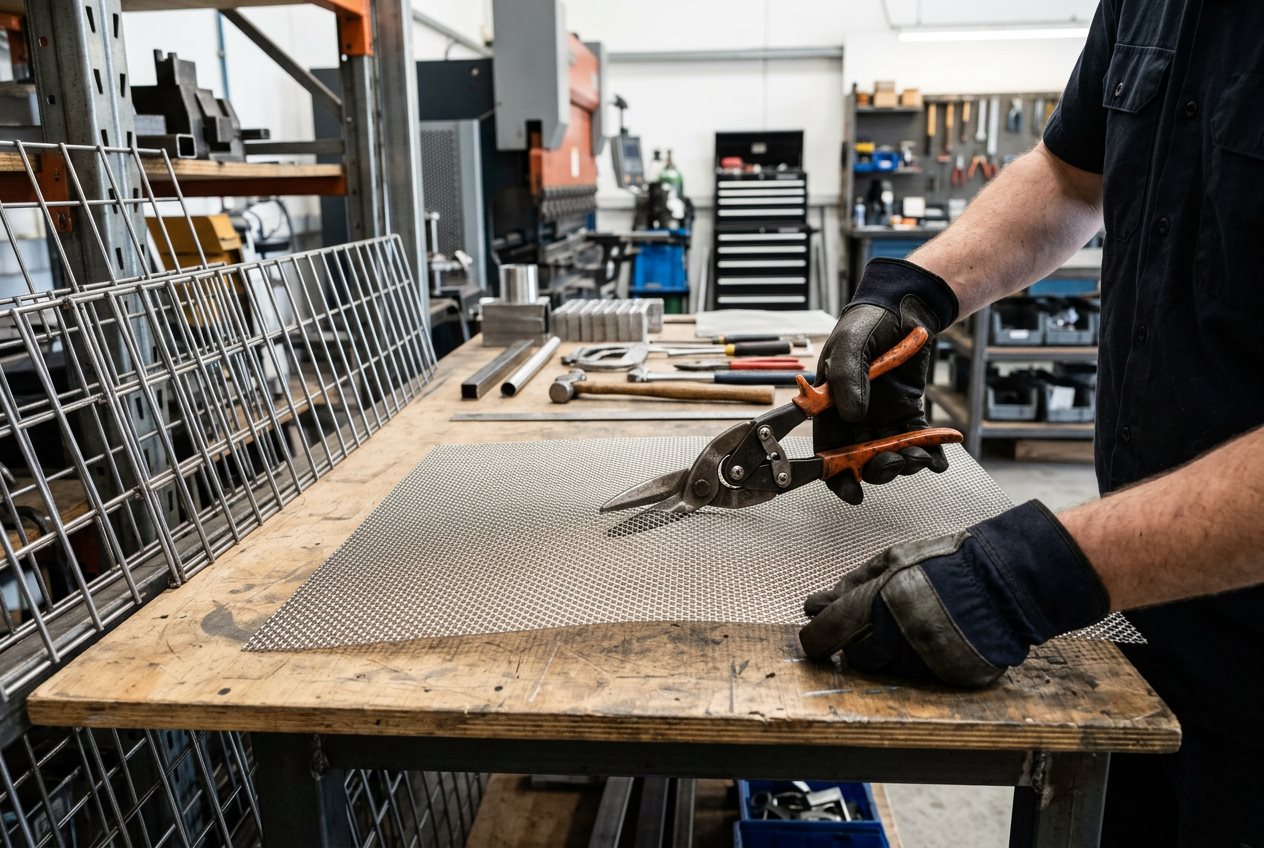
Cutting, framing and fixing methods depend on the construction, wire or sheet thickness, edge treatment and site safety requirements. Confirm the finished drawing before fabrication or installation.
Handling Decorative Wire Mesh Before Installation
Inspect against the specification
Check construction, material, opening, wire or sheet thickness, finish, dimensions and edge condition against the agreed drawing before cutting or fitting.
Protect the surface when cutting
Cut decorative mesh with the method agreed for the material and thickness, and protect or re-seal cut edges where the finish or corrosion performance requires it.
Finish exposed edges
Use the agreed border, frame, hem or trim detail to control sharp edges and preserve the decorative finish at every cut or joint.
Confirm fit before final fixing
Check panel orientation, openings, mounting points and clearances before fastening the mesh into a facade, partition, railing or furniture assembly.
Packing Decorative Wire Mesh for Shipment
Decorative mesh needs packing that protects the surface finish, edges and dimensions through loading, transit and receiving.
Protect the decorative surface
Use separators and edge protection where the finish, weave or perforation could be scratched or distorted between panels, rolls or coils.
Secure rolls and panels
Strap and wrap rolls and panels so they do not shift or deform during handling, and protect the outer surface from transit abrasion.
State the handling method
Confirm bundle or coil weight, lifting points, pallet or crate requirements and forklift access before finalizing the packing plan.
Label each unit clearly
Identify construction, material, opening or mesh count, wire or sheet thickness, finish, dimensions, quantity and the purchase-order or drawing reference.
Confirm destination details
Include destination, delivery terms and any receiving restrictions so the packing and protection route can be reviewed before quoting.
Decorative Wire Mesh by Application
These are representative application scenarios, not customer projects or performance claims. Final specifications depend on the buyer's drawing, environment and applicable requirements.
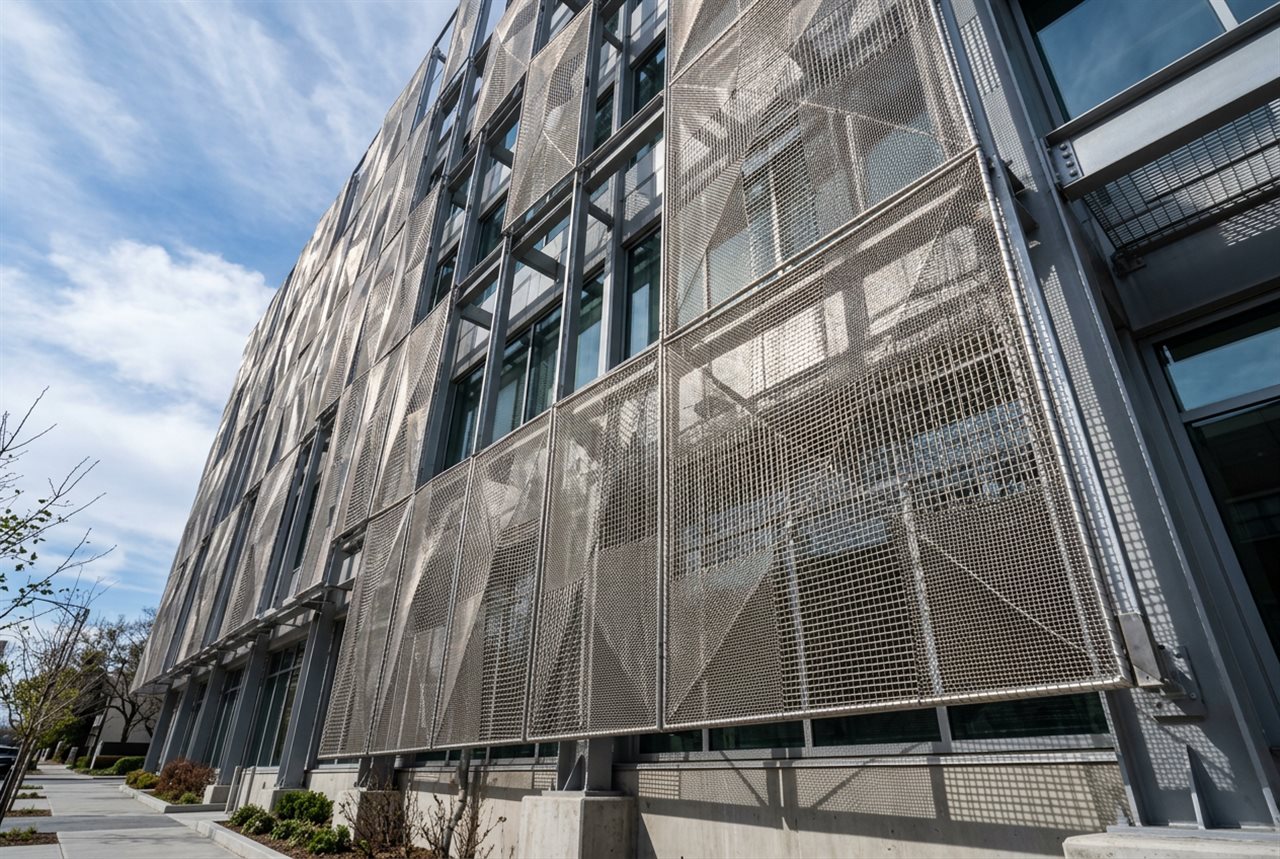
Facade cladding panel
A stainless or aluminum woven or expanded panel selected for open area, wire or sheet thickness, colour finish and fixing detail for an exterior facade.
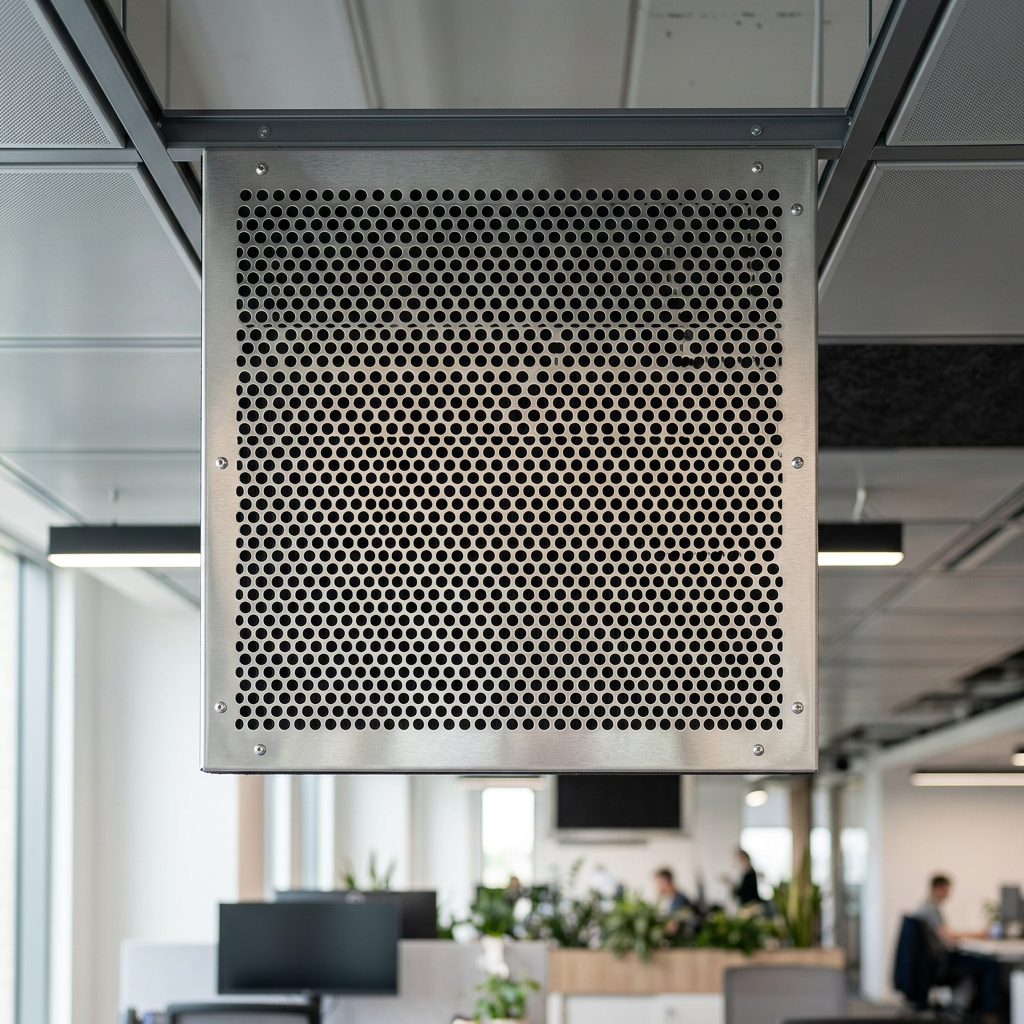
Ceiling acoustic raft
A perforated panel selected for hole pattern, open area, sheet thickness and acoustic requirement for a lobby or transit ceiling.
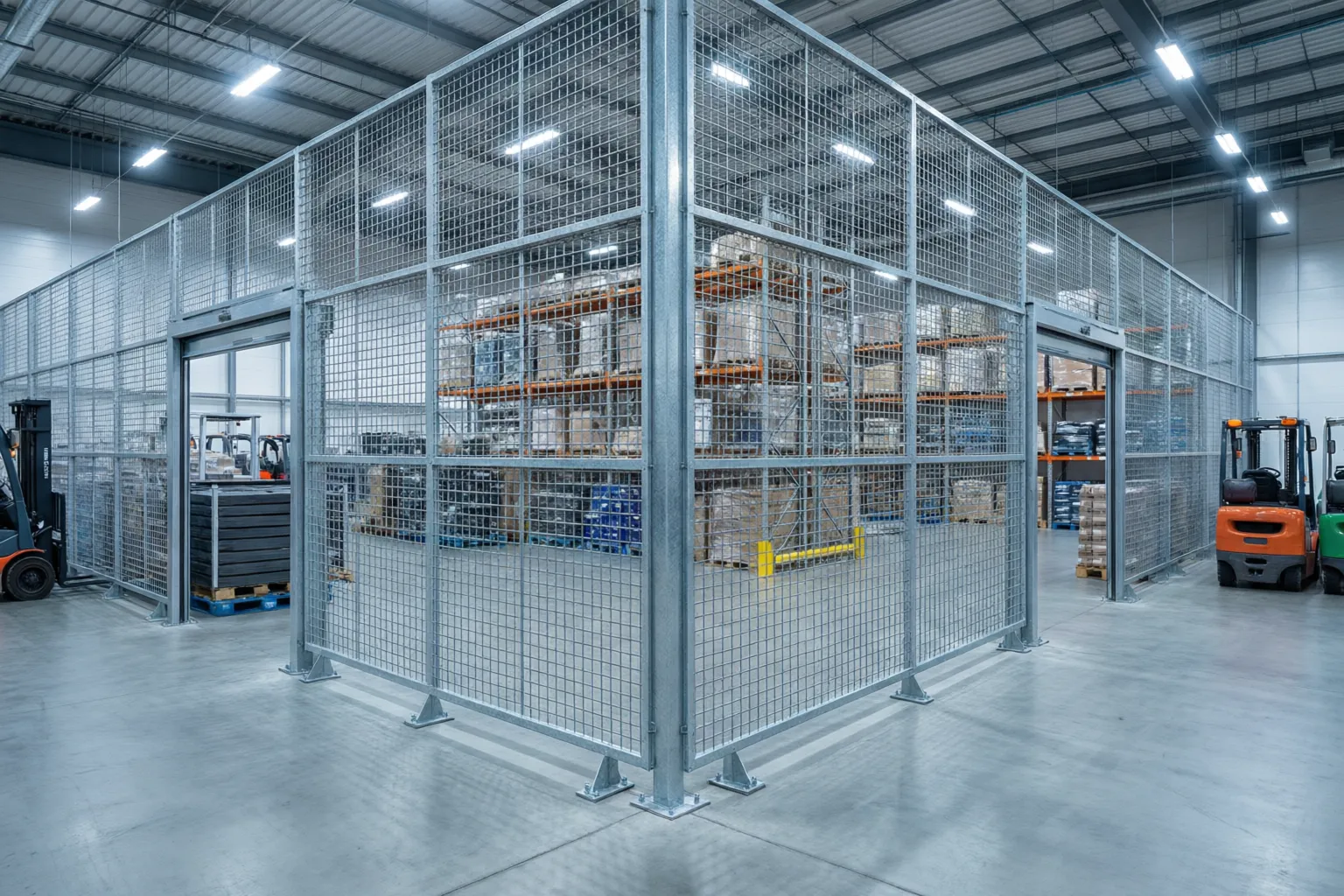
Office partition screen
A woven or perforated panel selected for openness, height, edge detail and mounting design for a semi-transparent room divider.
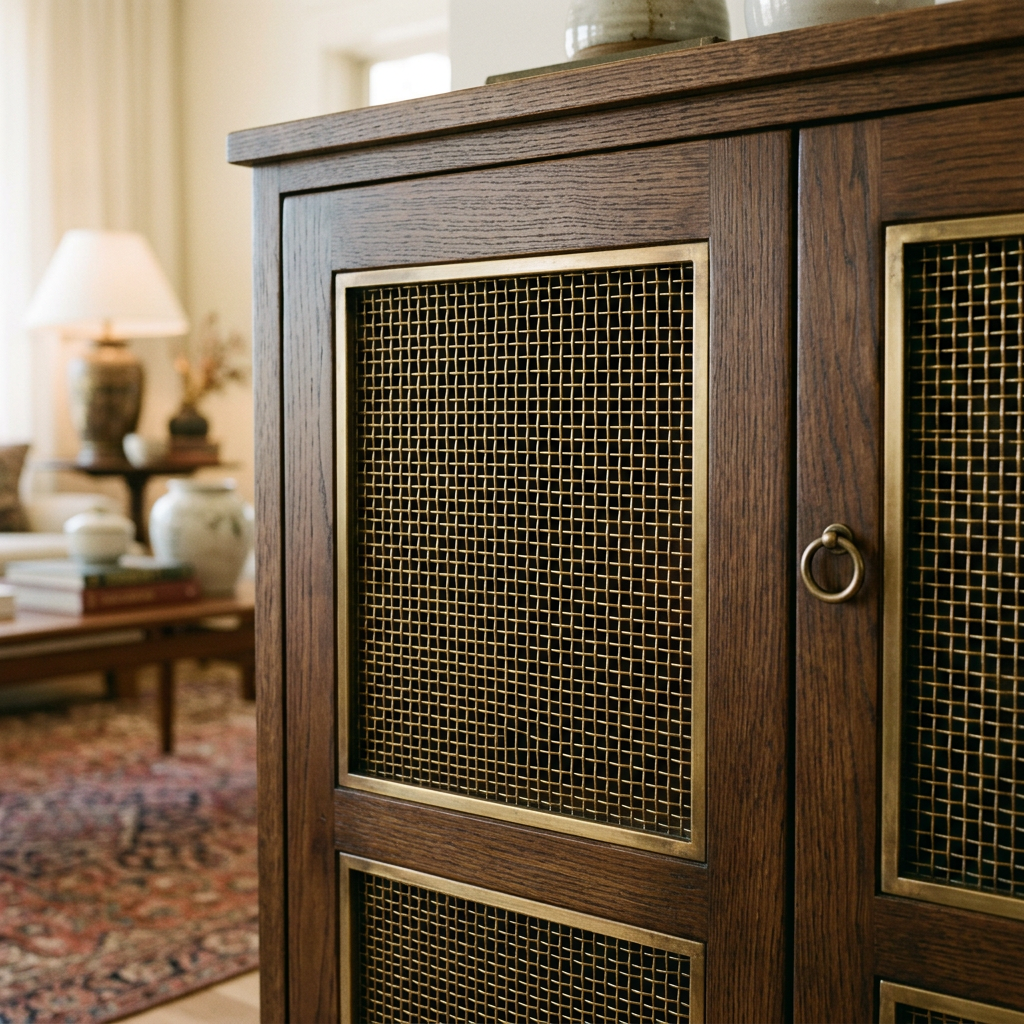
Furniture and cabinet insert
A fine brass or copper woven cloth selected for mesh count, aperture, finish and frame detail for a cabinet door or furniture panel.
Decorative Wire Mesh Sourcing Resources
Use these category and material guides plus the standards to clarify the construction and specification before ordering. The applicable standard depends on the product and project requirement.
Last updated: 2026-09-07
Related pages
Reference standards
Decorative Wire Mesh FAQ
Common questions buyers ask when sourcing decorative wire mesh for facades, ceilings, partitions, railings and furniture.
Need help matching a decorative mesh to your design?
Send the application, construction, material, opening or hole size, wire or sheet thickness, finish, dimensions, edge detail, quantity, destination and drawing if available for a specification-led review.
Request a QuoteRequest Decorative Wire Mesh Pricing
Send application, construction, material, opening or hole size, wire or sheet thickness, surface finish, dimensions, edge detail, quantity, destination and drawing for a specification-led sourcing review.
Your details stay private. We reply with a matched factory quote — no spam.