Catalyst Support Mesh: Stainless, Inconel & Titanium Bed Support and Retention Screens
Source catalyst support mesh for fixed-bed reactor internals, SCR systems, and process filtration. Compare retention screens and support grids across stainless, Inconel, Monel, and titanium, then send your duty, bed, and geometry for a specification-led review.
View SpecificationsCatalyst Support Mesh Specification
Catalyst support mesh is selected as a system: alloy, opening, function, fabrication, and the actual reactor duty work together. A mesh count is not an opening, and a mesh is not a load-bearing grid; confirm the full arrangement before quotation.
Name the reactor type and process (for example fixed-bed hydrotreating, SCR, or a packed catalytic column), plus operating temperature, pressure, and atmosphere. These decide the alloy and the opening together
State whether the mesh retains catalyst particles, supports bed weight, or both, and its position relative to the bed, support grid, scallop, or outlet collector
Size the aperture to the smallest catalyst pellet or particle that must be retained. Give mesh count, wire diameter, aperture, and open area; mesh count alone does not define the opening
Choose 304/316 stainless, low-carbon 316L, Inconel 600, Monel 400, or titanium by temperature, atmosphere, and corrosive environment. Name the grade in the RFQ
Define panel size, seams, hem or frame, edge treatment, and cut or formed details. Cut-to-size panels and stitched or welded seams are specified with the reactor assembly in mind
State material certificate, chemistry verification, dimensional inspection, marking, quantity, destination, and required delivery date
Select one or more specifications. Your choices will be included in the quote request.
0 specs selected
| Material route | Typical catalyst bed role | Why it is used | RFQ note | |
|---|---|---|---|---|
| 304 stainless steel | Retention screens and support layers in moderate service | Corrosion resistance and economical supply at production scale | State grade, mesh geometry, and the process environment | |
| 316 / 316L stainless steel | Retention screens where chloride, acid, or high-pressure service is expected | 2-3% molybdenum raises pitting resistance; 316L adds a low-carbon option for welded assemblies | Confirm grade (316 or 316L), opening, and any chloride or acid exposure | |
| Inconel 600 / nickel alloy | High-temperature catalyst beds and aggressive reactor atmospheres | Oxidation and high-temperature corrosion resistance in hot service | Name the alloy and governing material specification; confirm wire availability in the geometry | |
| Monel 400 / titanium | Specialized corrosive duty; titanium where stainless would pit in chlorides | Corrosion resistance tailored to aggressive media | Confirm alloy, environment, and fabrication route |
Catalyst Support Mesh Forms Compared
The form follows the bed role: retention, packing support, and load bearing each need a different structure. Select it after the alloy and duty are defined.
| Form | Structure | Typical bed role | Specify before quotation | |
|---|---|---|---|---|
| Woven wire cloth | Interlaced plain or twill weave with square apertures | Retention screens and light support layers with a defined opening | Opening, wire diameter, weave, panel size, and edge treatment | |
| Dutch weave cloth | Wedge-shaped pores from coarse warp and fine shute wires, in plain, twill, or reverse Dutch | Fine-particle retention and catalyst fines control at the cloth surface | Target micron rating, operating pressure, alloy, and differential-pressure limit | |
| Knitted mesh | Looped wire structure, flexible and open | Catalyst supports, packing, and demisting elements where flex and open structure help | Mesh style, material, density, and ring or sheet format | |
| Welded / expanded grid | Rigid welded grid or slit-and-stretched sheet | Load-bearing support grids beneath the catalyst bed | Open area, bed load, panel size, framing, and thermal-expansion allowance |
Catalyst Support Mesh RFQ Checklist
Providing these fields lets the sourcing and factory teams evaluate a comparable requirement instead of quoting against an incomplete mesh description.
| Field | What to state | Why it matters | |
|---|---|---|---|
| Duty | Reactor type, process, operating temperature, pressure, and atmosphere | Sets the alloy and the opening together | |
| Bed | Catalyst type, pellet or particle size, bed depth, and weight | Defines the retention requirement and the support load | |
| Function | Retention, support, or both; position relative to the bed and grid | Separates a retention screen from a load-bearing grid | |
| Geometry | Mesh count, wire diameter, aperture, and open area | Mesh count alone does not define the opening | |
| Material | Grade and governing specification | Prevents an alloy assumption | |
| Fabrication | Panel size, seams, hem or frame, edges, roll or sheet | Determines fit, lead time, and assembly | |
| Acceptance | MTC, dimensional checks, samples, quantity, destination, required date | Aligns documentation, inspection, and quotation basis |
Mesh Geometry Reference (Catalog)
These values come from the current 316 twill Dutch weave catalog product record. They are reference points for fine retention duty, not a stock or lead-time promise; confirm the final grade, weave, dimensions, and tolerances in the RFQ.
| Mesh count | Aperture (mm) | Microns | Notes | |
|---|---|---|---|---|
| 20 mesh | 0.87 | 870 | Coarse end of the catalog reference; confirm wire and weave in the RFQ | |
| 325 mesh | 0.043 | 43 | Fine end of the catalog reference for high-retention duty |
Catalyst Support Mesh Forms to Specify
The form follows the bed role. A fine retention screen, a packing support, and a load-bearing grid need different geometry and support details even when the same alloy is selected.
Woven catalyst retention screen
Plain or twill woven cloth with square apertures sized to the catalyst pellet, supplied as rolls or cut-to-size panels for bed retention.
Dutch weave catalyst support cloth
Plain, twill, or reverse Dutch weave with wedge-shaped pores for fine-particle retention and catalyst fines control at the cloth surface.
Knitted catalyst support mesh
Looped wire structure for catalyst supports, packing, and demisting elements where flexibility and an open structure are required.
Welded or expanded catalyst support grid
Rigid grids that carry bed weight beneath the catalyst, specified by open area, load, panel size, and framing.
How to Select the Right Catalyst Support Mesh
Start from the bed function, then fix duty, alloy, opening, geometry, and fabrication. A complete RFQ for catalyst support mesh avoids assumptions and re-quotes.
Start from the bed function
Decide whether the part retains catalyst, carries bed weight, or both. A retention screen and a load-bearing grid are specified differently.
Define the duty envelope
State reactor type, temperature, pressure, and atmosphere so the alloy and opening can be selected together.
Size the opening to the catalyst
The aperture follows the smallest pellet or particle that must be retained. State the pellet size and any fines requirement.
Choose the alloy by the environment
Stainless for general service, 316L for welded or chloride duty, Inconel or other nickel alloys for high temperature, and titanium or Monel for aggressive corrosive media.
Fix the full mesh geometry
Mesh count, wire diameter, aperture, and open area together define the cloth. Mesh count alone does not define the opening.
Plan fabrication and assembly
Panel size, seams, hems, frames, edges, and installation interfaces affect fit and lead time. Provide the drawing or interface details.
Match standards to the product
ASTM E2016 and ISO 9044 cover industrial woven wire cloth within their stated scopes; confirm which tolerance applies to your construction.
State documentation early
Include material certificates, dimensional inspection, samples, quantity, and destination before offers are compared.
Why Buyers Choose Catalyst Support Mesh
Catalyst support mesh earns its place in reactor internals for verifiable reasons: it retains catalyst, it can carry support duty, and it can be matched to the process environment.
Catalyst bed retained
Screens sized to the catalyst keep pellets and particles in the bed, protecting downstream internals and equipment.
Corrosion-matched alloys
Stainless, 316L, Inconel, Monel, and titanium routes let the mesh match the process environment.
Opening matched to the duty
Aperture and open area are specifiable so retention and flow can be balanced for the actual bed.
Forms for every bed role
Woven, Dutch-weave, knitted, and grid routes are sourced through one RFQ with matched quality control.
Fabrication-ready supply
Cut-to-size panels, stitched or welded seams, and roll supply fit reactor internals and replacement programs.
Specification-led QC and traceability
Material test certificates, dimensional checks, and labeled lots give traceable, inspectable supply.
Where Catalyst Support Mesh Is Used
Catalyst support mesh appears wherever a reactor or emissions-control unit must hold a catalyst bed in place and keep catalyst material inside the process. Confirm the duty and bed arrangement in the RFQ.
Fixed-bed reactor catalyst retention
Retention screens above and below catalyst beds hold pellets in place while process gas or liquid flows through, protecting downstream internals and equipment from catalyst carryover.
Hydrotreating and hydrocracking bed support
Catalyst bed support layers in hydroprocessing reactors where bed weight, high pressure, and hydrogen service call for a matched grid and retention screen arrangement.
SCR and DeNOx catalyst retention
Retention screens and support mesh for selective catalytic reduction units that hold catalyst elements and manage exhaust-gas flow in emissions-control service.
Catalyst fines filtration
Downstream polish filters and filter elements that remove catalyst fines and crystals carried past the bed, protecting pumps, nozzles, and downstream equipment.
Radial-flow reactor internals
Scallop screens, center-pipe collectors, and support screens in radial-flow reactors where flow distribution and particle retention work together.
High-temperature and corrosive catalyst service
Alloy support mesh and retention screens where elevated temperature, sulfur, chlorides, or other aggressive species require an alloy review before selection.
Catalyst Support Mesh Buying Mistakes to Avoid
Six errors that lead to the wrong mesh, delayed delivery, or an uncomparable quote. Every one is avoidable at the RFQ stage.
Ordering by mesh count alone
Mesh count without wire diameter does not define the opening. Give count, wire diameter, aperture, and open area.
Confusing a retention screen with a support grid
A screen retains particles; a grid carries bed weight. State the function and position so the right structure is quoted.
Choosing material by name, not environment
The process temperature, atmosphere, and corrosive species decide whether stainless, 316L, Inconel, Monel, or titanium fits; the material name alone does not.
Ignoring bed weight and load
A heavy catalyst bed needs a load-bearing arrangement reviewed with span, support points, and deflection in mind.
Overlooking seams and edges
Cut, stitched, or welded seams and edge treatment affect fit and service life. Specify them with the assembly in mind.
Leaving out duty data
Temperature, pressure, atmosphere, and catalyst details belong in the RFQ to avoid an uncomparable quote and a second round of pricing.
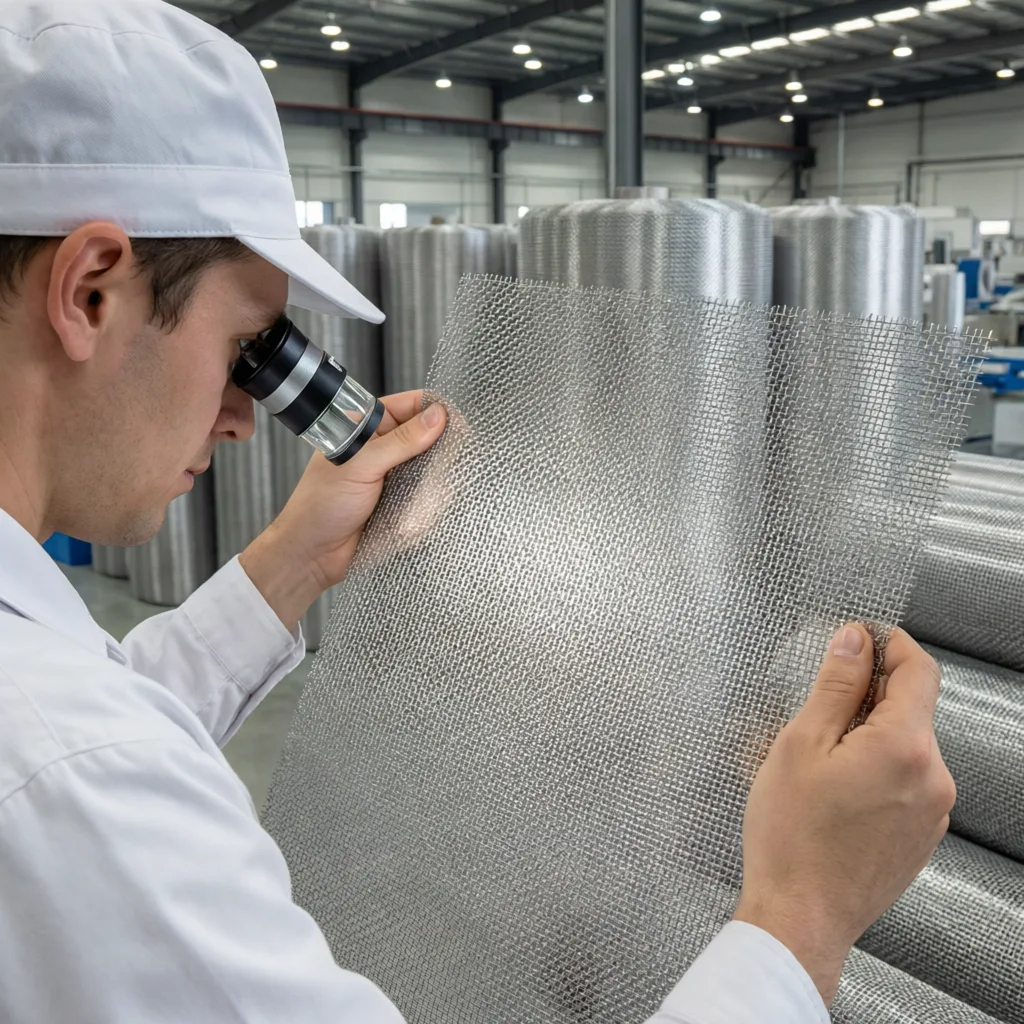
These are general receiving and fitting checks. Follow the equipment maker's instructions, the approved process procedure, and site safety requirements for installation and operation.
From Catalyst Support Mesh to Reactor Internals
Check the supplied specification
Compare grade documents, mesh geometry, dimensions, seams or edges, quantity, and marking against the purchase order and approved drawing.
Inspect the cloth and joints
Look for transport distortion, damaged wires, loose seams, or damaged edges that could affect fit, retention, or safe handling.
Confirm the bed and support arrangement
Verify the grid, span, support points, orientation, and retention-screen position before loading catalyst or applying process heat and pressure.
Commission to the approved procedure
Use the site's validated loading, inspection, and maintenance procedure. Record observed distortion or damage for the next specification review.
Catalyst Support Mesh Packing for Export
Packing protects mesh faces, seams, and fabricated edges, keeps cloth flat, and preserves traceability through transit and receiving inspection.
Rolls and panels protected
Mesh is wrapped and edge-protected to avoid deformation, scratching, and edge damage in transit.
Fabricated parts supported
Cut panels, seams, and framed assemblies are blocked or crated so their shape is preserved during handling.
Label each specification
Each lot carries grade, mesh geometry, dimensions, quantity, and production lot for traceability.
Certificates on request
Material test certificates and dimensional inspection reports accompany the shipment when ordered.
Share destination details
State destination port, trade term, and inspection requirements. Pre-shipment inspection by SGS, BV, or TÜV is available on request.
Factory QC before shipment
Incoming wire, weaving or forming, finishing, and final inspection with AQL sampling happen before dispatch.
Catalyst Support Mesh in Service
Use scenarios show how material, geometry, and form change by duty; they are not customer claims.
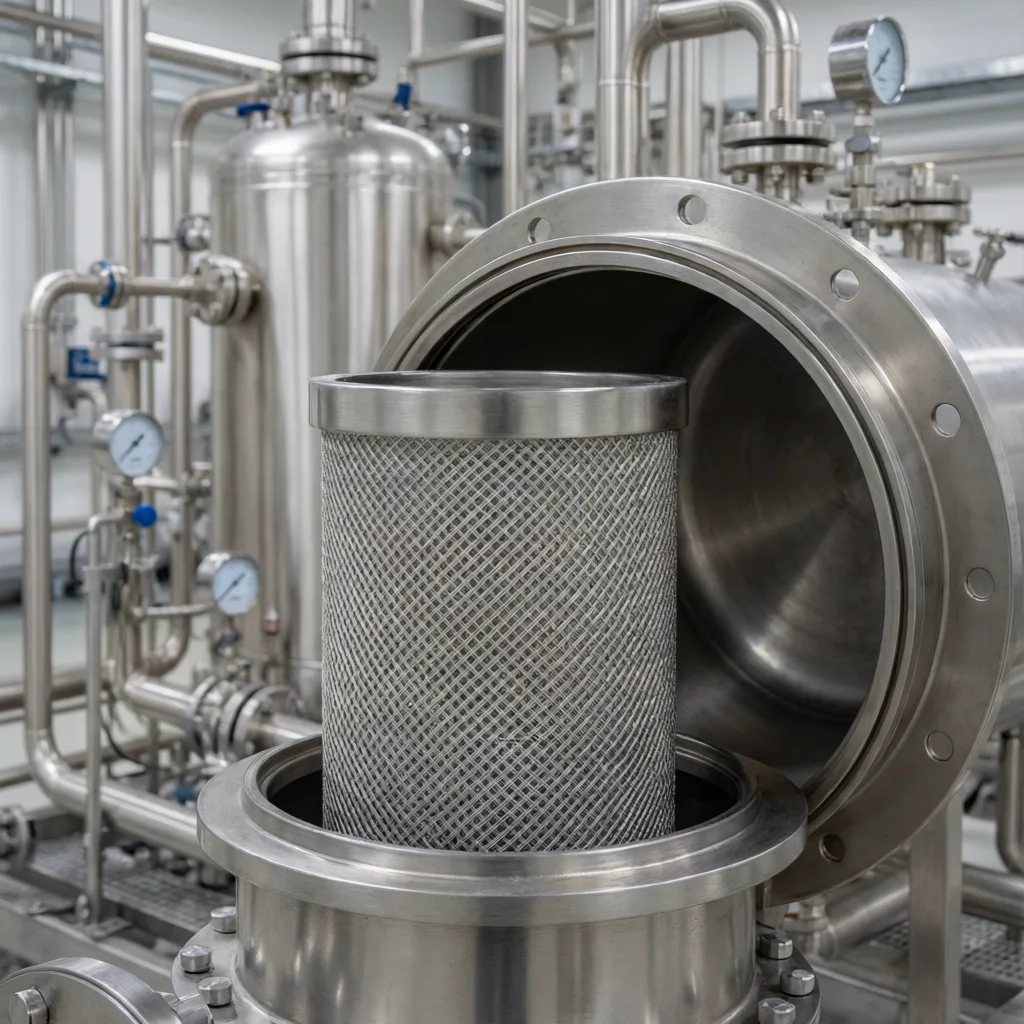
Fixed-bed catalyst retention screen
Stainless woven or Dutch-weave cloth sized to the catalyst pellet, specified as retention screens for fixed-bed reactor internals.
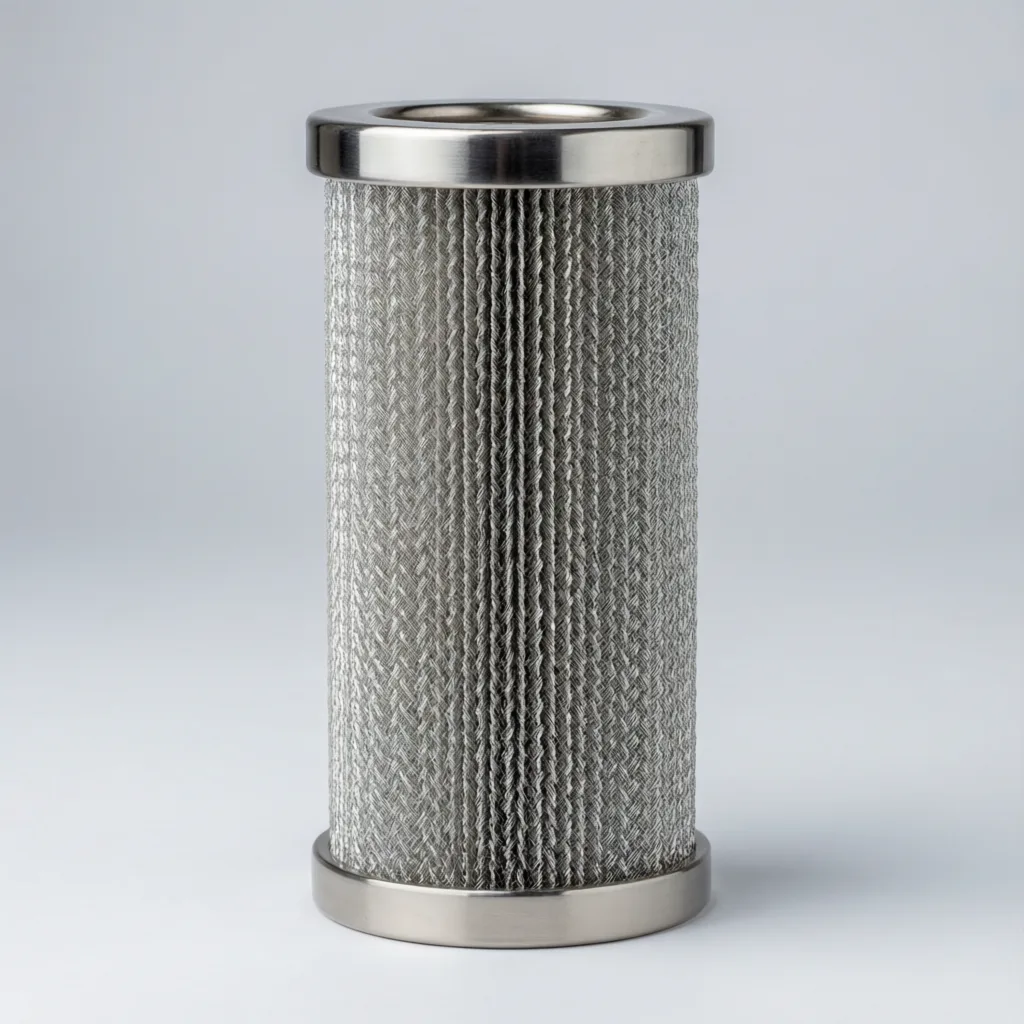
SCR catalyst retention in emissions control
Retention screens and support mesh specified for selective catalytic reduction units where hot exhaust gas and catalyst elements are handled.
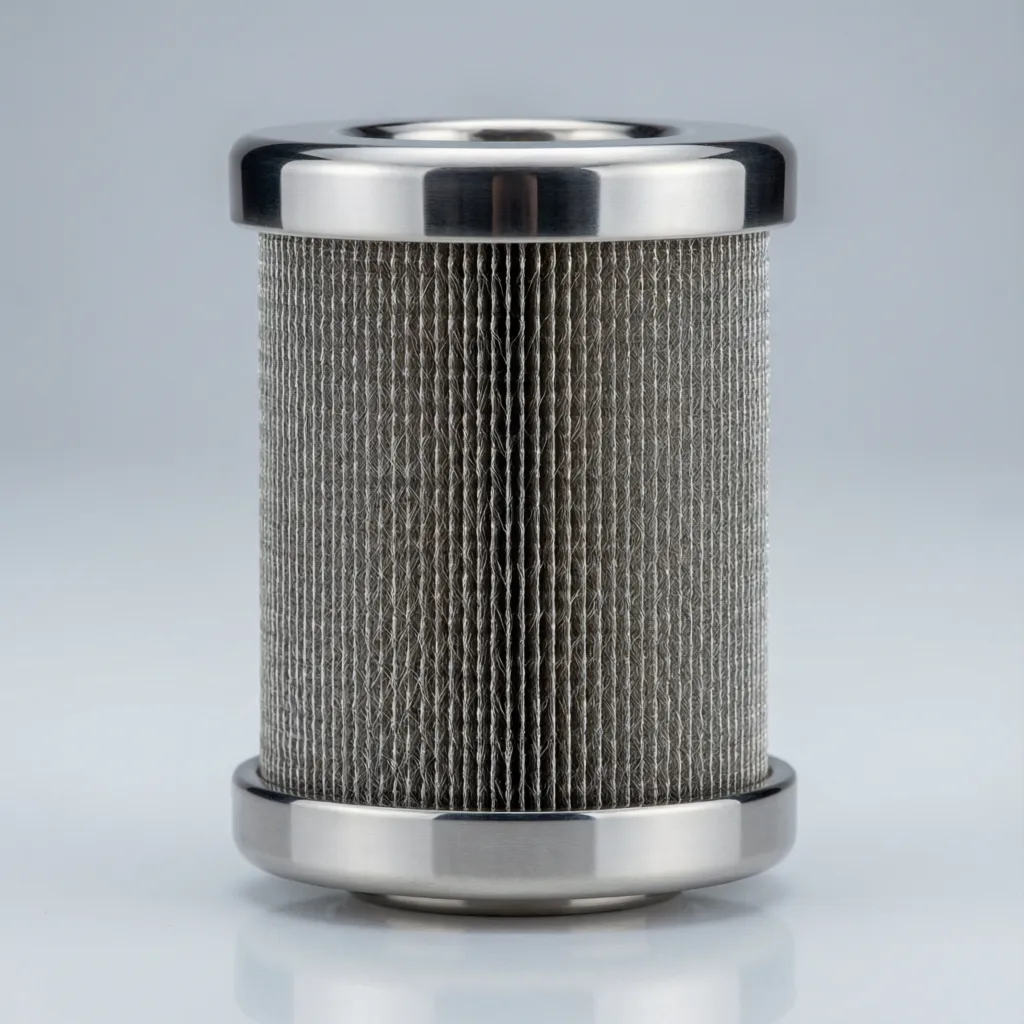
Catalyst fines filtration downstream of the bed
Filter elements and polish screens that remove catalyst fines and crystals carried past the bed, protecting downstream equipment.

High-alloy catalyst support in corrosive service
Inconel or other nickel-alloy mesh specified for catalyst support where temperature and aggressive media require an alloy review.
Catalyst Support Mesh Sourcing Resources
Compare the product catalog entries, material routes, and related categories. Confirm the standard edition and your duty before ordering.
Last updated: 2026-11-10
Related pages
Reference standards
Catalyst Support Mesh FAQ
Common procurement questions about materials, geometry, bed functions, and ordering catalyst support mesh.
Still have questions about catalyst support mesh?
Send your reactor duty, bed type, material, mesh geometry, panel size, quantity, and destination. Our sourcing team replies with a specification-led review.
Request a QuoteRequest Catalyst Support Mesh Pricing
Send reactor duty, bed type and catalyst, material grade, mesh geometry, fabrication needs, quantity, and destination for a specification-led sourcing review. Our team replies with matched catalyst support mesh options and a factory quote.