Heating Element Mesh for Industrial Heating
Source heating element mesh and formed mesh parts to your specification. Compare alloy routes and define mesh geometry, electrical requirements and fabrication.
Review Specification RequirementsHeating Element Mesh Specification Requirements
Heating element mesh is metal mesh used as the electrically resistive part of a heater: current passes through the mesh to generate heat. It differs from a screen that only supports or protects a separate heater. Start your inquiry with the finished geometry and electrical requirements so the material and fabrication route can be reviewed together.
Name the exact NiCr, FeCrAl or other approved alloy. Include the governing material specification and whether alternatives may be proposed.
Specify weave, mesh count or clear opening, wire diameter in each direction, open area and dimensional tolerances. Mesh count alone does not define the wire cross-section or opening.
Give supply voltage, target power, target resistance and tolerance, measurement temperature, and any available current limit. Identify whether values apply to one part or the complete assembly.
Mark energized edges, current direction, active length and width, contact areas and mounting points on the drawing. Include the proposed terminal or clamping interface.
State element temperature, process or air temperature, atmosphere, airflow, heating cycle, contaminants and support conditions. Include expected thermal expansion and permitted deformation.
Select one or more specifications. Your choices will be included in the quote request.
0 specs selected
| Material route | Selection context | What to confirm before ordering | |
|---|---|---|---|
| Nickel-chromium (NiCr) | A resistance-heating alloy family; the exact grade governs electrical and mechanical properties. | Grade, wire availability, resistance at the specified temperature, atmosphere, contact method and forming requirements. | |
| Iron-chromium-aluminium (FeCrAl) | Another resistance-heating alloy family, with grade-specific properties and processing requirements. | Grade, required wire size and weave, oxidation conditions, fabrication sequence and resistance acceptance criteria. | |
| Other drawing-specified alloy | A customer-defined route when the equipment specification names another material. | Exact designation, technical evidence for the intended duty, supply feasibility and permission for substitutions. |
Mesh Material and Formed Parts
Request heating element mesh as material or as a cut and formed part. Define finished dimensions, edge treatment and tolerances, then include quantity, destination and required delivery date. The quotation should identify supplied operations and any work retained by the equipment manufacturer.
Mesh rolls and sheets
Specify the alloy, weave, wire diameter, opening, width and length for material that will be processed in your own production line. Confirm availability for the requested grade and geometry.
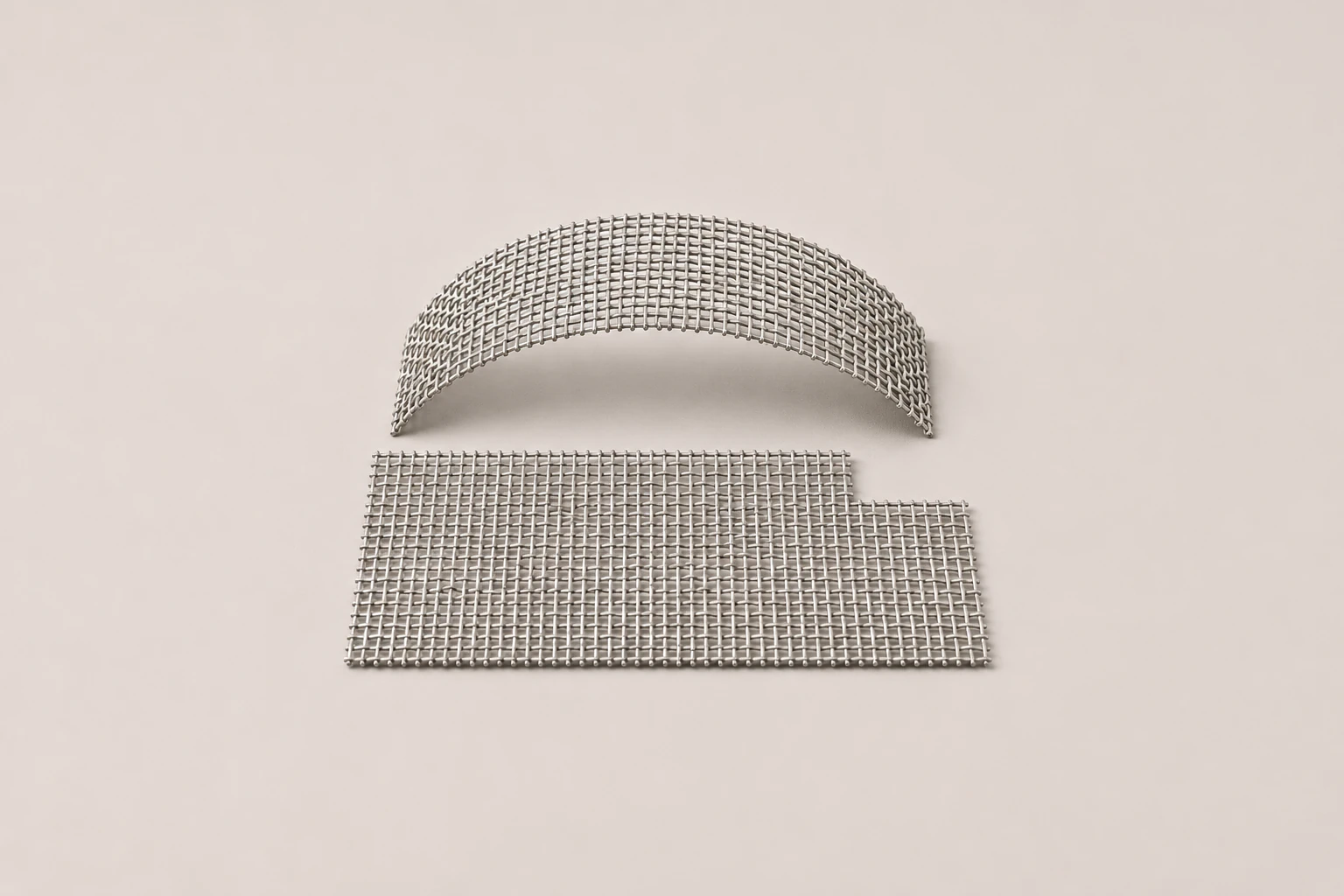
Cut flat blanks
Define the outline, active area, contact margins, edge condition and flatness. Include tolerances and the handling method for fine wires or narrow features.
Formed mesh parts
Supply a drawing for bends, curves, cylinders or other required shapes. Agree the forming sequence, tooling feasibility, springback allowance and dimensions after forming.
Replacement mesh parts
Provide the original drawing or sample dimensions, alloy identification, electrical specification and equipment interface. A matching outline alone does not establish electrical interchangeability.
Heating Element Mesh Buyer Guide
Turn your heating element mesh requirements into a drawing and an acceptance checklist. Work through the electrical example, mark the part interfaces and agree what a sample must demonstrate before comparing quotations.
Start with Voltage and Required Power
For a pure resistive heating element mesh load supplied with DC, voltage and power at the same specified operating state give an electrical resistance target and current. This example defines the electrical requirement; it does not select the mesh geometry.
- Voltage across the load
- 24 V DC
- Target load power
- 120 W
- Resistance at that state
- 4.8 Ω
- Current at that state
- 5 A
R = V² / P = 24² / 120 = 4.8 Ω
I = P / V = 120 / 24 = 5 A
If the power target applies at operating temperature, the calculated resistance applies at that state too. Do not copy it into a room-temperature acceptance requirement without the selected grade's resistance-temperature relationship. Alloy, wire geometry, crossings, contacts and heat removal still need review; these equations do not establish wire diameter, mesh count or an allowable temperature.
Kanthal: resistance materials and temperature-specific dataWhat to Mark on a Heating Element Mesh Drawing
Use numbered callouts to distinguish the active zone, contacts and mechanical interfaces. A drawing that shows only the outside dimensions leaves the electrical path and finished-part checks unresolved.
Active heating area
Dimension the zone intended to generate heat. Separate it from contact margins and mounting allowances; include the required airflow path for flow-through designs.
Outside and finished dimensions
State width, length and tolerances. For formed parts, identify whether each dimension applies before or after forming.
Electrical contact areas
Mark the energized edges, contact widths and the intended clamping or joining interface. Confirm which contact operations are included in the supply scope.
Current direction
Show how the part is connected relative to its length, width and wire directions. Do not assume rotating a mesh blank preserves its electrical behavior.
Bend or forming position
Locate bends, radii, seams or overlaps where required. State the finished profile and agree the proposed forming process before production.
Mounting and support positions
Show support locations, spans and clearances, together with the equipment design's allowance for thermal movement and electrical separation.
Resistance measurement boundary
Identify the measurement contacts and whether the agreed value includes terminals or contact interfaces. Use the same boundary for the sample and production checks.
Use these callouts to prepare your own part drawing. Actual dimensions, support positions and contact arrangements must follow the equipment design; the marked bend position is not a forming recommendation.
Agree Sample Acceptance Before Ordering
A heating element mesh sample should answer specific purchasing and integration questions. Record the required evidence and who will perform each check before ordering the sample.
| Acceptance item | Conditions to agree | Evidence and responsibility boundary |
|---|---|---|
| Material and traceability | Exact grade, permitted alternatives, part reference and required batch identification. | Agree the material documents and identification method to be supplied. A generic nickel-alloy description does not establish a specific resistance alloy. |
| Wire and opening geometry | Wire diameter in each direction, opening, weave and the drawing's tolerances. | Agree measurement locations and the required dimensional record. Specify how cut edges and wire damage are assessed. |
| Finished shape and fit | Dimensions after forming, bend locations, profile, contact margins and mounting interfaces. | Check the sample against the drawing revision and equipment fit. Agree any forming inspection or fixture requirement in the quotation. |
| Electrical resistance | Target, tolerance, temperature, contact positions and measurement method. | Agree the resistance record required for the supplied part. Define the contribution of measurement leads and contact resistance when selecting the method. |
| Installed heating behavior | Applied voltage, airflow or process conditions, supports, operating cycle and temperature-uniformity criteria. | The equipment manufacturer validates the installed heating zone. Mesh dimensions or a resistance reading alone cannot confirm the assembled heater's temperature distribution. |
Acceptance limits come from the approved drawing or order. Confirm available sample checks and documents in the quotation; this checklist is not a claim that every test is included.
Prepare a Useful Replacement or Failure Inquiry
If heating element mesh is underperforming, record the symptom and installation conditions before requesting a different alloy or replacement. The factors below are investigation leads, not a confirmed diagnosis.
| Observed symptom | Possible factors to investigate | Data to include with the inquiry |
|---|---|---|
| Local hot spots | Uneven current paths, damaged wires, contact differences or uneven cooling and support conditions. | Locations on the drawing, photographs, temperature observations, electrical connection layout, actual voltage and airflow conditions. |
| Lower overall heating than expected | Actual voltage or resistance differs from the design basis, the connection has changed, or heat removal differs from the intended duty. | Voltage across the part, measured resistance with temperature and contact boundary, power or current observations, and process conditions. |
| Overheating near contacts | Contact resistance, insufficient contact area, connection degradation or a mismatch between the interface and the part design. | Contact drawings and photographs, joining or clamping details, affected locations, and any agreed electrical inspection records. |
| Sagging or distortion after cycling | Element temperature, unsupported span, restrained thermal movement, mechanical load, contamination or alloy suitability. | Before-and-after dimensions, support layout, alloy identity, service atmosphere, temperature history and heating-cycle description. |
Have the equipment owner assess the complete installation and validation requirements. A material substitution alone does not resolve every electrical, thermal or mechanical cause.
Kanthal: element life, atmosphere and operating conditionsKeep These Three Specification Pairs Separate
Use the same measurement basis when comparing heating element mesh requirements, quotations and sample results. Similar units or temperature labels can describe different quantities.
| Specification pair | What differs | What to write in the RFQ |
|---|---|---|
| Cold and operating resistance | Resistance depends on the material and temperature. A room-temperature value and a hot-state requirement are not automatically interchangeable. | State each required value, its temperature, tolerance and contact boundary. Use the selected grade's data to establish any conversion. |
| Element and process temperature | Wire temperature and surrounding air, gas or furnace temperature describe different locations; their relationship depends on heat transfer and operation. | Identify where the stated temperature applies, how it is established, and the normal and peak service conditions. |
| Projected-area power density and wire surface load | Power divided by the mesh footprint differs from power divided by the active metal's surface area. Both may be expressed as W/cm², but they use different area definitions. | Name the area basis, active geometry and operating condition. Do not apply a wire surface-load limit to a mesh-footprint figure. |
A power-density figure needs its area definition and service conditions. These definitions do not provide a universal allowable load for mesh.
Kanthal: element temperature, heat transfer and surface loadingHow to Specify Heating Element Mesh
Use the buyer guide to prepare a heating element mesh inquiry, then follow this sequence from requirements to sample approval and quotation.
Define what the mesh must do
Identify direct resistance heating, rather than passive support, filtration or guarding. Describe the heated medium, required heat distribution, operating cycle and installation space.
Set the electrical acceptance criteria
Use the electrical example to distinguish a power target from a resistance acceptance value. Record the state, tolerance and measurement boundary required by your equipment design.
Review the alloy and environment
Compare NiCr, FeCrAl or the specified alternative against grade data, element temperature, atmosphere and fabrication needs. The Kanthal reference below identifies these resistance-alloy families; it does not qualify a finished mesh part.
Dimension the mesh and formed part
Apply the seven drawing callouts to the requested part. Keep the active zone, contact margins, formed dimensions and support interfaces identifiable.
Agree a sample and inspection basis
Select the relevant acceptance checks from the guide and confirm the sample scope, required records and equipment-level validation before production.
Compare quotations on the same scope
Request separate confirmation of material, cutting, forming, any proposed joining, inspection, packing and delivery. Confirm feasibility, minimum order quantity and lead time for the actual specification.
Connect the Mesh Order to Your Equipment Requirements
Define heating element mesh around the active heating zone, airflow path, equipment fit and acceptance criteria. Clear requirements help purchasing and engineering compare the same finished-part scope.
Fit the required heating zone
Discuss cut and formed dimensions around the available installation space. Defined contact margins, bends and mounting interfaces give the fabricator more than an outside outline to work from.
Account for the airflow path
For flow-through equipment, consider openings and active geometry together with the airflow requirement. Open structure alone does not establish pressure drop or heat-transfer performance.
Make electrical acceptance explicit
A heating element mesh resistance target tied to temperature and contact boundaries helps avoid accepting a part solely because its dimensions look correct.
Support consistent repeat orders
Keep alloy, wire geometry, drawing revision and agreed inspection requirements with the part reference so future quotations and deliveries use the same basis.
Where Mesh Heating Designs Are Evaluated
Consider heating element mesh where the equipment design calls for an electrically heated open structure. Application suitability depends on the selected alloy, circuit, supports and actual service conditions.
Air and process-gas heaters
An open mesh structure can allow flow through the heated area. Specify gas composition, flow distribution, element temperature and the electrical contact layout for design review.
Radiant heating equipment
A flat or formed mesh heating surface may be considered within an equipment-defined heating zone. Provide the active area, surrounding geometry and support arrangement.
Drying and thermal-processing equipment
For a design using direct mesh heating, define the process atmosphere, contamination exposure, heating cycle and cleaning requirements alongside the electrical specification.
OEM and replacement parts
Use an approved drawing and acceptance criteria for production or maintenance procurement. Confirm interfaces and electrical behavior before treating a replacement as equivalent.
Common Specification Gaps
Resolve these differences before comparing heating element mesh quotations or approving a sample.
Ordering a passive heat-resistant screen
A furnace support screen may withstand heat without meeting the resistance or contact requirements of an energized mesh. State explicitly that the mesh itself is the resistive element.
Using mesh count as an electrical specification
The same mesh count can have different wire diameters, alloys and openings. Provide full geometry and a finished-part resistance requirement.
Leaving contacts out of the drawing
Identical mesh blanks connected differently can have different current paths. Mark contact areas, current direction and the measurement boundaries.
Applying a wire temperature limit to the assembly
An alloy wire rating does not establish the allowable temperature of a formed mesh part, its joints, supports or heater assembly. Review the complete installation conditions.
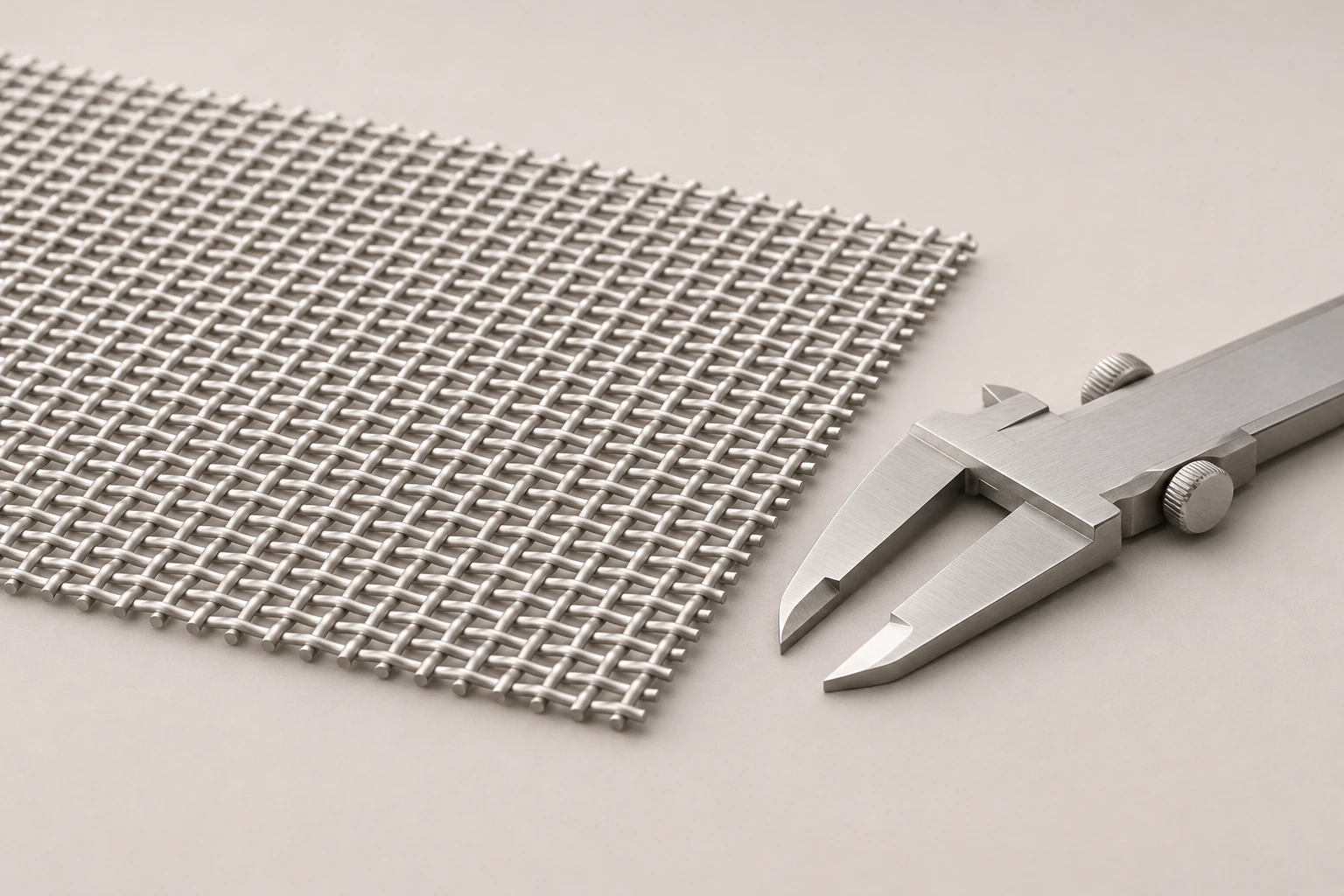
Use the approved drawing and equipment manufacturer's procedures for fitting, electrical testing and commissioning.
Check the Part Before Equipment Integration
Verify identification and dimensions
Check the supplied heating element mesh against the ordered alloy, mesh geometry, part reference, active area, formed dimensions and agreed documents.
Inspect wires and cut edges
Look for broken wires, distorted openings, loose strands, damaged bends and contamination. Review any defect against the agreed acceptance criteria before assembly.
Check contact and mounting interfaces
Compare contact margins, support locations and clearances with the drawing. The equipment design must account for thermal movement and electrical separation.
Complete the agreed acceptance checks
Measure resistance at the stated temperature and contact boundaries using the agreed method. Equipment-level electrical and heating validation remains part of the approved integration procedure.
Protect Geometry and Part Identification
Agree packing for heating element mesh in the ordered form. Fine wire, cut margins and formed shapes need protection from crushing, movement and contamination during transit.
Separate mesh surfaces
Specify suitable interleaving and restraint so adjacent parts do not snag, abrade or tangle during handling.
Support formed shapes
Agree trays, inserts or blocking that protect bends and cylindrical profiles without imposing unwanted deformation.
Identify each specification
Keep the part reference, drawing revision, alloy, quantity and agreed batch identification connected to the supplied material.
Match documents to the shipment
Confirm the required material and inspection records, packing list and receiving checks before dispatch.
Four Ways to Frame Your Mesh Inquiry
Choose the closest heating element mesh supply form, then apply the drawing callouts and acceptance checklist to your own requirement.
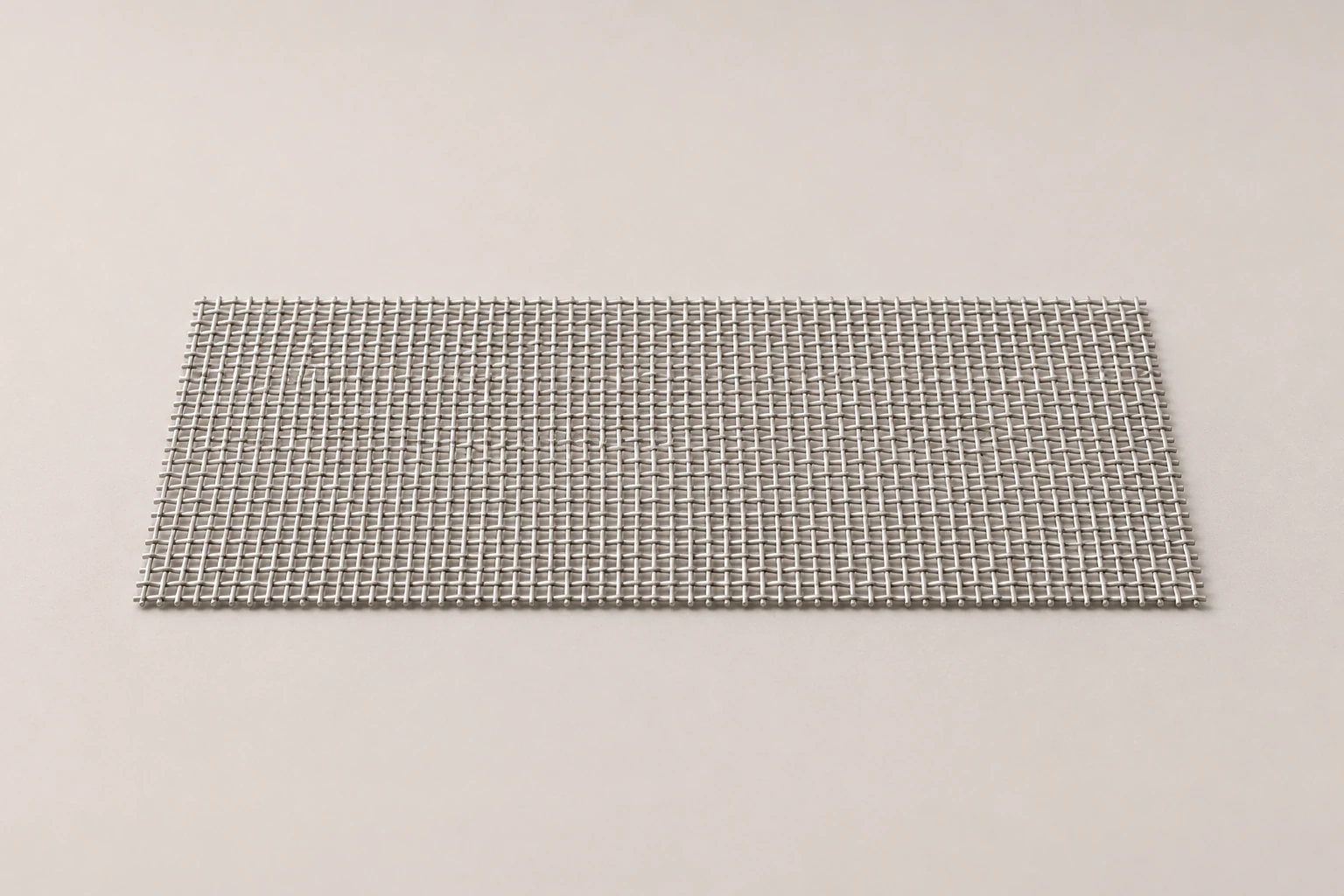
Flat heater blank
Provide active length and width, contact margins, NiCr or FeCrAl grade, mesh geometry, target resistance and measurement temperature for a flat cut-part inquiry.
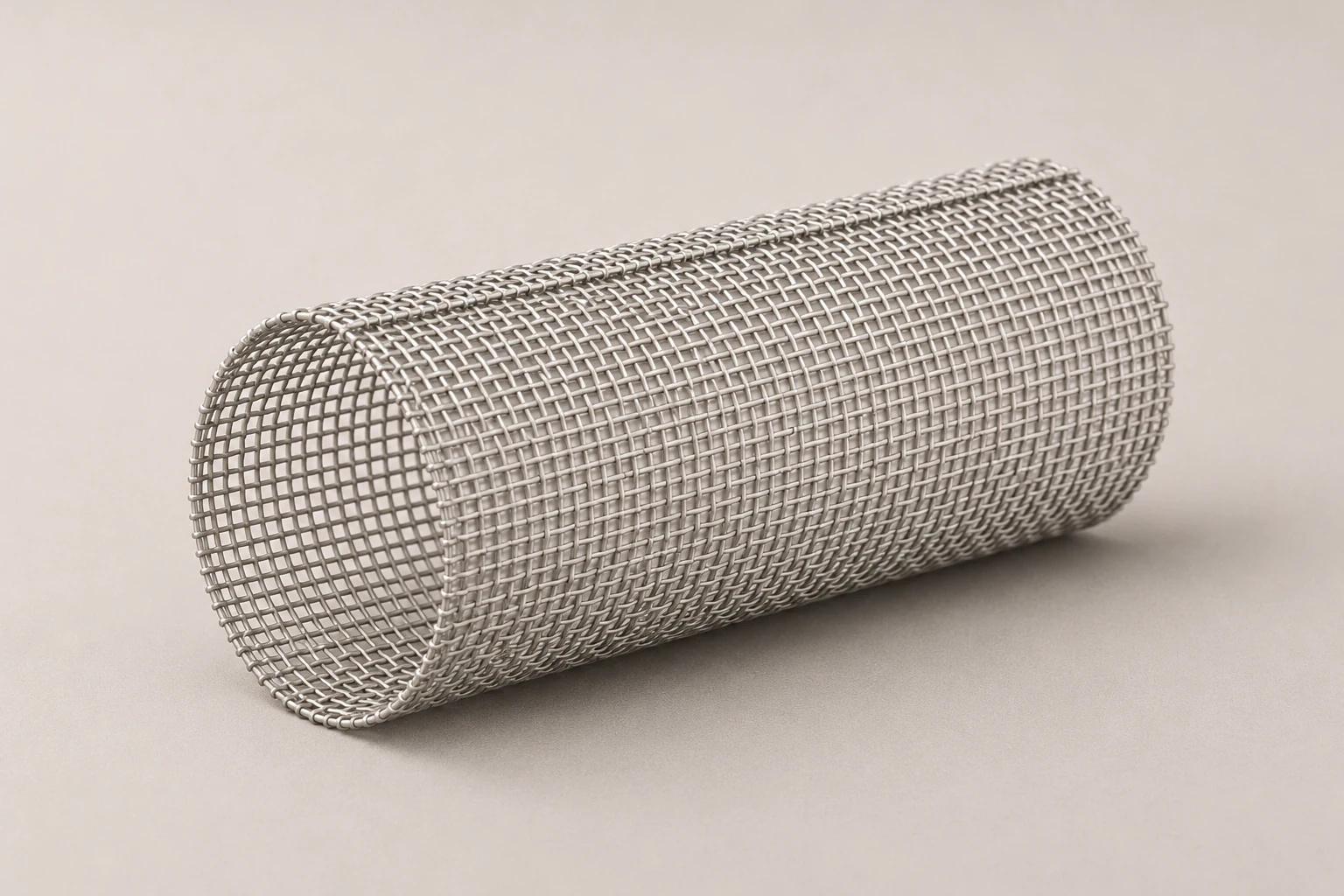
Cylindrical mesh part
Include formed diameter and length, seam or overlap proposal, current direction, support locations and tolerances after forming.
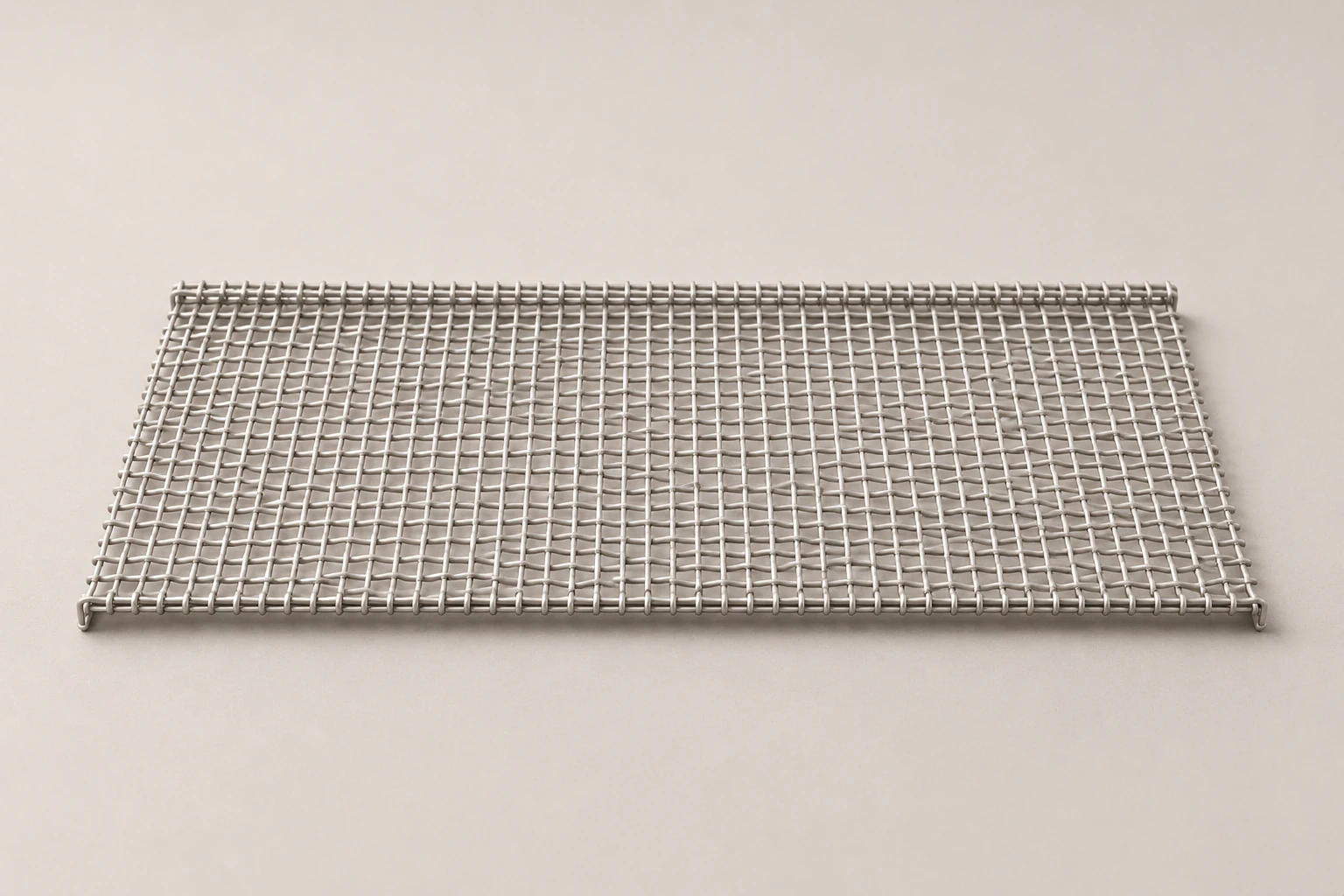
Flow-through heating panel
Define the open area, airflow and gas environment, active zone, contact locations, operating cycle and equipment-level validation requirements.
Drawing-based replacement
Send the drawing revision, material identity, dimensions, electrical acceptance criteria, photographs and known failure observations for replacement review.
Heating Element Mesh Resources
Use the material and mesh references to develop a specification. The external sources explain resistance-alloy families and woven-mesh heating principles; availability and finished-part acceptance are confirmed against your inquiry.
Related Mesh Guides
Technical References
Heating Element Mesh FAQ
Answers for buyers specifying mesh material, formed parts and acceptance requirements for industrial heating equipment.
Have a drawing or an existing mesh part?
Send your drawing, material, dimensions and electrical requirements so we can review the mesh and fabrication scope with your inquiry.
Discuss Your SpecificationRequest a Heating Element Mesh Quote
Use the buyer guide to bring alloy, active geometry, formed dimensions and electrical acceptance criteria into one heating element mesh inquiry. Include the drawing revision, operating conditions, sample-check requirements, quantity, destination and required delivery date for material and fabrication review.