Stainless Steel Knitted Wire Mesh for Material Sourcing and Replacement
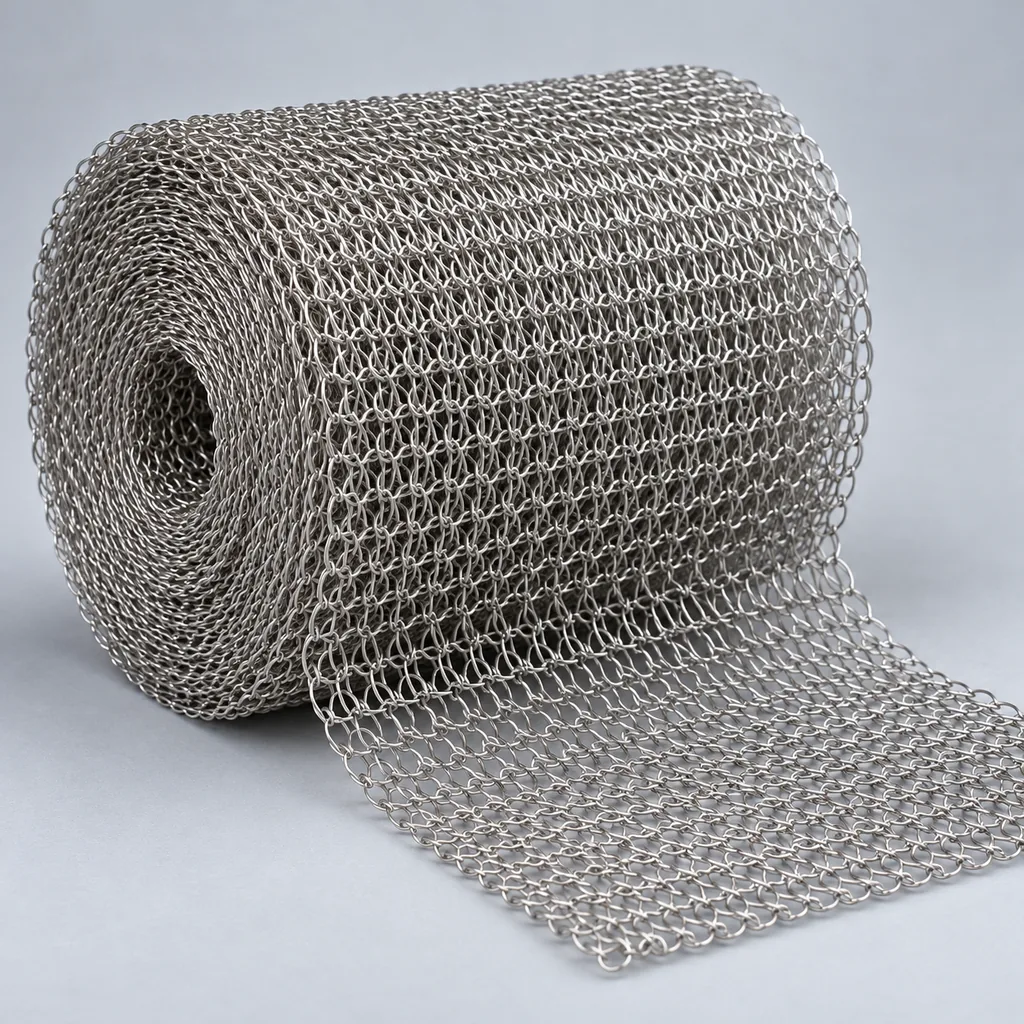
Source 304 stainless steel knitted wire mesh for mist elimination, replacement media and further fabrication. Define the supply form, measurement basis and operating duty so quotations describe the same material. Start with a specification, an existing sample or a drawing.
FOB reference price from $10.00 / m². Varies by spec and quantity; final quote on inquiry.
Turn a Mesh Requirement Into a Comparable Quote
For stainless steel knitted wire mesh sourcing, resolve the material form, replacement evidence and measurement basis early.
Define the item being supplied
Distinguish mesh material from a finished pad or compressed component. Match dimensions, layers and included parts to the actual purchase.
Identify an existing material
An old sample or drawing can start the inquiry. Record its form and condition, then identify which dimensions, material details and operating requirements still need confirmation.
Compare the same specification
Align width definitions, layer counts, weight units and inspection scope before comparing prices. Similar-looking mesh can represent a different quantity or construction.
Catalog Mesh Count
40–120
Catalog Wire Diameter
0.08–0.25 mm
Catalog Aperture
0.132–0.385 mm
Catalog Open Area
36.8–38.8%
Listed Material
304 Stainless Steel
Catalog Specifications
3
Sample Inquiry
Ask About a Sample
Use Catalog Values as Inquiry References
Select an existing catalog entry to identify your inquiry, then confirm its construction and measurement basis. These values do not establish certified filtration accuracy, separation efficiency, woven-screen tolerances or a pressure-drop guarantee.
Catalog Reference Specifications
These existing catalog entries remain available for selecting an inquiry reference. Confirm their meaning, wire construction and measurement basis before ordering. Mesh count, aperture and open area are not a verified filtration rating or a finished-element performance specification.
Don't see the specification you need? Ask about other options.
Tell us the product, specification, or application. You can inquire even if the details are incomplete.
| Catalog Mesh Count | Catalog Wire Diameter (mm)Catalog Wire Diameter (inch) | Catalog Aperture (mm)Catalog Aperture (inch) | Catalog Open Area | Catalog Weight (kg/m²)Catalog Weight (lb/sq.ft) | |
|---|---|---|---|---|---|
| 40 Mesh | 0.250 mm0.00980" | 0.385 mm0.01520" | 36.8% | 1.25 kg/m²0.2600 lb/sq.ft | |
| 80 Mesh | 0.120 mm0.00470" | 0.198 mm0.00780" | 38.8% | 0.58 kg/m²0.1200 lb/sq.ft | |
| 120 Mesh | 0.080 mm0.00310" | 0.132 mm0.00520" | 38.8% | 0.38 kg/m²0.0800 lb/sq.ft |
Download the Full Wire Mesh Catalog
Get the complete catalog with specifications, applications, and ASTM compliance — as a PDF.
Specify the Mesh for Your Application
Specify the knitted mesh in terms that both buyer and supplier can check. Identify the supply form, document how dimensions are measured and compare the same scope before placing an order.
Identify Replacement Mesh From an Existing Sample
Use these steps when sourcing stainless steel knitted wire mesh without a complete specification. Preserve the distinction between observed details and details that still require verification.
1.Find the material's existing identity
- Collect
- Labels, lot references, old drawings, previous order records and any material documents.
- Confirm
- Which records belong to the actual sample and which material or construction details remain unknown.
2.Photograph the form and loops
- Collect
- An overall view, close views of the loops and edges, and a dimensional view with a size reference.
- Confirm
- Visible construction and supply form. Photographs alone cannot prove the alloy grade, wire diameter or equivalent service performance.
3.Record dimensions without hiding the state
- Collect
- Width, length, thickness, layer count and available weight records, with units and notes about stretching or compression.
- Confirm
- The dimension definitions and a repeatable measurement method. Identify wear or deformation that could change the apparent size.
4.Describe the duty and reason for replacement
- Collect
- Application, media, operating conditions, cleaning practice, observed problems and any change from the previous duty.
- Confirm
- Whether the requirement is a same-duty replacement or needs a new construction review, plus the proposed sample and acceptance steps.
Compare Knitted Mesh Quotes
Resolve these common comparison gaps before judging which quotation offers the right quantity and scope. Confirm requested supply forms and options with the quotation.
| Comparison Trap | Information to Align | Quotation Confirmation |
|---|---|---|
| The same width describes different items | Tube diameter or laid-flat width; relaxed or stretched state; length and thickness | One supply form, dimension definition and measurement condition |
| Similar mesh is priced with different layer or weight bases | Wire construction, ply count, net mesh mass and area or volume basis | The same construction and quantity basis, with packaging mass identified separately |
| A low roll price hides a different quantity | Roll dimensions and net mesh mass; price per roll, kilogram or stated area | Quoted quantity unit and the measurements used for any price conversion |
| Material and documentation scopes differ | Ordered grade, lot identification and requested inspection or material records | Exactly which documents and inspection activities are included |
| Mesh-only and assembly quotations are compared | Mesh material versus a formed element; any grids, supports, fixings and packing | Included components, drawing revision, delivery scope and acceptance requirements |
Supply Forms, Dimensions and Weight Basis
Stainless steel knitted wire mesh can be processed into several industry forms. The explanations below help define an inquiry; confirm which form and dimensions are available for the quoted item.
- Tubular mesh
- A continuous knitted tube has an inside and outside form. State whether the required size is a tube diameter or a width measured after flattening, and define the material state.
- Flattened mesh strip
- Flattening a tube brings its two walls together. Laid-flat width is not tube diameter; record whether the quoted layer count describes the flattened tube or additional stacked material.
- Corrugated mesh
- Corrugating adds a wave profile to flattened mesh. Distinguish the wire diameter from the overall profile height and specify how thickness is measured.
- Compressed or formed mesh
- A die-formed ring, pad or other component needs finished dimensions, a drawing and an agreed density basis. Its dimensions are separate from the original strip width and wire diameter.
- Measurement state
- Knitted loops can move relative to one another. Record whether the material is relaxed, stretched or compressed, how it is supported and the number of layers being measured. Agree the method before assigning dimensional tolerances.
- Wire diameter and knit reference
- Wire diameter describes the individual wire, not the mesh thickness. Include the knit reference, strand or layer information where known; wire diameter alone does not define the finished fabric.
- Mass per area: g/m² or kg/m²
- For mesh supplied by area, state which projected area and ply count the mass covers. A single-ply area basis and a flattened two-wall tube basis describe different amounts of material.
- Bulk density: kg/m³
- For a formed element, specify mesh mass per agreed external volume and the compression state. This is different from the density of solid stainless steel and cannot identify mesh performance on its own.
Where Knitted Stainless Steel Mesh Is Used
This mesh is listed for demister pads, scrubbers, vapor filtration and automotive applications. For separation equipment, describe the process and finished element; for automotive inquiries, identify the component and mechanical duty.
- Mesh media for demister pads
- Scrubber gas–liquid separation
- Vapor filtration elements
- Automotive mesh component inquiries
304 Stainless Steel and Service Compatibility
Start With the Listed Material
The listed material for this knitted mesh is 304 stainless steel. Select the grade against the actual gas, liquid, temperature and cleaning conditions. A material name alone does not establish the suitability of a complete filter or separator.
Request any required material identification, composition report or traceability documents with your inquiry.
Material Questions to Resolve
- Process exposure:Identify the medium, contaminants and cleaning chemicals that contact the wire.
- Temperature and pressure:State the operating range and any startup, shutdown or cleaning conditions.
- Material documents:Agree the required material designation, traceability and inspection records before ordering.
Sample and Delivery Acceptance Checklist
Agree the inspection method and acceptance criteria for stainless steel knitted wire mesh before ordering. Record the same material state when checking a sample and the delivered goods; dimensional tolerances and document requirements belong in the agreed order.
| Check | What to Record | Inspection Basis | Order Confirmation |
|---|---|---|---|
| Material identification | Product, batch or lot identification and supplied documents | Compare labels and documents with the ordered material designation | Required traceability and material records |
| Wire and loop construction | Wire diameter, knit reference and observed construction | Agreed instrument, sampling locations and approved sample or drawing | Wire specification and acceptance method |
| Dimensions and material state | Width, length and thickness with units and layer count | Use the agreed relaxed, stretched or compressed condition | Measurement references, state and tolerances |
| Weight and quantity | Net mesh mass, length, area or number of items as ordered | Exclude packaging from net mesh mass; retain the agreed area or volume basis | Quantity unit, layer basis and weight acceptance criteria |
| Appearance and edges | Visible loop damage, loose wire, contamination or transport deformation | Compare against the agreed finish, sample and handling requirements | Acceptable appearance and procedure for discrepancies |
| Packing and included parts | Package condition, labels and any quoted accessories | Check delivery contents against the agreed packing list | Packing, identification and included-component scope |
Knitted Wire Mesh Technical References
- “Knitting produces mesh of interlocking loops”Metal Textiles: Intro to Knitted Wire MeshExplains the loop structure and movement of knitted mesh, supporting the construction comparison in this guide.
- “Knitted wire mesh manufacturing connects wire into an interlocking series of loops.”ACS Industries: Knitted Wire Mesh SolutionsExplains knitted and woven constructions and the role of material, wire diameter, density and layers in selection.
- “the droplets coalesce and drain.”Sulzer: KnitMesh™ Wire Mesh Mist EliminatorsExplains droplet capture and coalescence in a knitted mesh bed. The cited equipment's performance figures are specific to that equipment.
Custom Processing for Knitted Mesh · Quality Assurance for Knitted Mesh · Packaging & Logistics
Custom Processing for Knitted Mesh
Fabrication of knitted mesh into functional shapes before shipment.
Compressed Shapes
Knitted mesh compressed into rings, cylinders and pads at controlled density for sealing and damping parts.
Demister Pad Assembly
Multi-layer pads assembled with support grids and tie wires to your vessel diameter and thickness.
Cut-to-Length Sleeves
Knitted sleeves and tapes cut to length for EMI shielding, filtration and anti-vibration wrapping.
Quality Assurance for Knitted Mesh
Knitted products are verified for density, material and fit before export.
Density Verification
Compressed parts weighed and dimensioned to hold specified density and compression recovery.
Material Certification
Wire and filament lots covered by mill certificates; metal-plastic combinations documented per order.
Fit Inspection
Demister pads and rings trial-checked against your drawing dimensions before packing.
Packaging & Logistics
Packing that preserves shape and cleanliness of knitted products.
Carton Packing
Pads, rings and sleeves packed in cartons with PE liners to keep out dust and moisture.
Shape Protection
Compressed shapes cushioned to prevent deformation; demister pads shipped flat with edge guards.
Container Loading
Optimized 20GP / 40HQ loading plans with photos and loading reports shared before vessel departure.
Trade Terms
FOB Tianjin or CIF major ports; DHL, FedEx and SF Express available for sample shipments worldwide.
Stainless Steel Knitted Wire Mesh: Buyer Questions
Compare Mesh Materials and Finished Components
Browse All Products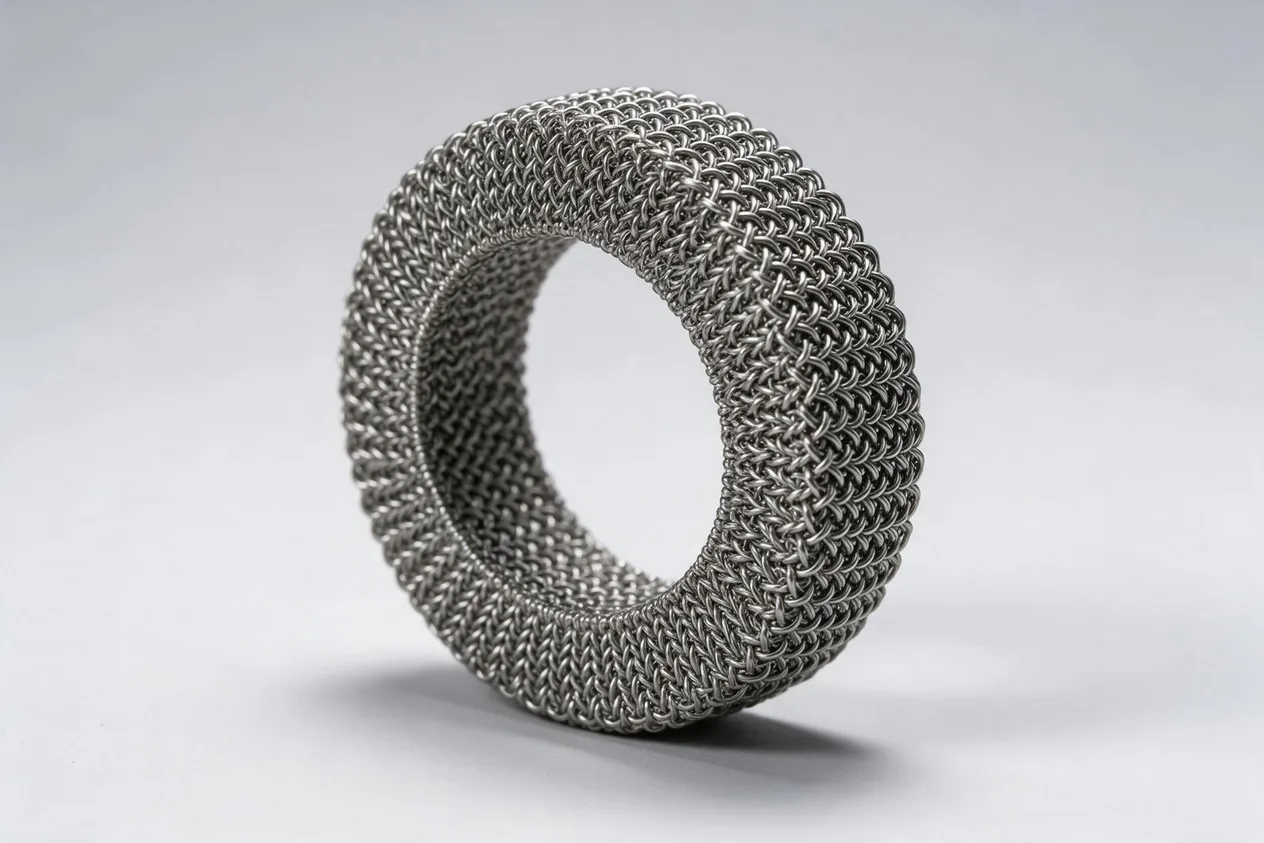
Compressed Knitted Wire Mesh Ring
304 Stainless Steel · 40–120 mesh
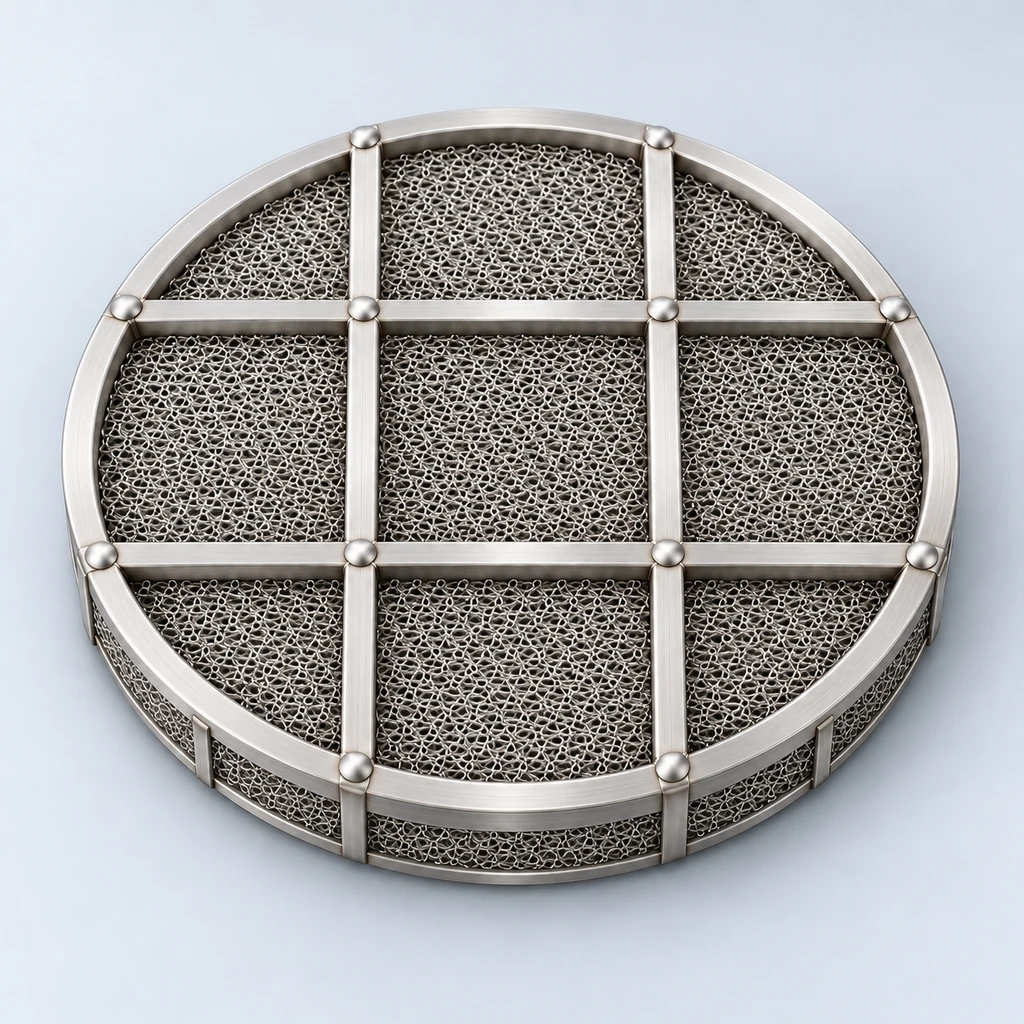
Knitted Wire Mesh Demister Pad
304 Stainless Steel · 40–120 mesh
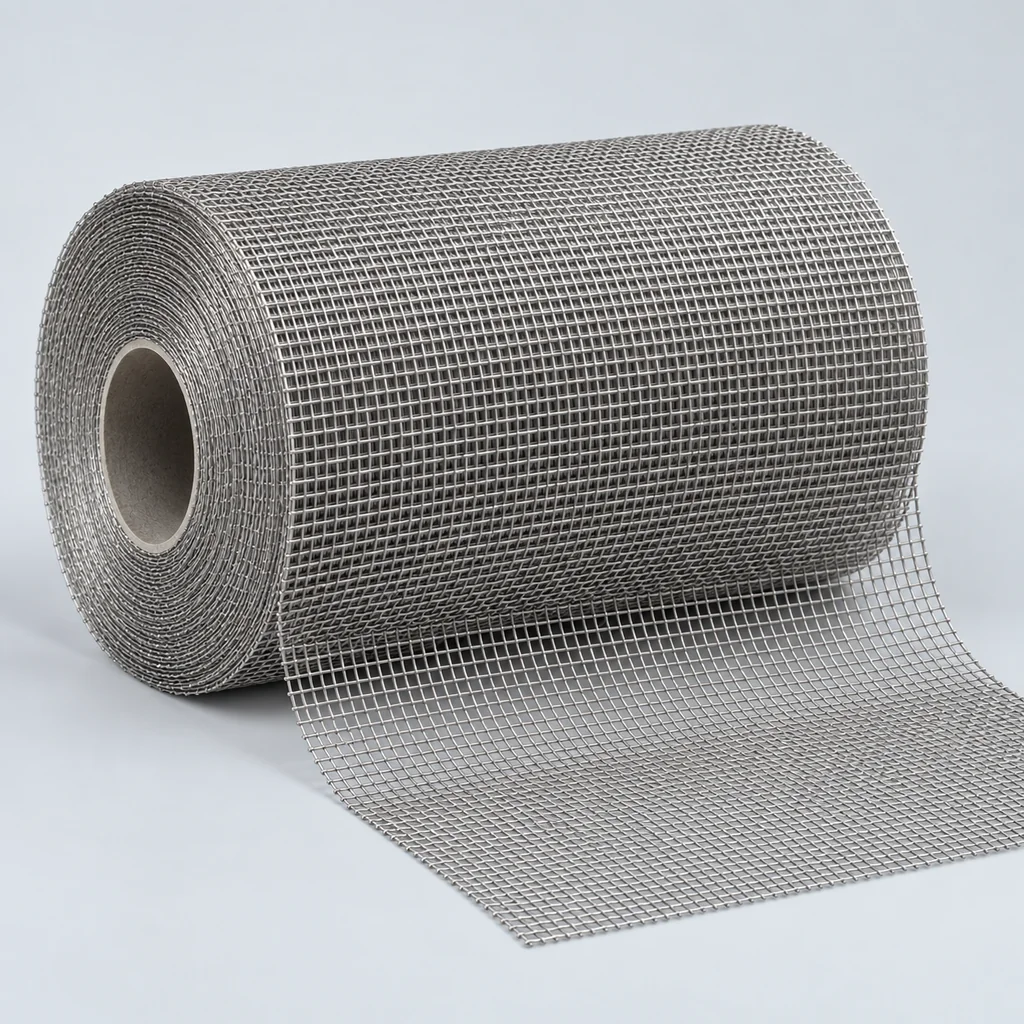
304 Stainless Steel Plain Weave Mesh
304 Stainless Steel · 20–325 mesh
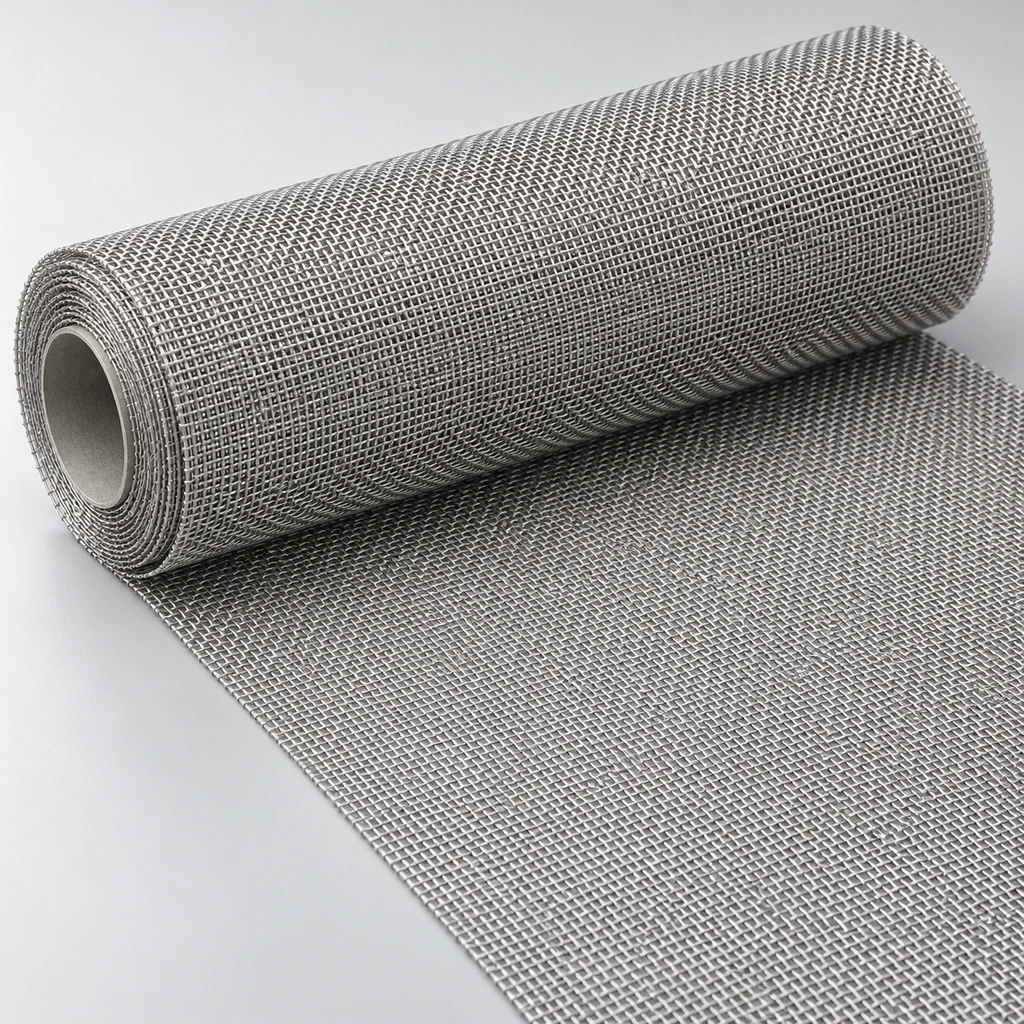
304 Stainless Steel Twill Weave Mesh
304 Stainless Steel · 20–325 mesh
Request Your Stainless Steel Knitted Wire Mesh Quote
Compare stainless steel knitted wire mesh on the same supply form, dimensions and weight basis. Send a specification, drawing or old-sample record with your operating duty and acceptance requirements to request a matched quotation.