Betonstaalmatten voor vloerplaten, opritten en funderingen
Koop betonstaalmatten in platen, rollen of gelaste panelen op maat. Vergelijk maaswijdte, draaddikte, materiaal, toepassing, verpakking en levering voordat u een offerte aanvraagt.
Specificaties bekijkenBelangrijkste specificaties van betonstaalmatten
Overzichtelijke specificatiekaarten en een vergelijkingstabel helpen kopers het juiste product te bevestigen vóór de offerte-aanvraag (RFQ).
100 x 100 mm, 150 x 150 mm, 6 x 6 in, 4 x 4 in
Gauge 10, 8, 6 of diameter volgens tekening
Vlakke platen, rollen, breedte en lengte op maat
Zwartstalen of verzinkte betonstaalmat
ASTM A1064 op projectaanvraag
Selecteer één of meer specificaties. Uw keuzes worden opgenomen in de offerteaanvraag.
0 specificaties geselecteerd
| Specificatie | Gangbare opties | Geschikt voor | Opmerking voor offerte | |
|---|---|---|---|---|
| Maaswijdte | 100 x 100 mm, 150 x 150 mm, 6 x 6 in, 4 x 4 in | Vloerplaten, opritten, trottoirs, terrassen | Bevestig maaswijdte en tolerantie aan de hand van de tekening. | |
| Draaddikte / diameter | Van lichte rollen tot zware gelaste panelen | Van lichte bestrating tot industrievloeren | Stuur draaddikte, diameter of constructietekening. | |
| Plaat- / rolafmeting | Vlakke platen, rollen, panelen op maat | Handling op de bouwplaats, knipwerk en exportverpakking | Vermeld breedte, lengte, aantal en verpakking. | |
| Materiaal en afwerking | Zwart staal, verzinkt staal | Beton binnen of vochtige buitenomgeving | Geef afwerking en corrosie-eis op. |
Toepassingsscenario's van betonstaalmatten
Visuele gebruiksscenario's helpen de gebruiker het product te bevestigen vóór de aanvraag.
Betonnen vloerplaten
Scheurbeheersing voor gangbare vloerplaten.
Opritten
Berijdbare verharding en garageplaten.
Trottoirs
Lichte rolmatten, eenvoudig te knippen.
Terrassen
Wapening van woningbestrating.
Funderingen
Matkeuze op basis van tekening.
Industrievloeren
Zware platen en lastplanning.
Vormen en formaten van betonstaalmatten
Elk mattype past bij andere projectbehoeften. Vergelijk platen, rollen, verzinkte en zware uitvoeringen.
Gelaste matten in platen
Vlakke platen voor vloerplaten, opritten en magazijnvloeren.
Wapeningsmatten op rol
Rollen voor trottoirs, terrassen en lichte bestrating.
Verzinkte betonstaalmatten
Verzinkte afwerking voor corrosiegevoelig werk.
Zware wapeningsmatten
Zware panelen voor wegfunderingen en industrievloeren.
Related in-depth guides
Zo kiest u de specificatie van de betonstaalmat
Help de gebruiker van toepassing naar specificatie vóór de offerte-aanvraag.
Kleine vloerplaat
Gebruik lichte rolmatten of standaard gelaste platen. Let op eenvoudige plaatsing, overlap en afstandhouders.
Oprit
Kies sterker gelaste platen of zwaardere rolmatten. Bevestig plaatdikte en verwachte voertuiglast.
Fundering / zware belasting
Offerte op basis van tekening: diameter, hart-op-hartafstand, staalkwaliteit, paneelmaat en tolerantie.
Mat vs wapeningsstaal
Matten zijn snel en kostenefficiënt voor veel vloerplaten. Wapeningsstaal is sterker bij zwaardere constructieve belastingen.
Waarom kopers betonstaalmatten gebruiken
De belangrijkste technische en commerciële voordelen die de aankoop bepalen.
Scheurbeheersing
Beperkt de beweging van krimpscheuren.
Wapent het beton
Voegt treksterkte toe in vloerplaten.
Snelle plaatsing
Platen en rollen versnellen het leggen.
Kostenefficiënt
Kan goedkoper zijn dan sommige wapeningsstalen oplossingen.
Knipwerk en maatwerk
Verkrijgbaar in aangepaste maten en vormen.
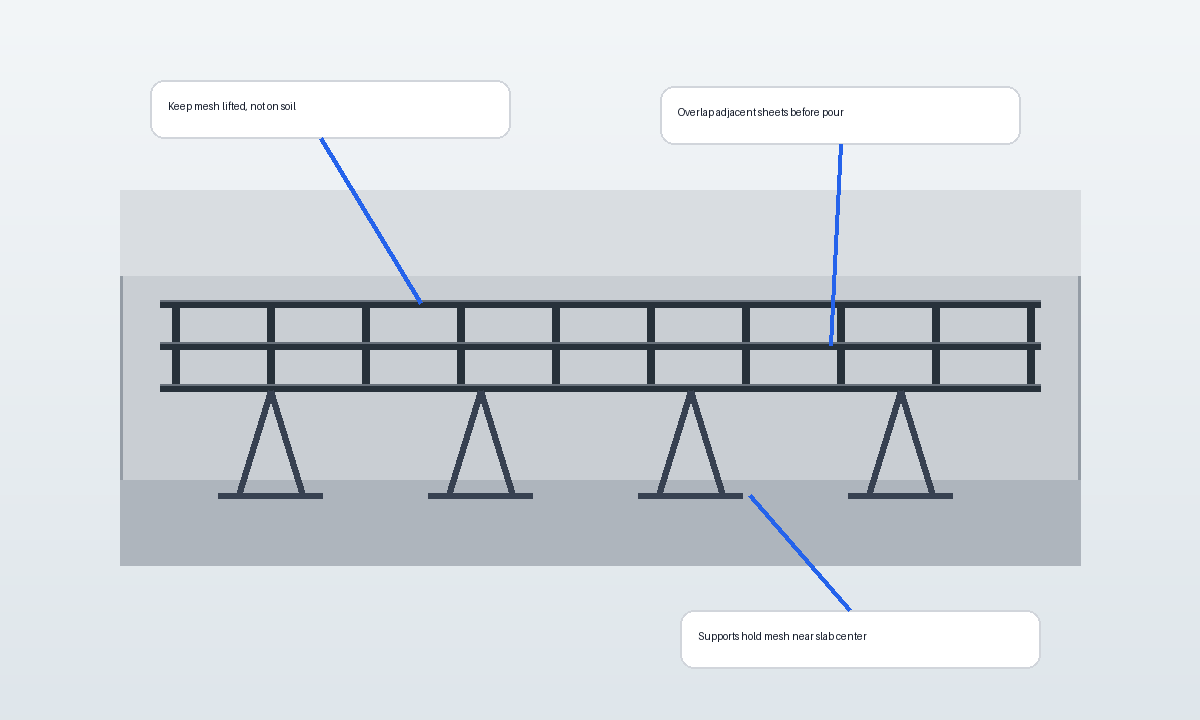
De mat moet in de vloerplaat worden ondersteund. Direct op de grond gelegd verliest de mat haar wapeningswaarde.
Basisprincipes van plaatsing
Positie midden-boven
Leg de mat in de betonsectie, doorgaans tussen het midden en de bovenkant, afhankelijk van het ontwerp.
Overlappen van matten
Overlap platen of rollen volgens de projecttekeningen zodat de wapening doorlopend blijft.
Gebruik afstandhouders
Ondersteuningen houden de mat op zijn plaats tijdens het storten.
Niet op de grond laten liggen
Een mat onder de vloerplaat heeft nauwelijks wapeningswaarde.
Verpakking en levering van betonstaalmatten
Commerciële orders vragen duidelijke verpakkings- en logistieke gegevens vóór de eindprijs.
Platen / rollen
Bevestig vlakke platen, rollen of panelen op maat.
Palletverpakking
Gebruik pallets, bundels, wikkelfolie en etiketten.
Bulkorder
Offerte per vierkante meter, rol, plaat of container.
Levering / export
Vermeld haven van bestemming en Incoterm.
Maatwerk
Bevestig knipmaat, rolbreedte en paneelmaat.
Toepassingsscènes van betonstaalmatten
Visuele gebruiksscenario's helpen de gebruiker het product te bevestigen vóór de aanvraag.
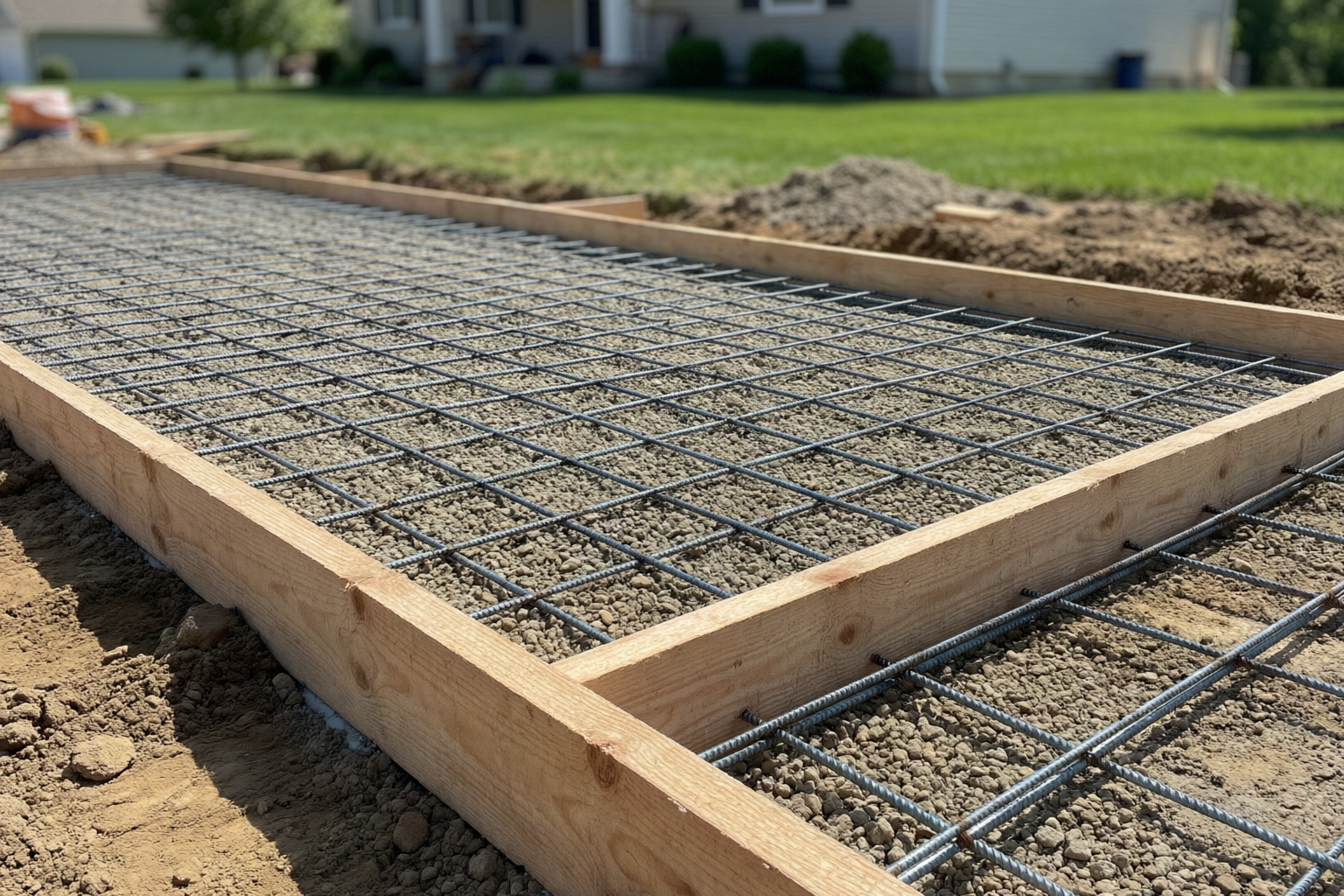
Oprit
Vlakke matten in platen of rollen voor berijdbaar betonwerk.
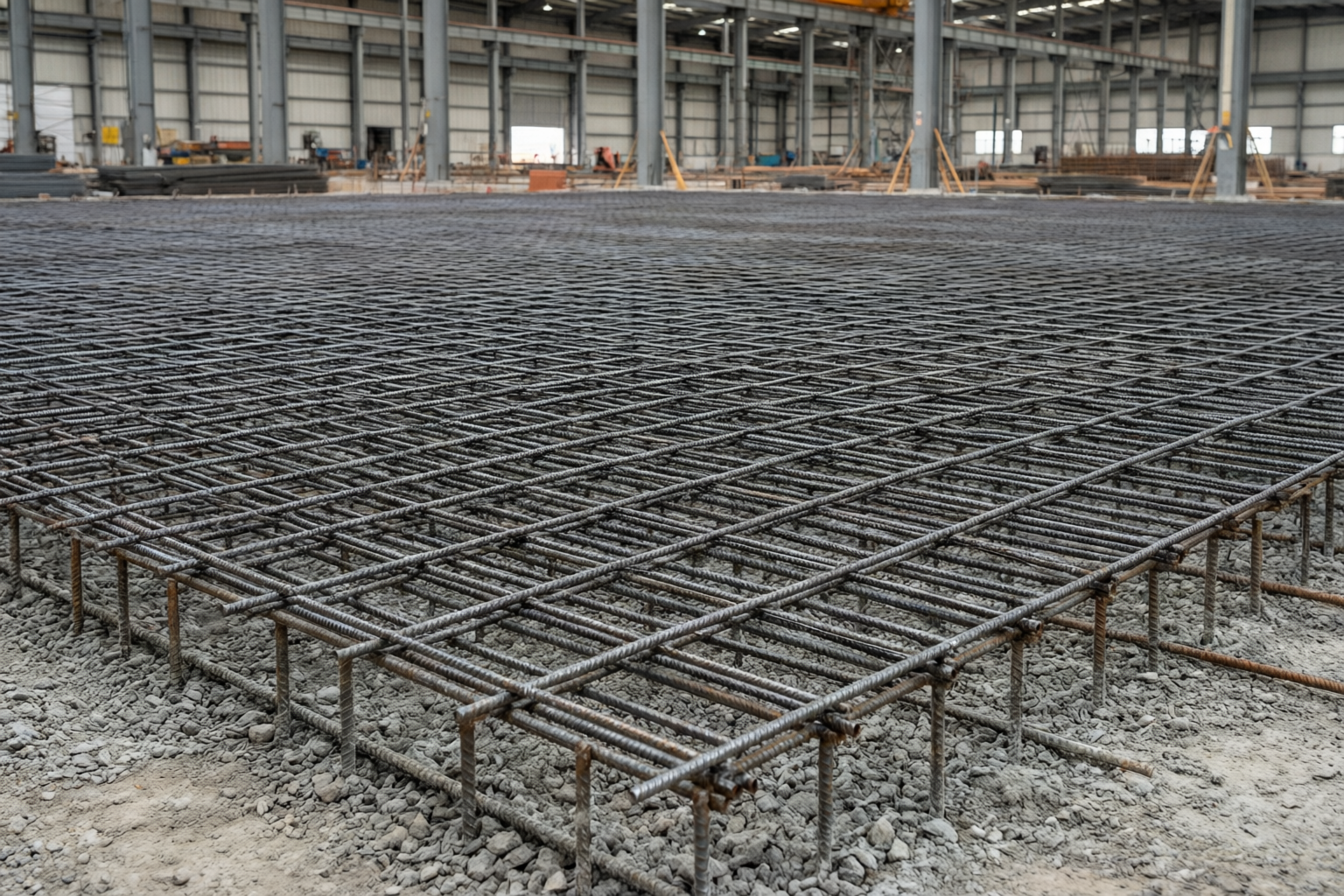
Industrievloer
Zware matten voor magazijn- en fabrieksvloeren.
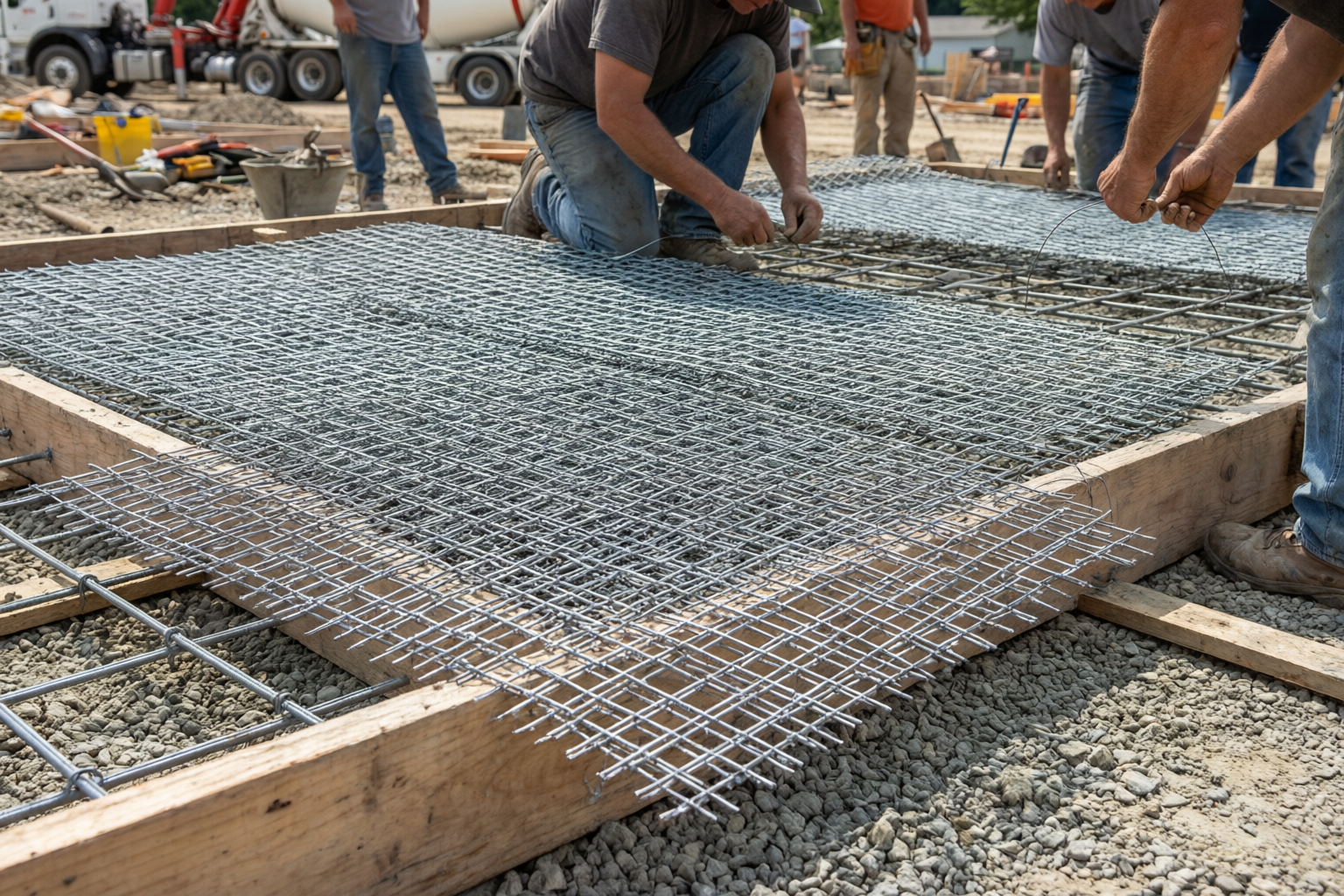
Plaatsing op de bouwplaats
Mat gepositioneerd vóór het storten van het beton.
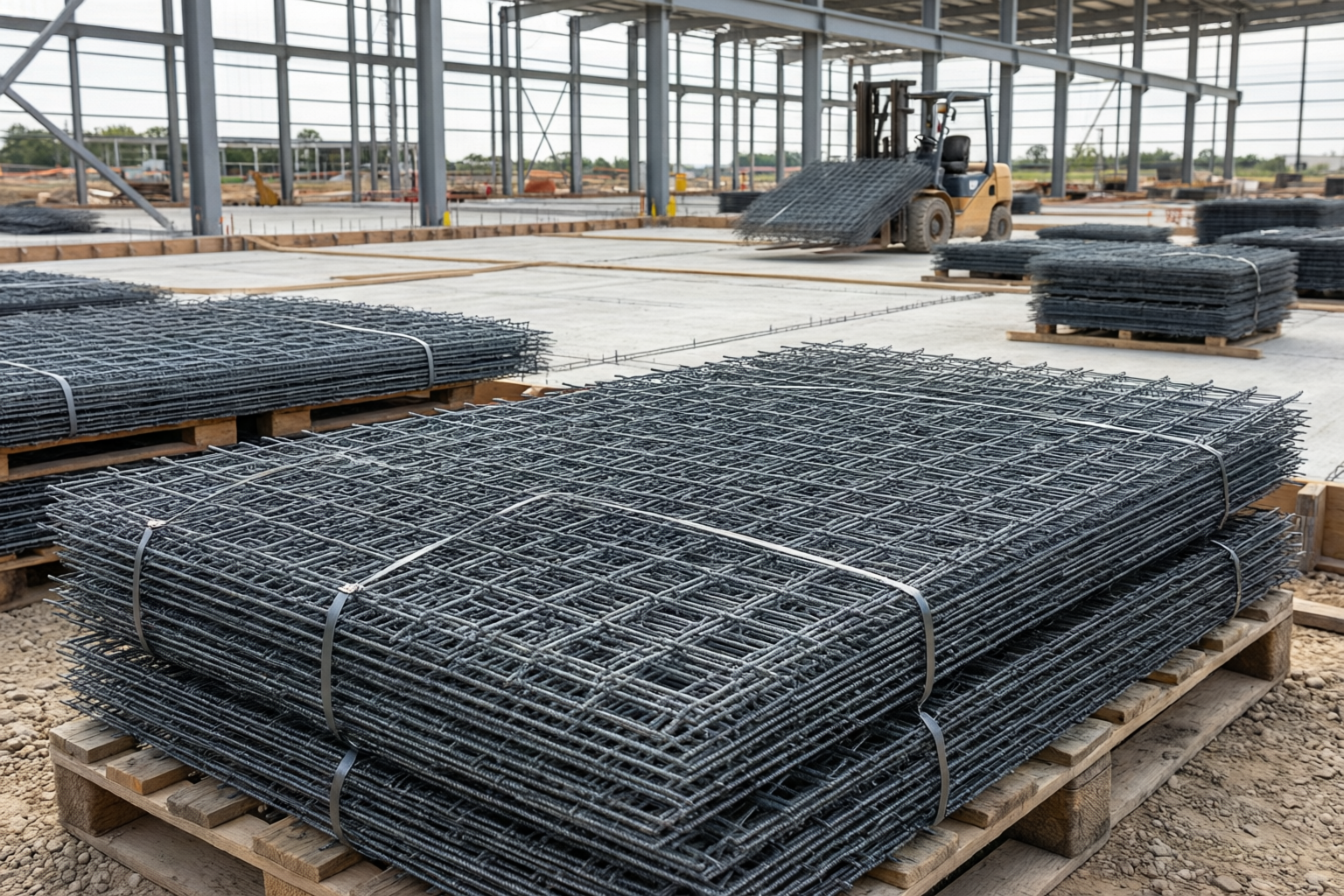
Magazijnvloer
Bulklevering van panelen voor grote vloerprojecten.
Inkoopbronnen voor betonstaalmatten
Vergelijk verwante matproducten en wapeningsnormen. Controleer vóór bestelling de normeditie en projecteisen.
Related pages
Veelgestelde vragen over betonstaalmatten
Vragen die kopers vaak stellen vóór de bestelling.
Vraag offerte voor betonstaalmatten
De paginaopbouw bevestigt het product, helpt de koper de specificatie kiezen en vraagt dan de offertegegevens uit.
Uw gegevens blijven privé. Wij antwoorden met een passende fabrieksofferte — geen spam.